In 2005-2006 the 173rd Airborne Brigade had first deployment to Afghanistan.
The 173rd Airborne Brigade authorized the modification of uniforms on Brigade level. Everyone had their Desert Combat Uniforms (DCU) modified by removing the existing pockets on uniform to upper sleeves. That way pockets would be accessible and useful while wearing a body armor. The DCU and BDU (Battle Dress Uniform or known as woodland) had a outdated design which have four pockets on uniform. Two on chest and two at bottom front, which was designed to be worn with old Load Bearing Equipment without body armor. Those pockets would’ve been covered by body armor, rendered them useless and inaccessible. Earlier that practice of modifying uniforms was typical for Special Operations Forces, then more and more regular army soldiers copied the idea and worn them only in field because it was not authorized or frowned upon by higher ranking traditionalists in the regular army. However, in 2005, the 173rd airborne brigade was one of few units that had finally authorized the modification on DCU for deployment.
Many of soldiers opted to purchase aftermarket tactical gear because chest rigs and enhanced rucksacks were favored over standard issue MOLLE II equipment. The popular privately purchased equipment was Tactical Tailor’s Modular Assault Vest (MAV) chest rig and Tactical Tailor’s Modified ALICE (MALICE) rucksack.
Also it was the period when Army had finally issued body armor and MOLLE equipment in desert camouflage in more wider scale. Since 2001 woodland camouflage body armor and equipment worn over desert uniform had been a familiar sight due to the lack of desert equipment at the time.


Image source: http://www.173rdairborne.net/AF-1.htm
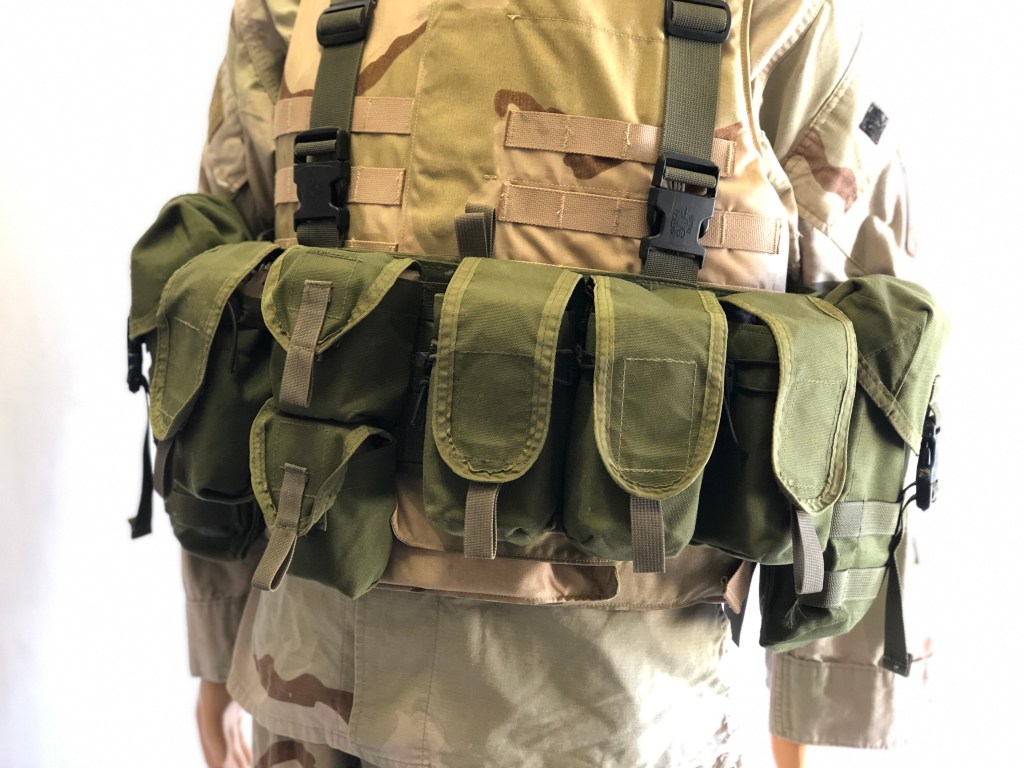
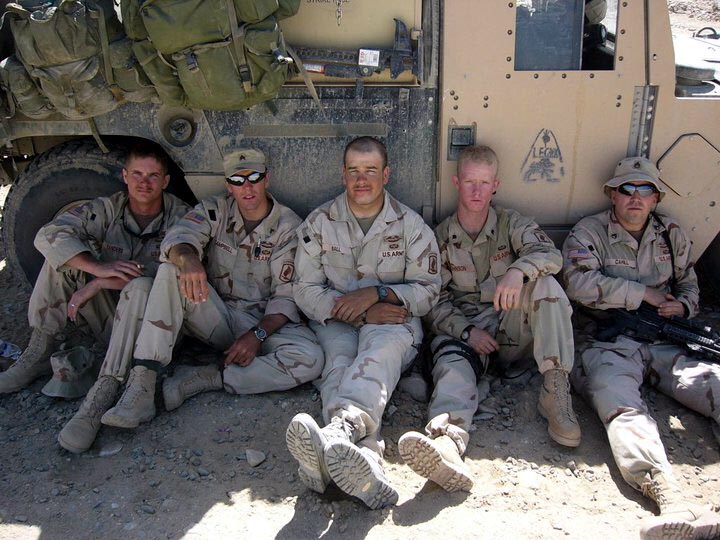
Image source: http://www.173rdairborne.net/AF-1.htm


Also note the hand drawn Red Cross on a pouch to indicate this pouch holds Individual First Aid Kit (IFAK).
 GWOT museum