
On second year of war in Afghanistan, US. Military launched Operation Anaconda, to squeeze and destroy the remaining Al Qaeda and Taliban fighters in Shahi-Kot Valley and Arma Mountains. The reconnaissance team consisted of Navy Seals and Air Force Combat Controllers were to seize the control of the ridge to establish the observation outpost above positions of Task Force Rakkasan (consisted of troops from the 101st airborne division and the 10th Mountain Division). From the vantage point, they would’ve been able to locate Al Qaeda forces and call in airstrikes. SEALs and STS airmen were transported on US. Army’s 160th SOAR’s Chinook helicopters code named Razor 3 and 4. Once arriving the ridge, Razor 3 began landing for insertion. It Turned out the ridge was already occupied and well fortified by Talibans and Al Qaeda. When ambushed Razor 3 aircrew made an evasive maneuver to get out, the helicopter jerked, a SEAL member, Neil C. Robert who was ready to get off helicopter, fell out of back ramp. Unable to turn around to rescue Neil, Razor 3 had leave the area and make emergency landing. The helicopter had to be abandoned due to damage it sustained from the ambush. Another Chinook, Razor 4, picked up the aircrew and team from Razor 3, brought them back to area, inserted the team below of ridge, away from enemy fire. The team had to scale the ridge to rescue Neil Robert’s. Meanwhile, 1st Battalion, 75th Ranger Regiment, along with few Air Force STS Air controllers and Pararescue Jumpers attaching were the mission’s QRF (Quick Reaction Force) standby at Bagram base. They flew in on Chinooks Razor 1 and Razor 2. Razor 1 with Rangers, reached the ridge, got struck by Rocket Propelled Grenade, it crashed down from 20’ in air. Rangers and STS members held their position and engaged enemies. Combat controller directed multiple close airstrikes, Pararescue Jumpers treated the wounded, while Rangers engaged in heavy firefight. Most of enemy forces on the ridge were eliminated. The troops got evacuated from the ridge. Seven were killed in action. Two Medals of Honor were awarded, USAF CCT Tech. Sergeant John Chapman (posthumously) and USN SEAL Master Chief Britt Slabinski. The ridge was eventually known as Robert’s Ridge, to honor the first KIA of the battle.
Air Force Combat Controller Tech. Sgt John A. Chapman
Air Force Pararescueman Senior Airman Jason D. Cunningham
160th Special Operations Aviation Regiment (SOAR) Sergeant Philip “Spytech” Svitak
Ranger Corporal Matthew A. Commons
Ranger Sergeant Bradley S. Crose
Ranger Specialist Marc A. Anderson
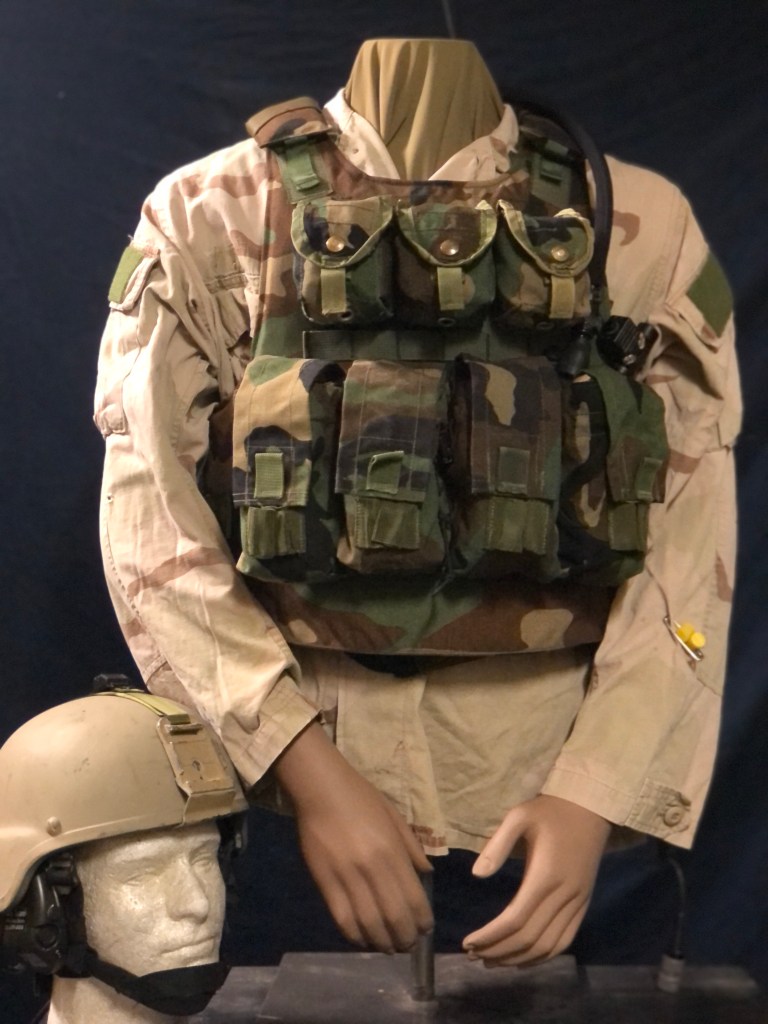
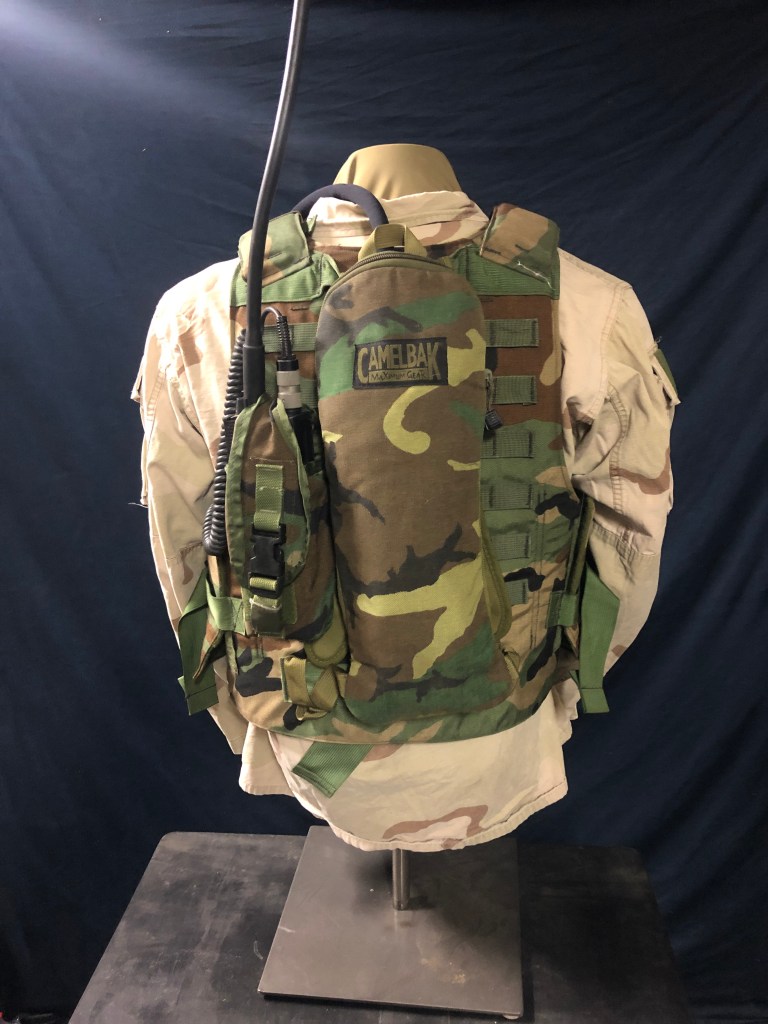
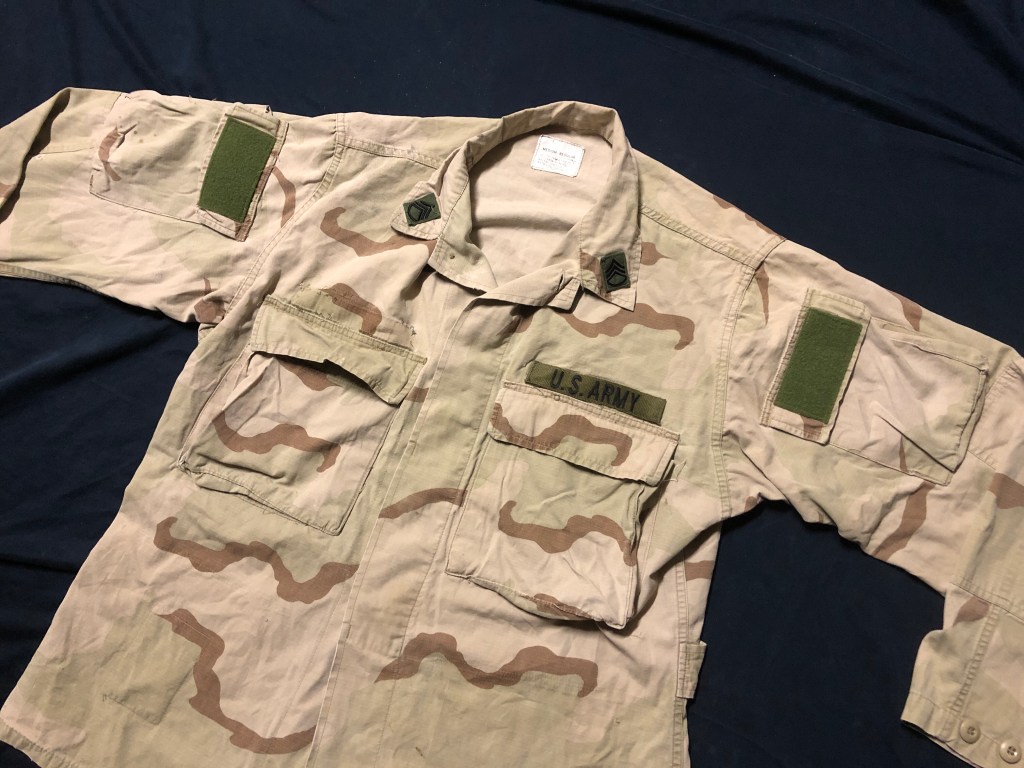
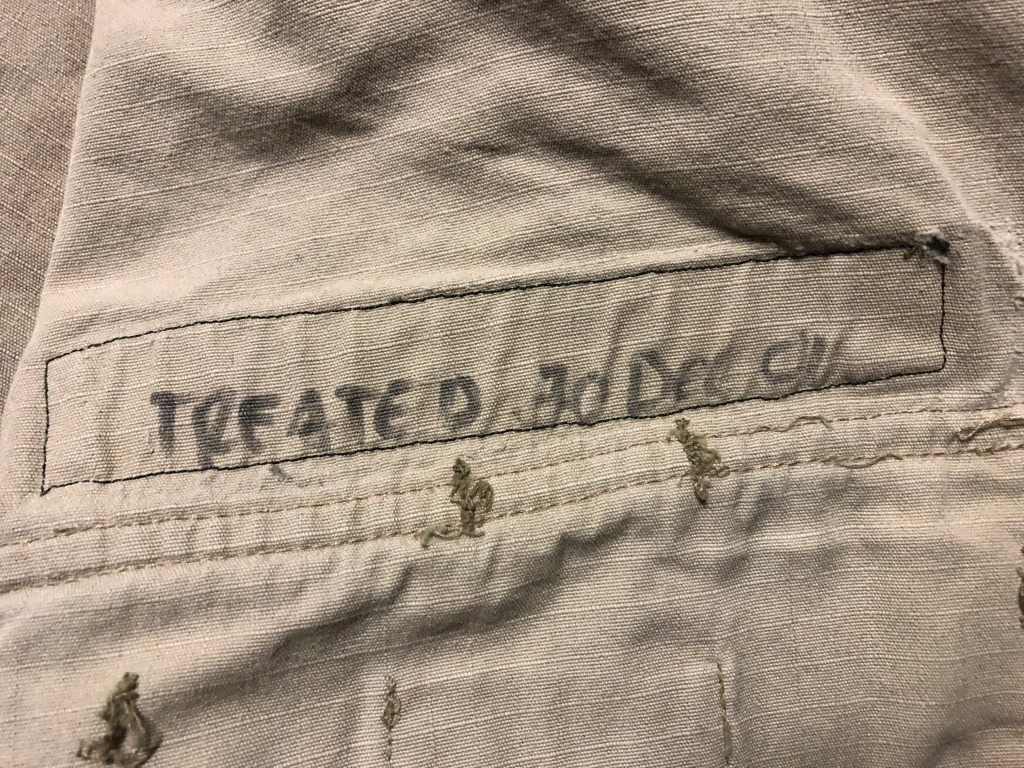
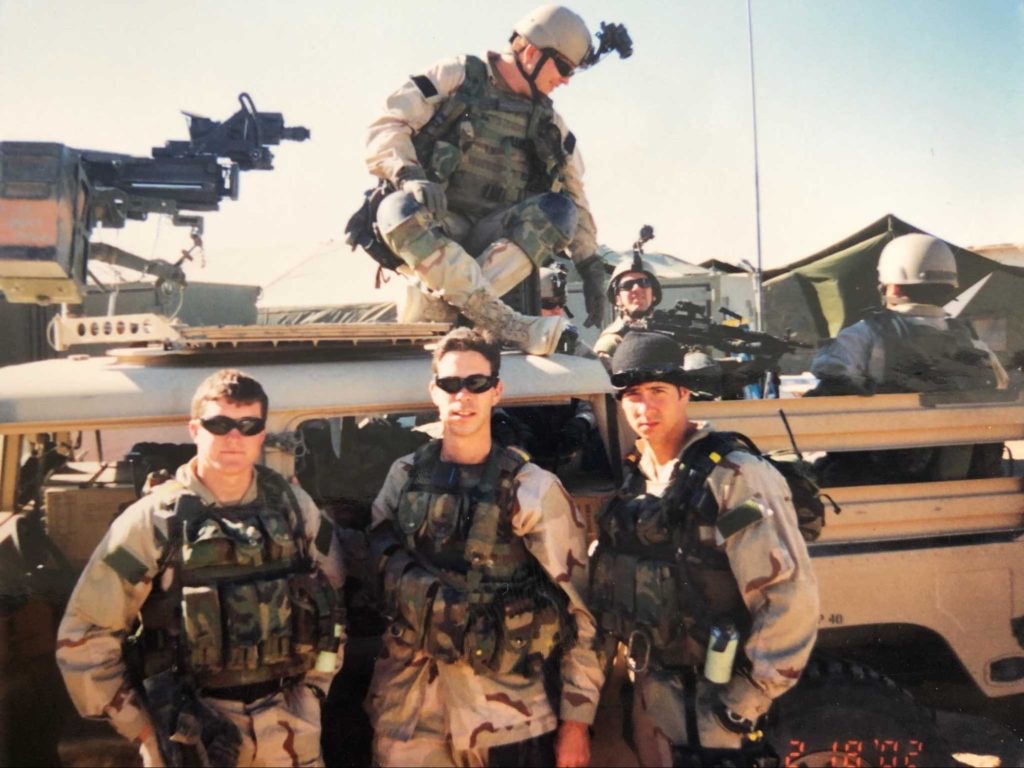
Here are the uniform and equipment as used by Rangers during the battle. The Desert Combat Uniform is modified by moving lower pockets to sleeves with OD green velcro added. This is the earliest modification used by 1/75 Rangers before the standardized modified DCU adopted regiment-wide. The body armor is made by Cerdayne. The pouches are from early MOLLE II and RACK kits, mounted directly on the body armor. Rear of body armor has hydro-bladder and radio pouch mounted directly. The helmet is CGF Gallet, originally issued to Special Operations Forces exclusively. The helmet is paired with comm headset, MSA Sordin.

 GWOT museum