
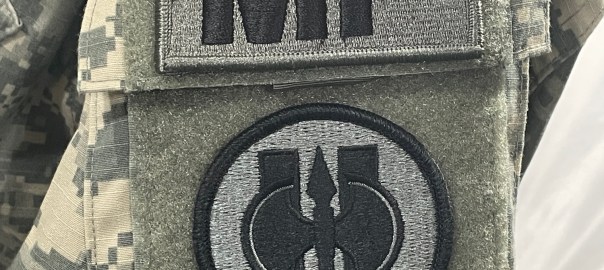
Joint Task Force Guantánamo (JTF-GTMO) operates at the U.S. military installation known as Guantanamo Bay Naval Base, located on the southeastern coast of Cuba. The United States operates the base under a long-standing lease agreement with Cuba that allows the U.S. military to maintain and administer the installation.
Following the terrorist attacks of September 11, 2001, the United States government selected Guantanamo Bay as a detention site for individuals captured during counterterrorism operations abroad. Beginning in early 2002, detainees associated with al-Qaeda who were captured during military operations in Afghanistan were transferred to newly established detention facilities at the base. Additional detainees captured in later operations, including during the conflict in Iraq, were also held there.
Guantanamo Bay was chosen in part because the United States already maintained a secure and isolated military installation at the site. Its location outside the U.S. mainland provided a controlled environment for detention operations while avoiding the political and security concerns associated with housing suspected terrorists within the territories of the United States or allied nations. As a result, the base became the central location for detaining certain individuals captured in overseas counterterrorism operations.
357th Military Police Company’s deployment 2013-2014
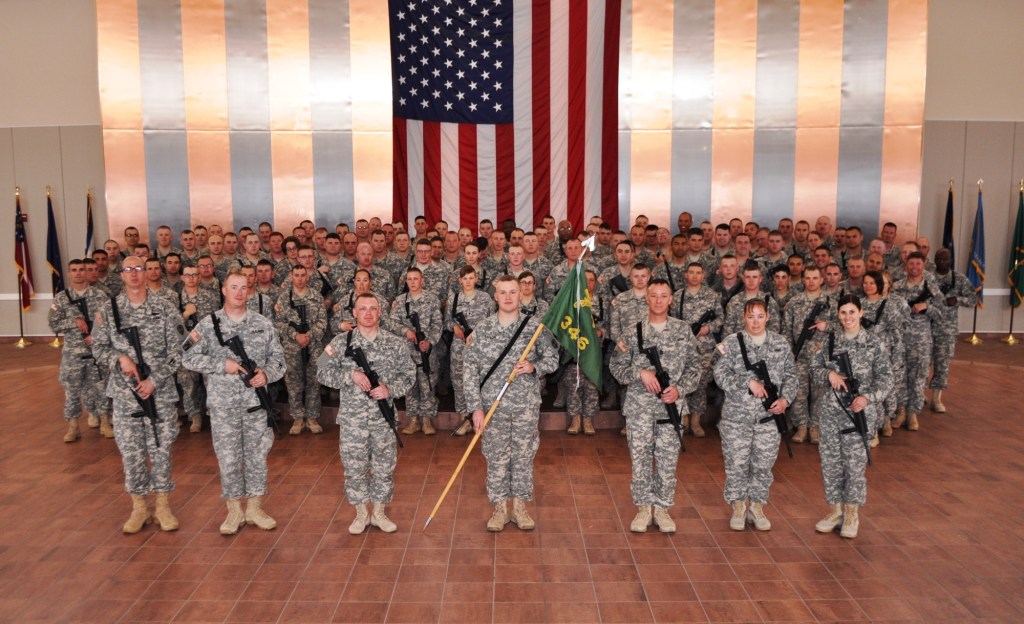
During 2013–2014, the 357th Military Police Company, a U.S. Army Reserve unit based in Concord, California, deployed to support detention operations with Joint Task Force Guantánamo at Guantanamo Bay Naval Base in Cuba. While assigned to the Joint Detention Group, the company assisted in the day-to-day management and security of the detention facilities housing individuals captured during overseas counterterrorism operations. Soldiers from the unit performed typical military police duties within the detention environment, including supervising detainee housing areas, escorting detainees during movements within the facility, and maintaining overall security and accountability. The deployment concluded in early 2014, when the unit transferred authority to the 346th Military Police Company and returned to the United States after completing its mission.
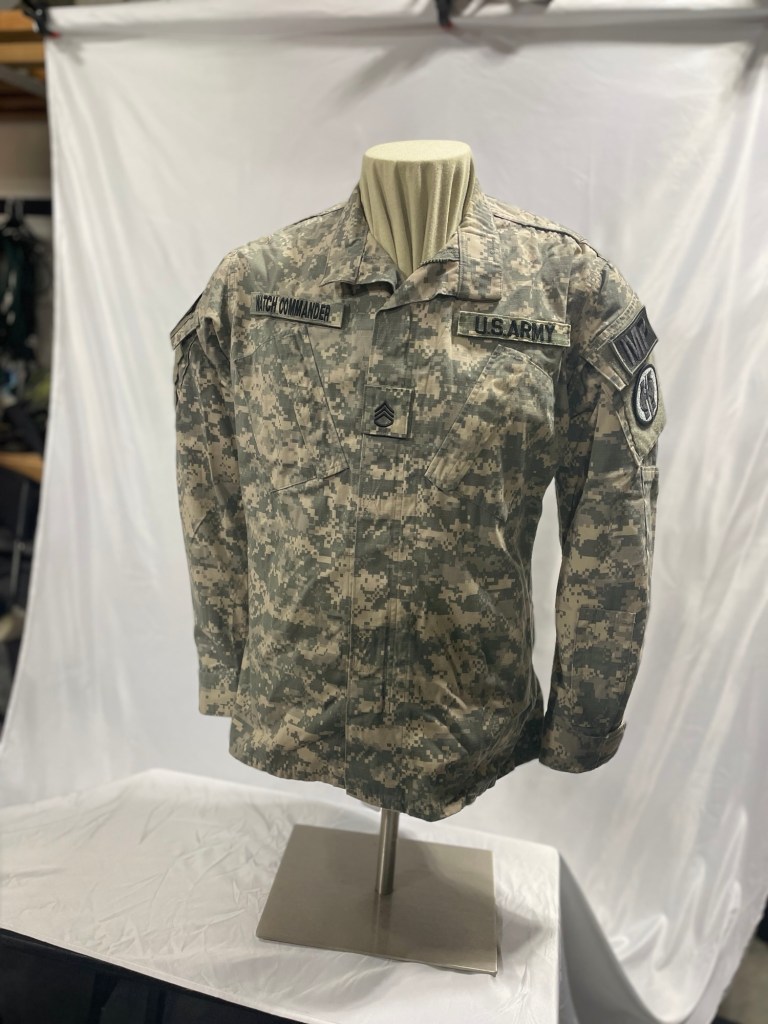
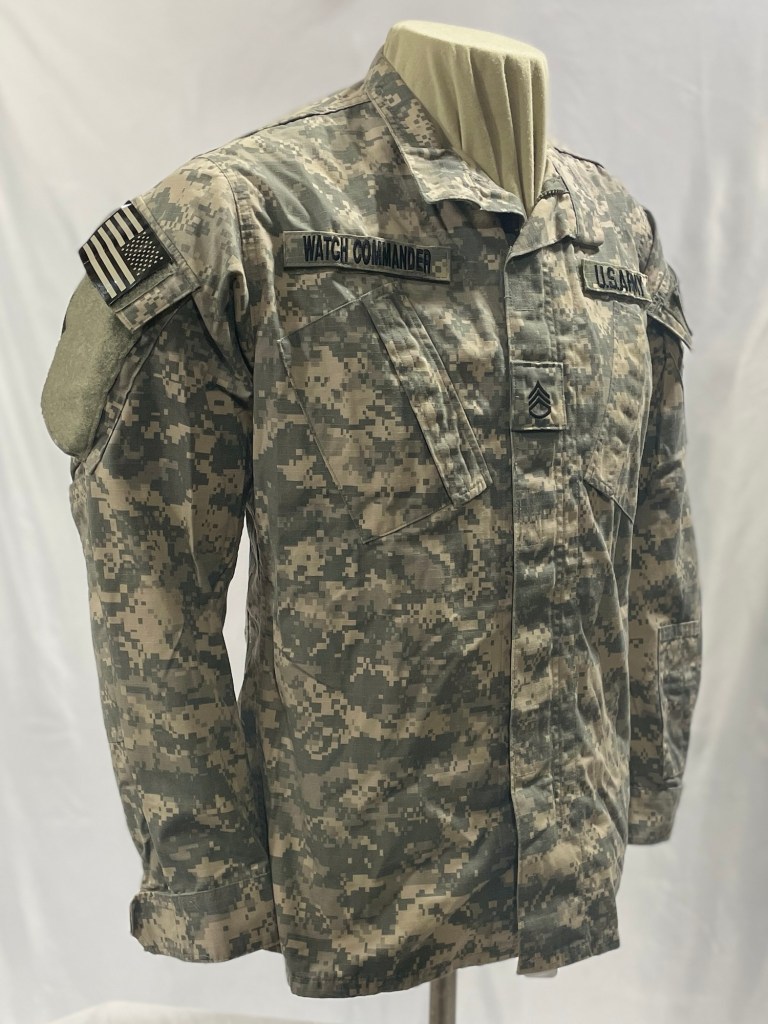
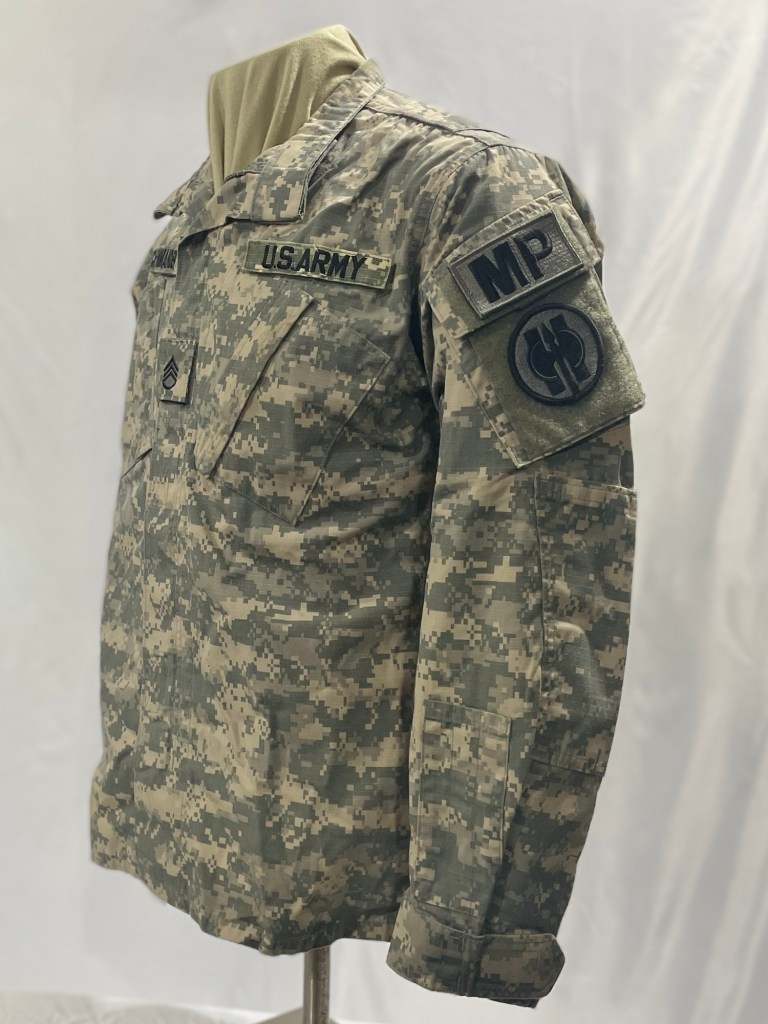
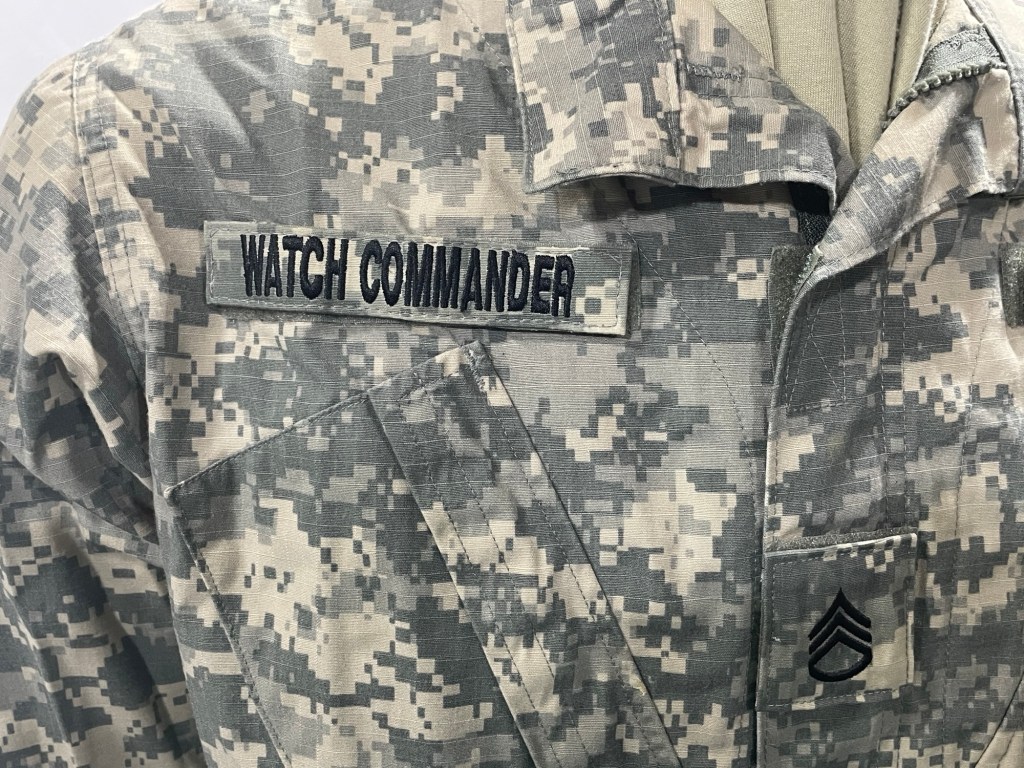
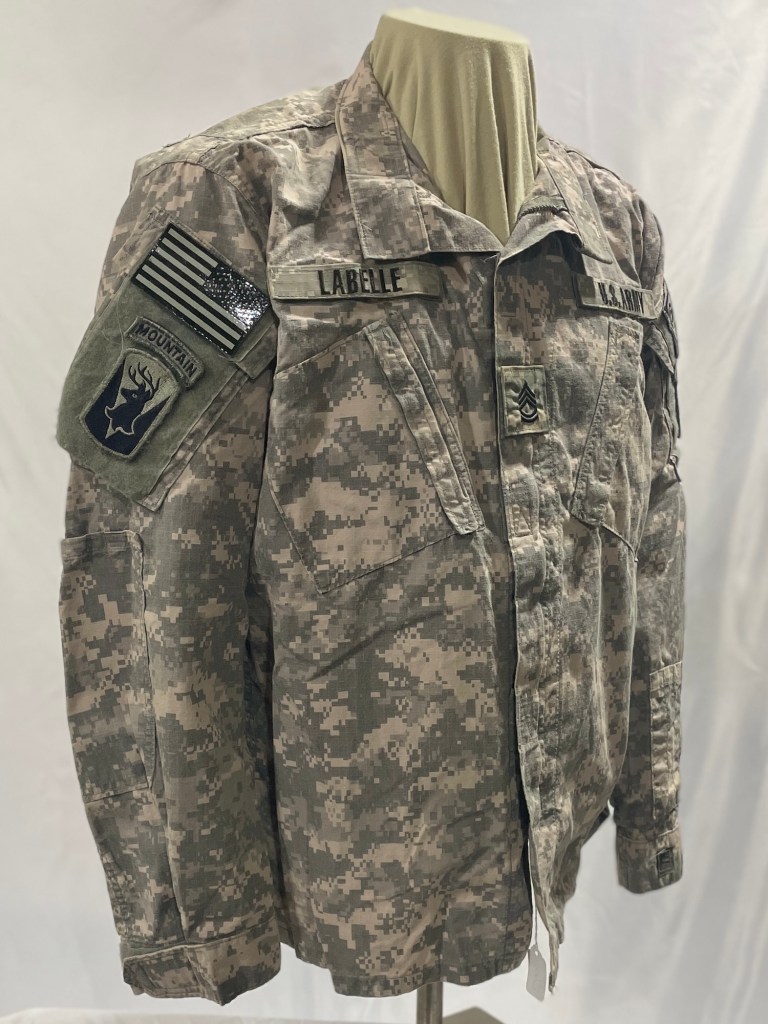
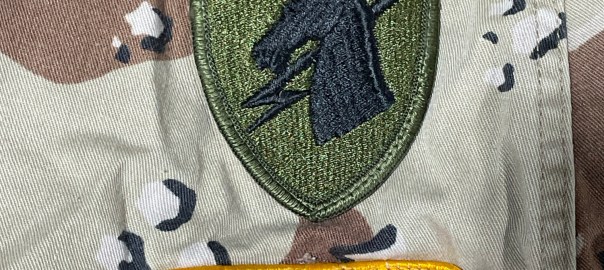
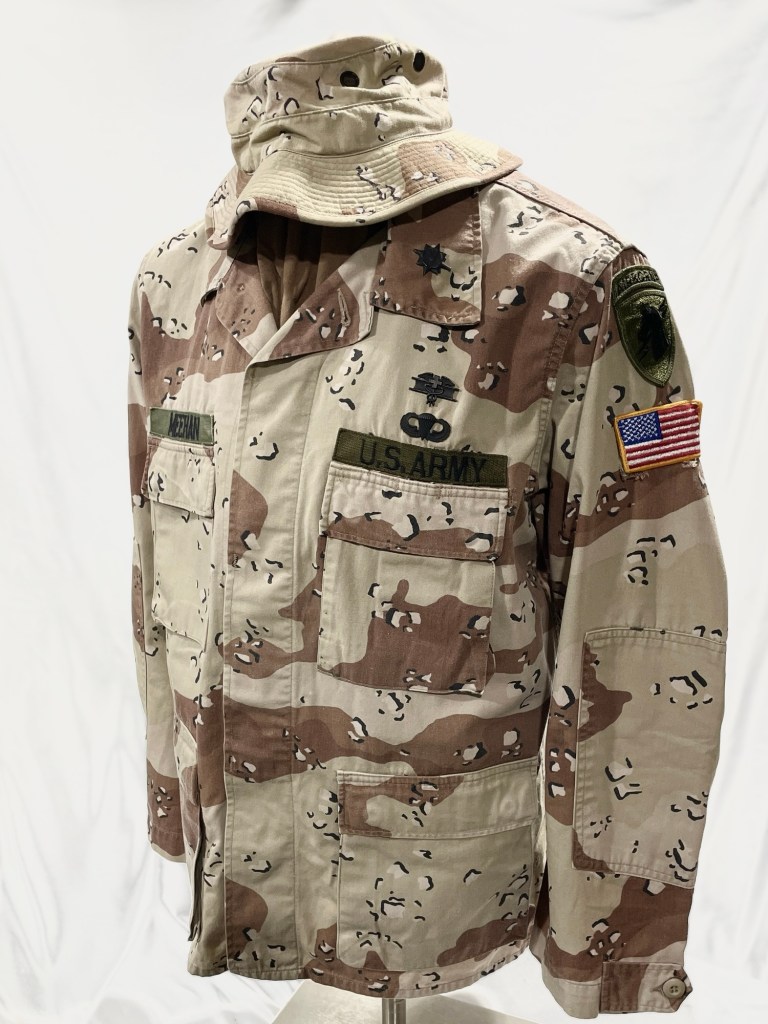
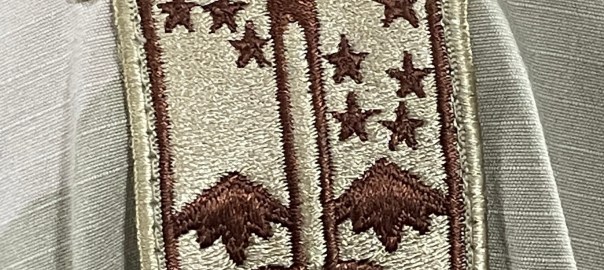
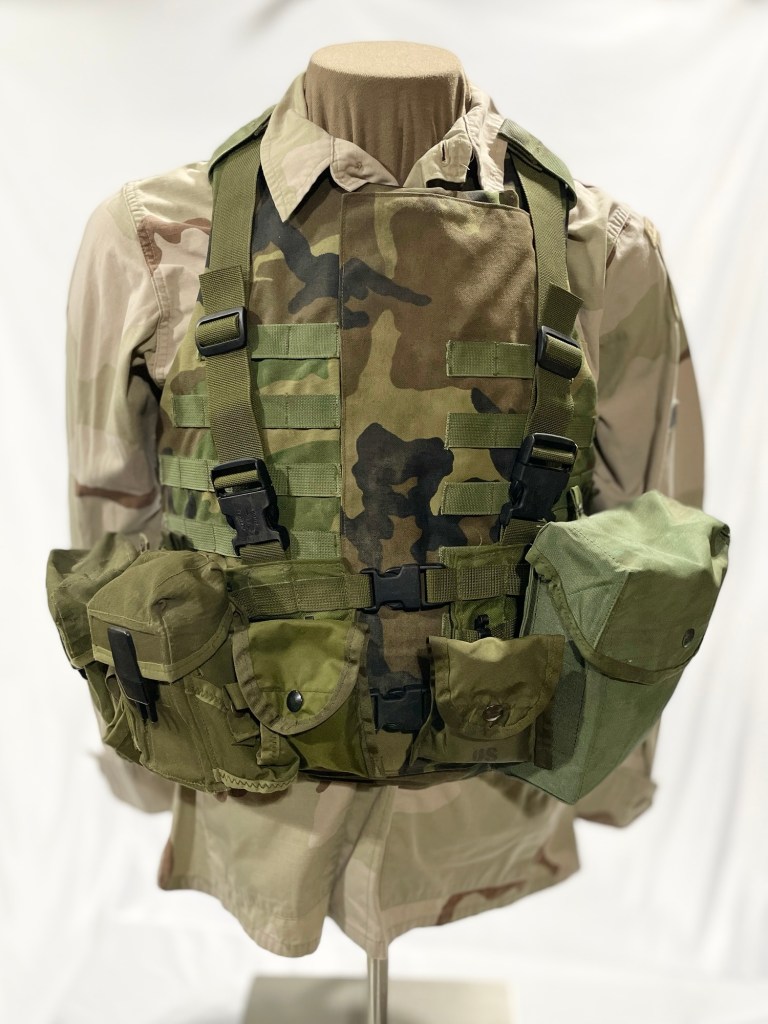
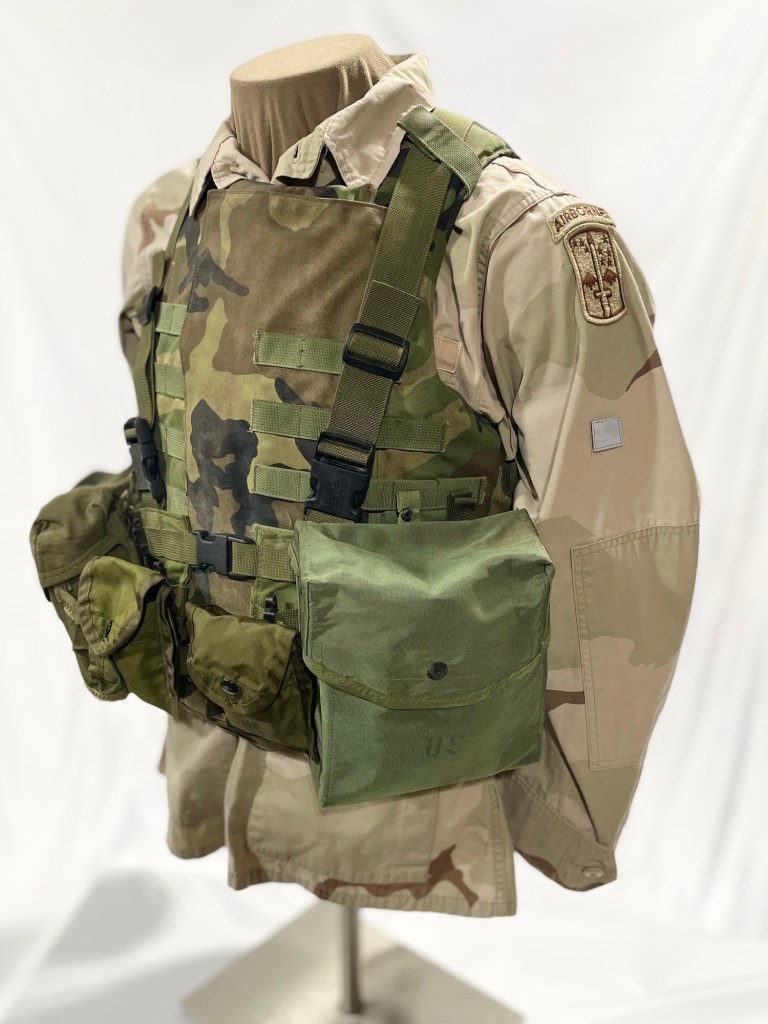
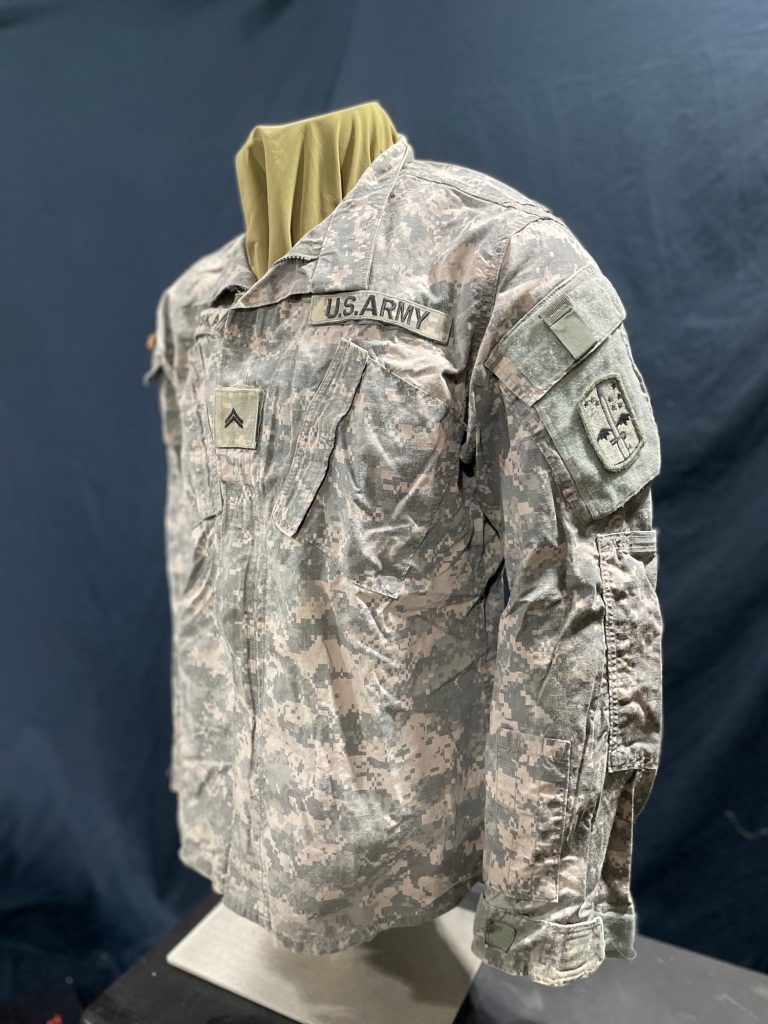
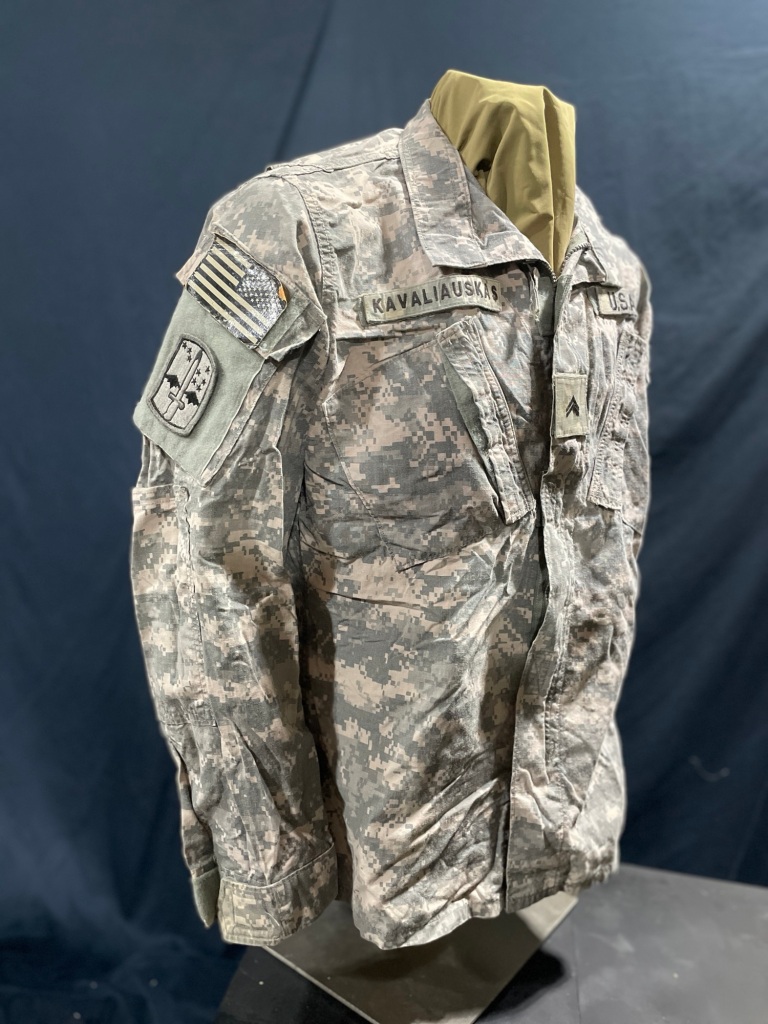
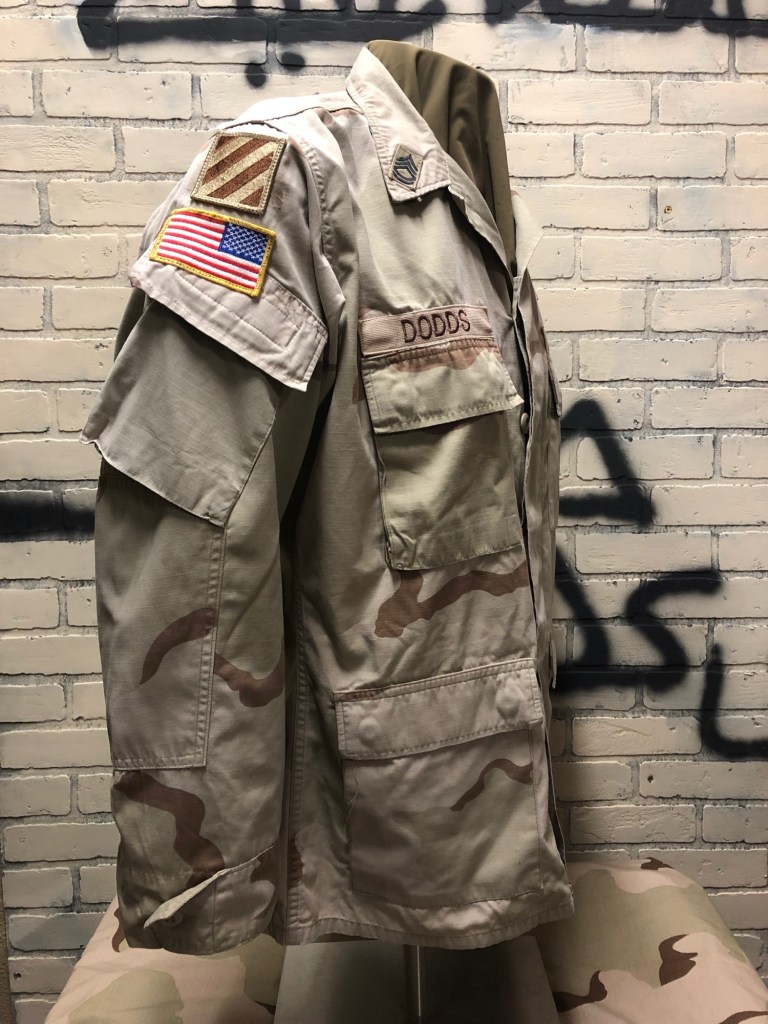
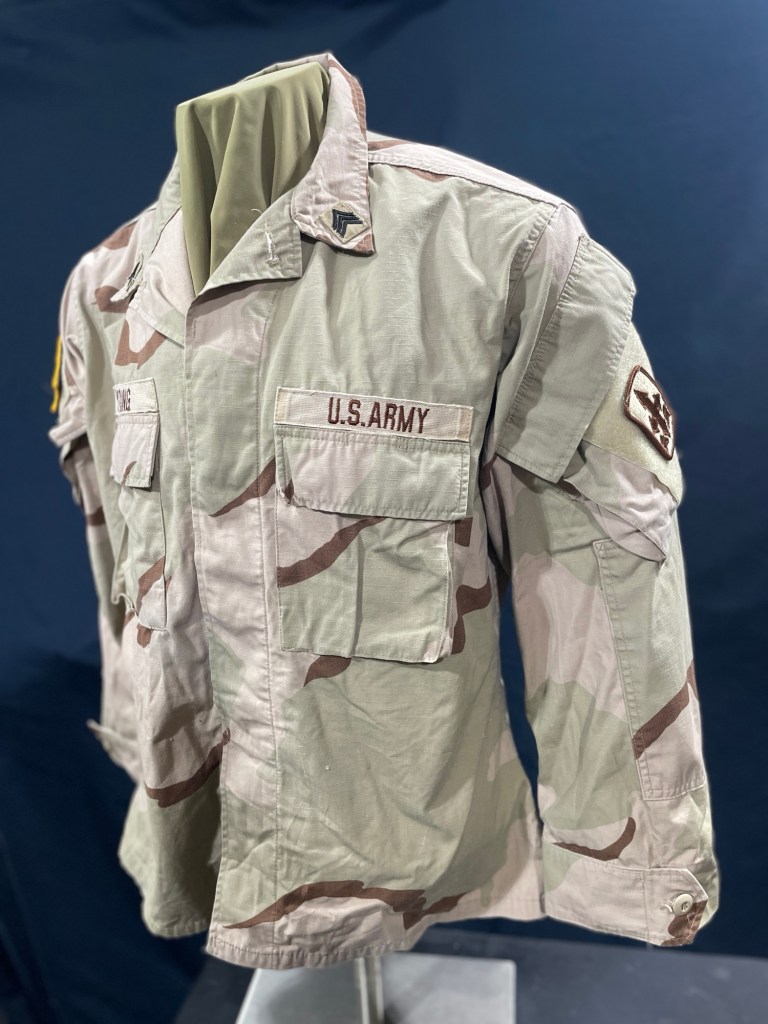
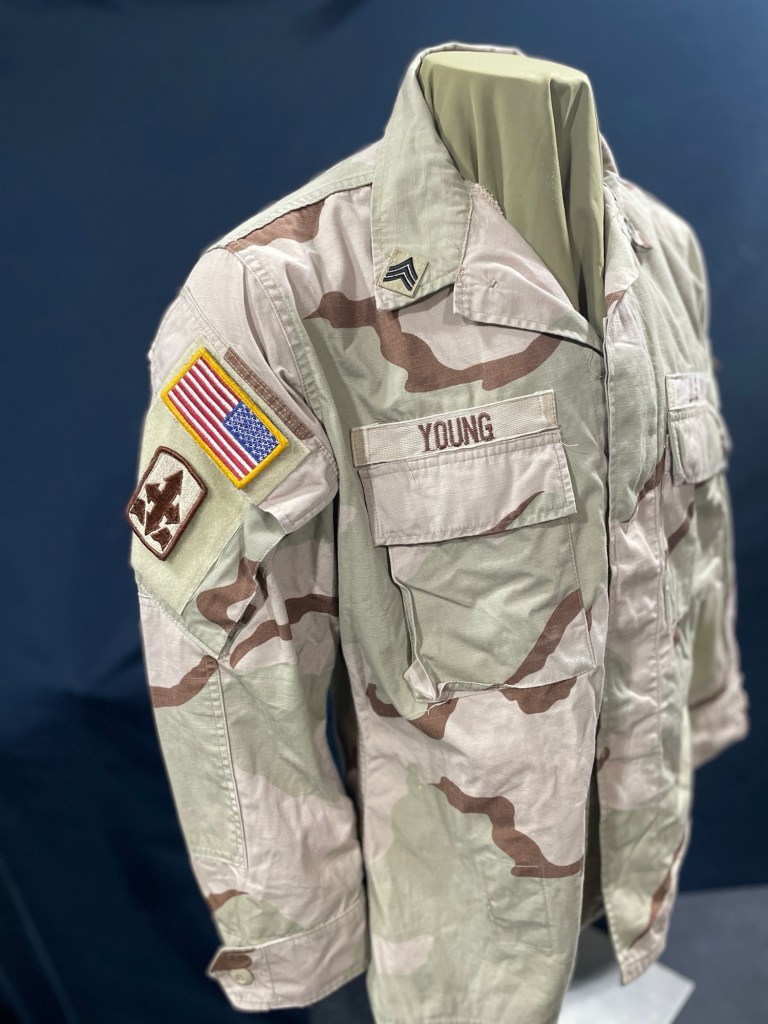
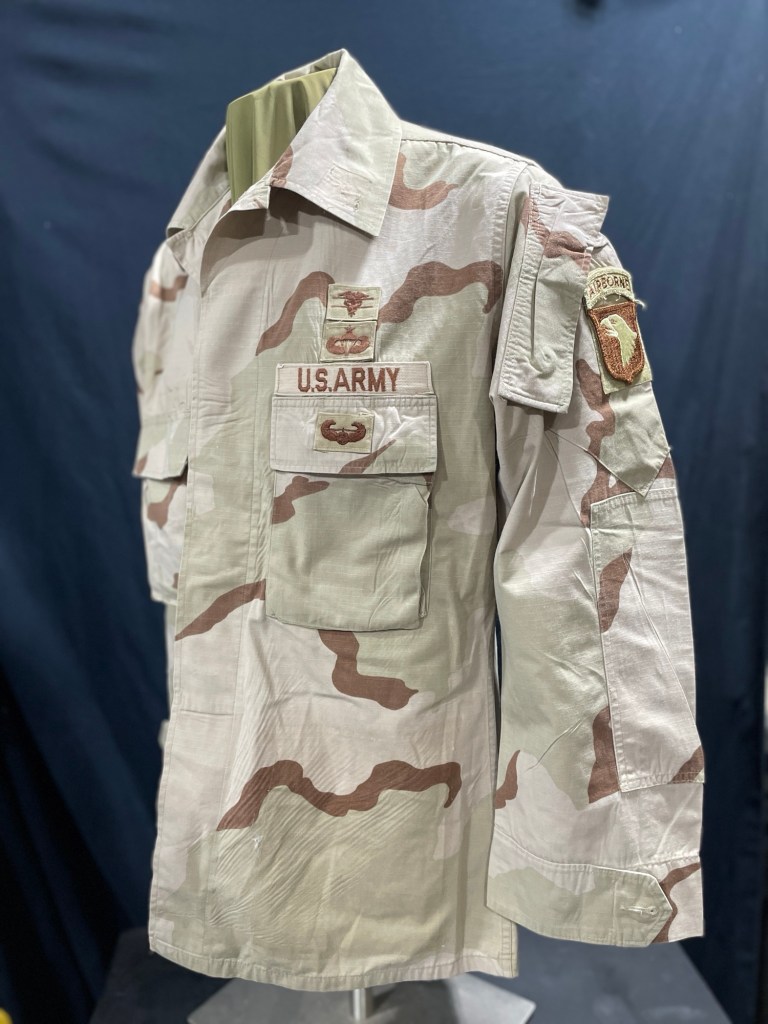
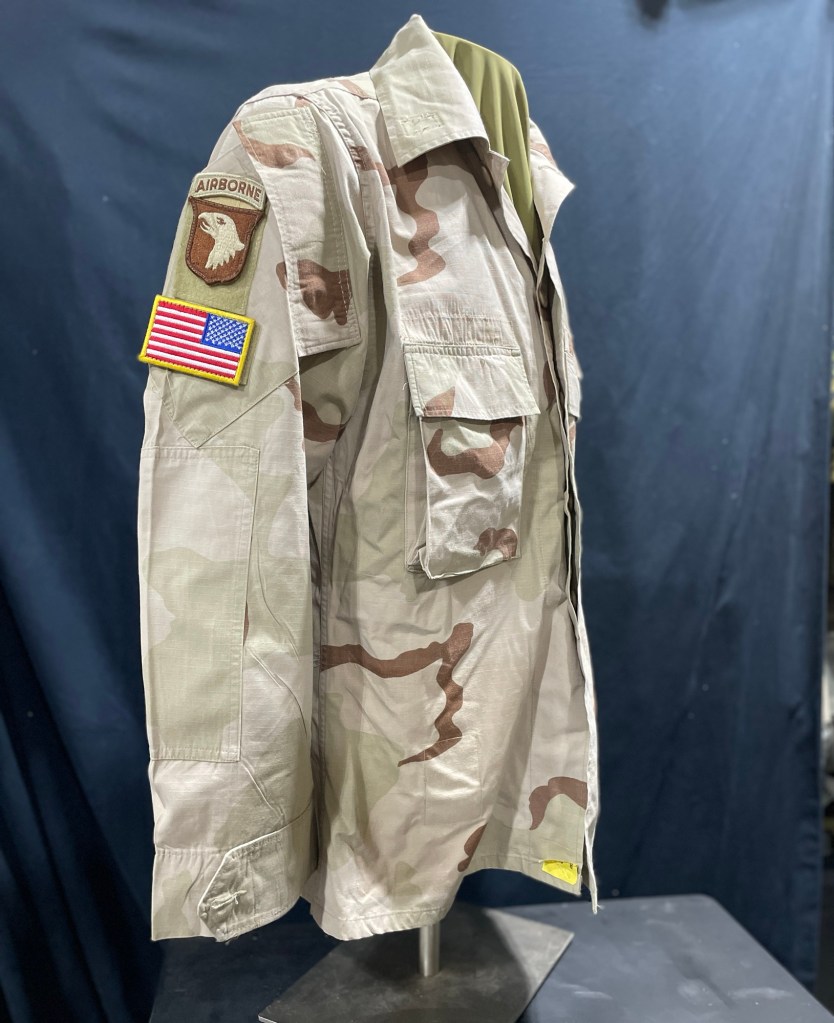
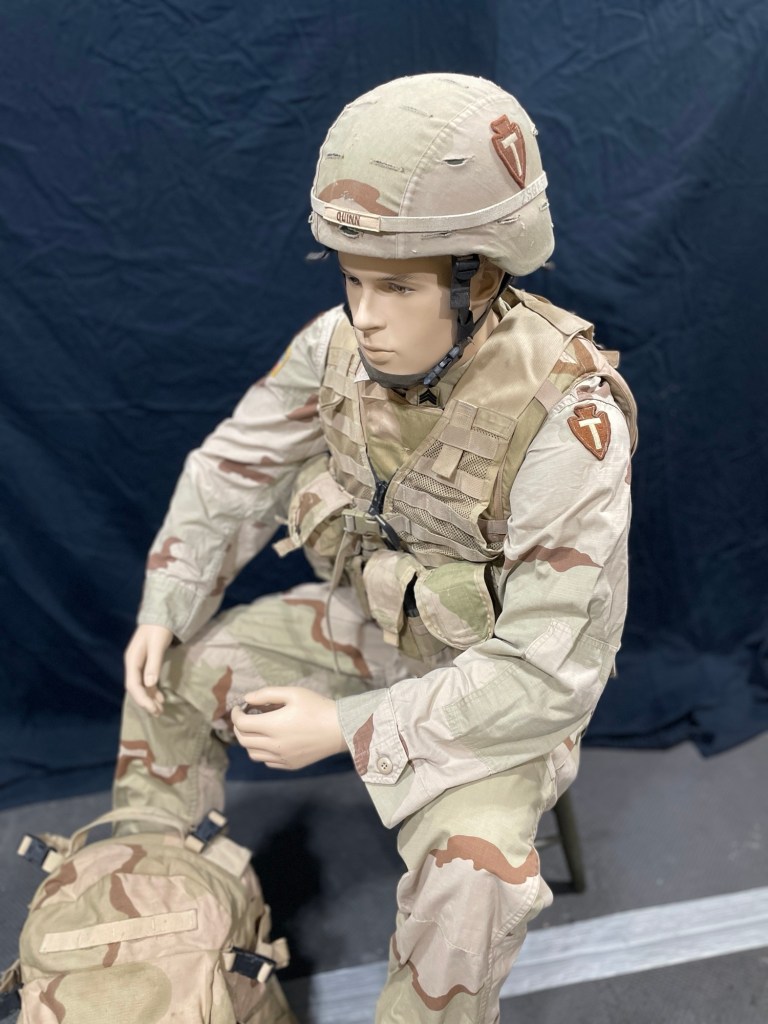
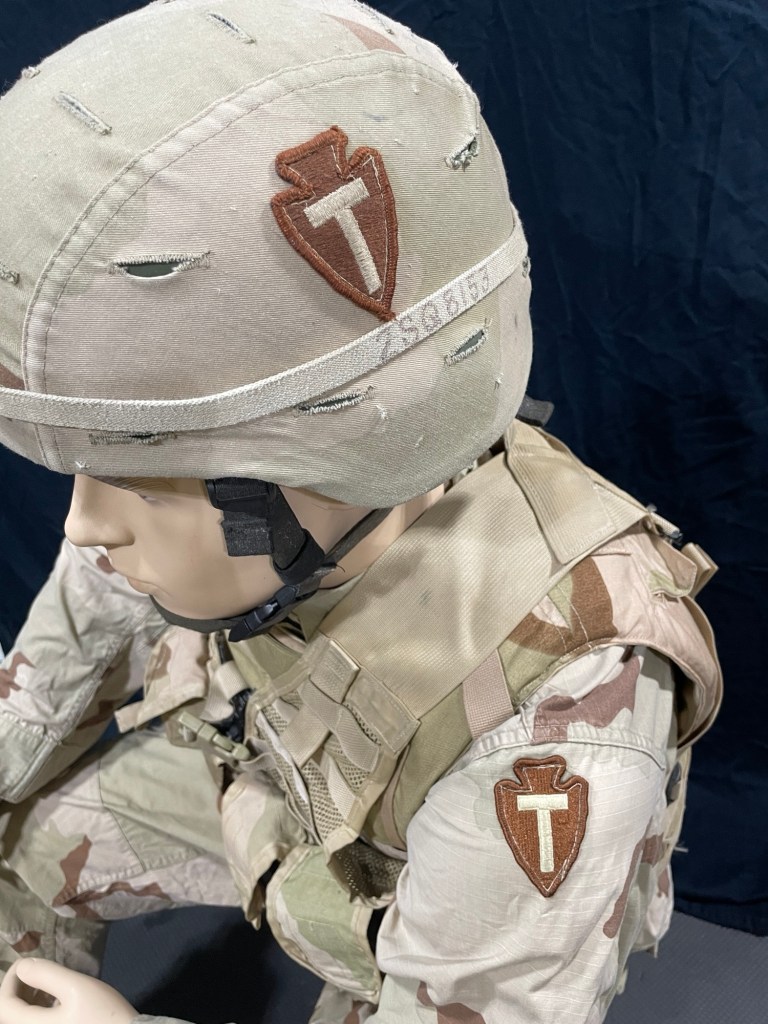
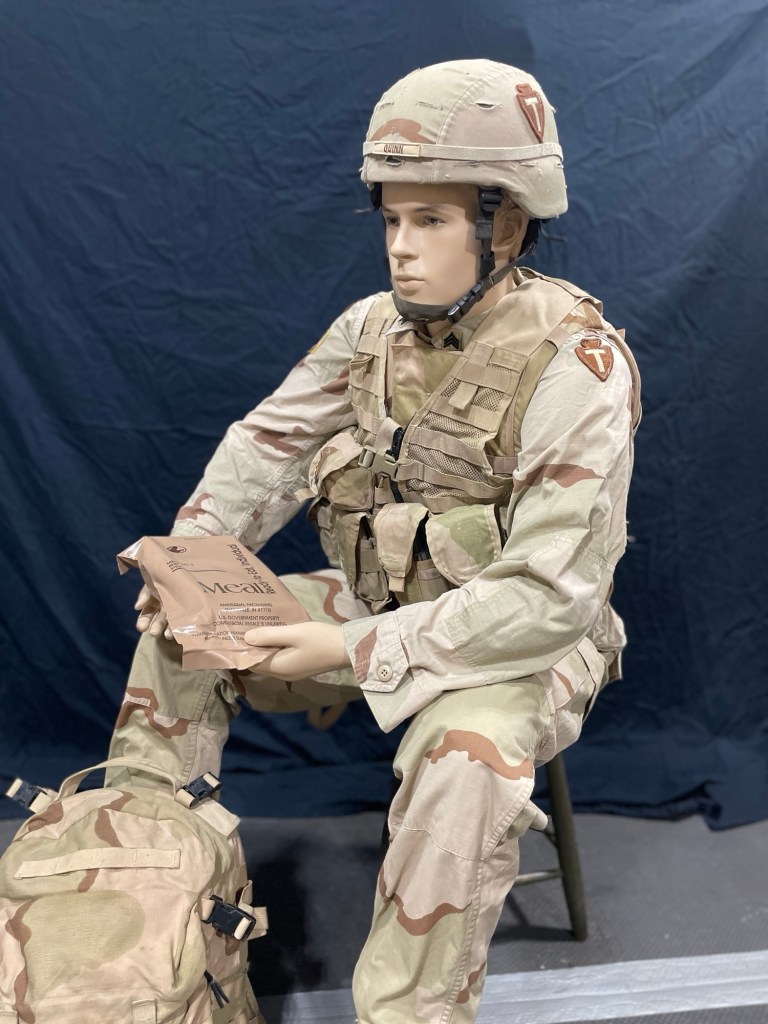
Here is one of the uniforms worn during this mission. The Army Combat Uniform (ACU) worn by a Staff Sergeant (He requested anonymity) from the 357th Military Police Company during the unit’s 2013–2014 deployment to Joint Task Force Guantánamo at Guantanamo Bay Naval Base. The noncommissioned officer served as a Watch Commander, supervising guards assigned to Camp V and overseeing the daily security operations of the detention facility. For operational security (OPSEC), personnel assigned to detention duties typically did not wear their personal name tapes on their uniforms. Instead, this Staff Sergeant wore a tape labeled “Watch Commander,” while junior enlisted guards often wore identification numbers rather than names. The uniform displays the Shoulder Sleeve Insignia of the 11th Military Police Brigade, the brigade headquarters under which the 346th Military Police Company served during the mission. Although the deployment supported the broader counterterrorism mission associated with Operation Enduring Freedom, service members assigned to Guantánamo Bay did not qualify for the Shoulder Sleeve Insignia–Former Wartime Service (commonly known as a combat patch). However, personnel deployed to the installation were typically eligible for the Global War on Terrorism Expeditionary Medal and received hostile fire or imminent danger pay during their deployment.
This post is sponsored by LaFave Glass Company. https://lafaveglass.com
U.S. Navy
Coming soon.








 GWOT museum