Category Archives: 75th Ranger Regiment

Battle of Takur Ghar, March 4, 2002

On second year of war in Afghanistan, US. Military launched Operation Anaconda, to squeeze and destroy the remaining Al Qaeda and Taliban fighters in Shahi-Kot Valley and Arma Mountains. The reconnaissance team consisted of Navy Seals and Air Force Combat Controllers were to seize the control of the ridge to establish the observation outpost above positions of Task Force Rakkasan (consisted of troops from the 101st airborne division and the 10th Mountain Division). From the vantage point, they would’ve been able to locate Al Qaeda forces and call in airstrikes. SEALs and STS airmen were transported on US. Army’s 160th SOAR’s Chinook helicopters code named Razor 3 and 4. Once arriving the ridge, Razor 3 began landing for insertion. It Turned out the ridge was already occupied and well fortified by Talibans and Al Qaeda. When ambushed Razor 3 aircrew made an evasive maneuver to get out, the helicopter jerked, a SEAL member, Neil C. Robert who was ready to get off helicopter, fell out of back ramp. Unable to turn around to rescue Neil, Razor 3 had leave the area and make emergency landing. The helicopter had to be abandoned due to damage it sustained from the ambush. Another Chinook, Razor 4, picked up the aircrew and team from Razor 3, brought them back to area, inserted the team below of ridge, away from enemy fire. The team had to scale the ridge to rescue Neil Robert’s. Meanwhile, 1st Battalion, 75th Ranger Regiment, along with few Air Force STS Air controllers and Pararescue Jumpers attaching were the mission’s QRF (Quick Reaction Force) standby at Bagram base. They flew in on Chinooks Razor 1 and Razor 2. Razor 1 with Rangers, reached the ridge, got struck by Rocket Propelled Grenade, it crashed down from 20’ in air. Rangers and STS members held their position and engaged enemies. Combat controller directed multiple close airstrikes, Pararescue Jumpers treated the wounded, while Rangers engaged in heavy firefight. Most of enemy forces on the ridge were eliminated. The troops got evacuated from the ridge. Seven were killed in action. Two Medals of Honor were awarded, USAF CCT Tech. Sergeant John Chapman (posthumously) and USN SEAL Master Chief Britt Slabinski. The ridge was eventually known as Robert’s Ridge, to honor the first KIA of the battle.

Air Force Combat Controller Tech. Sgt John A. Chapman

Air Force Pararescueman Senior Airman Jason D. Cunningham

160th Special Operations Aviation Regiment (SOAR) Sergeant Philip “Spytech” Svitak

Ranger Corporal Matthew A. Commons

Ranger Sergeant Bradley S. Crose

Ranger Specialist Marc A. Anderson

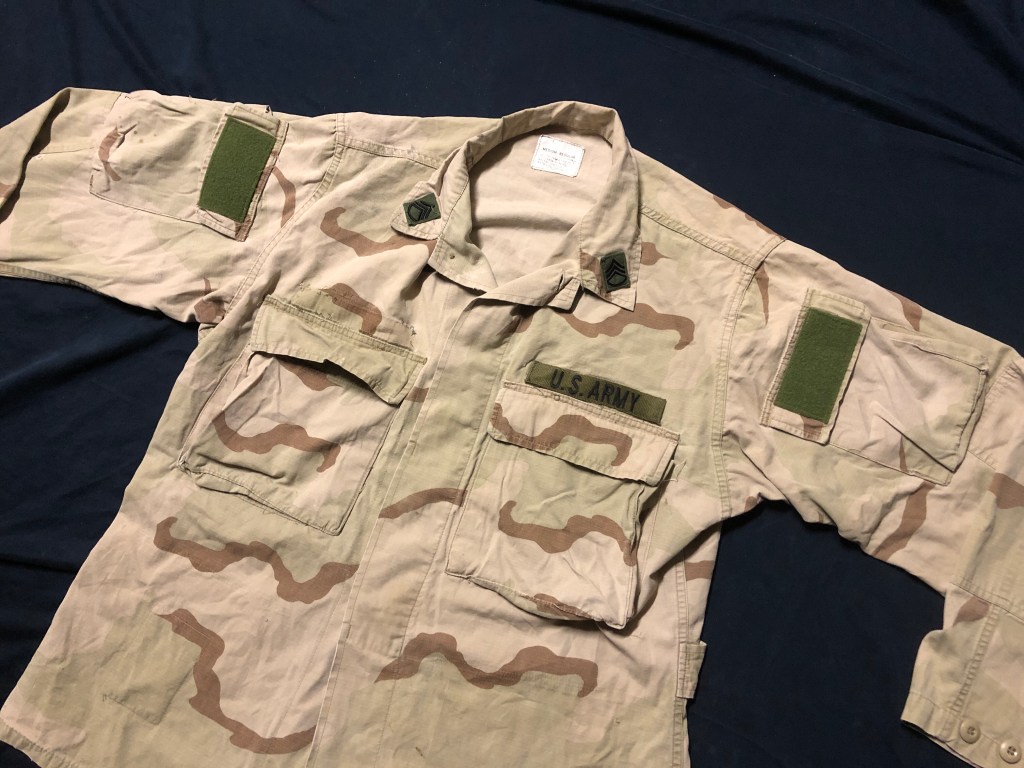
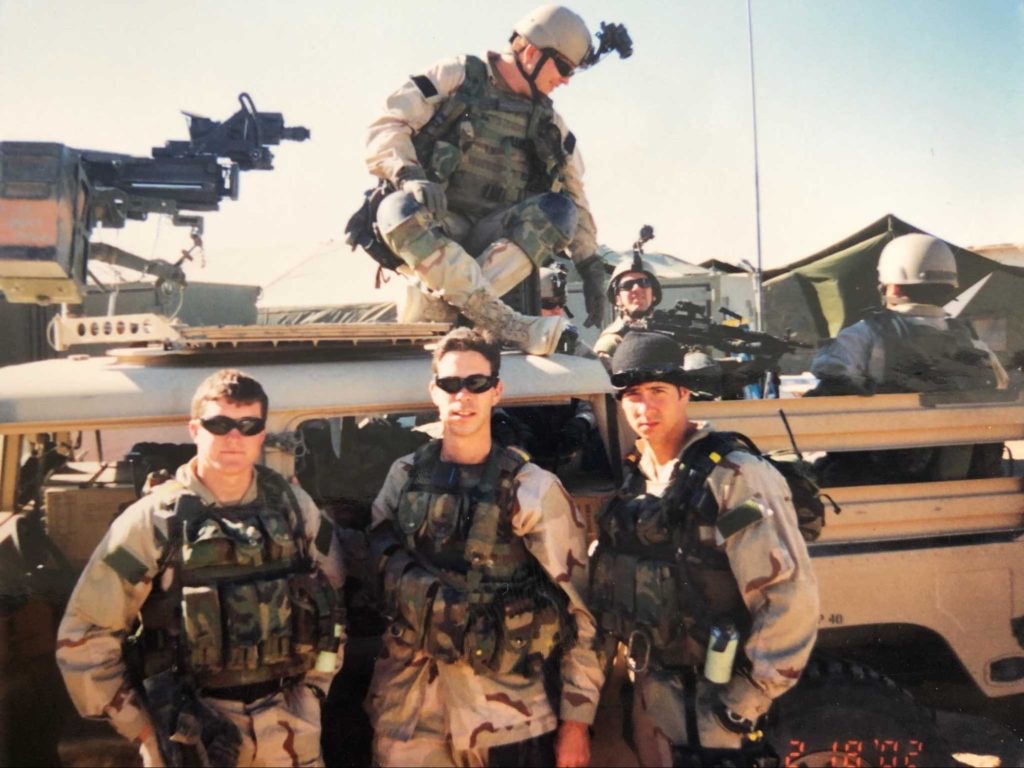
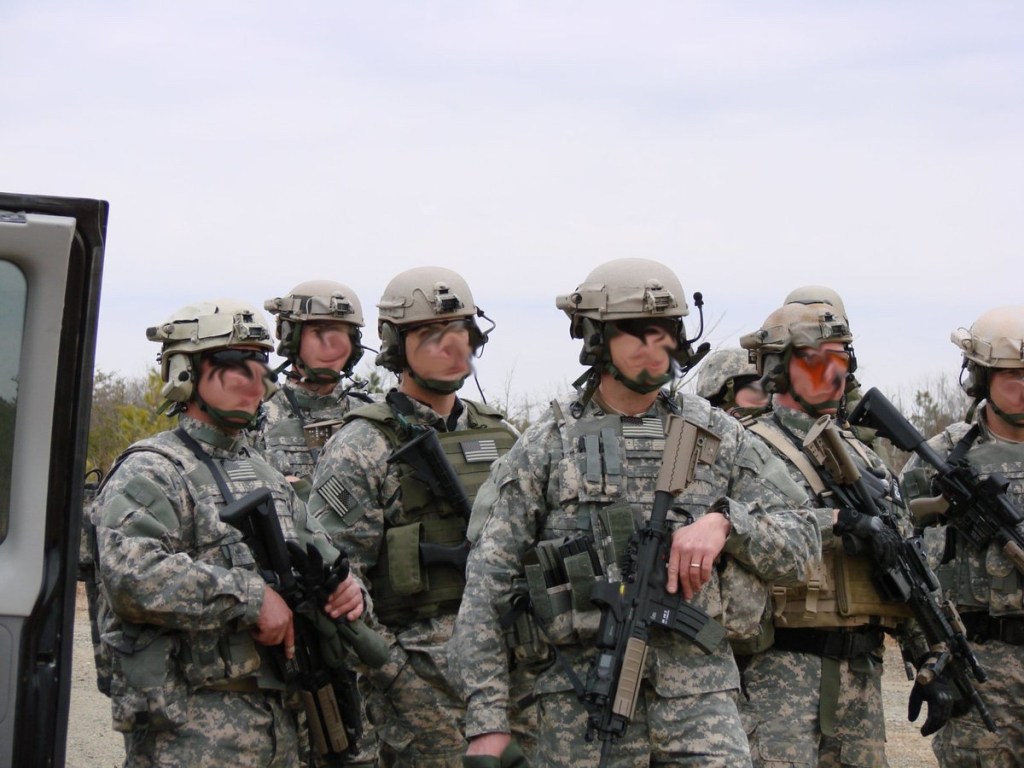
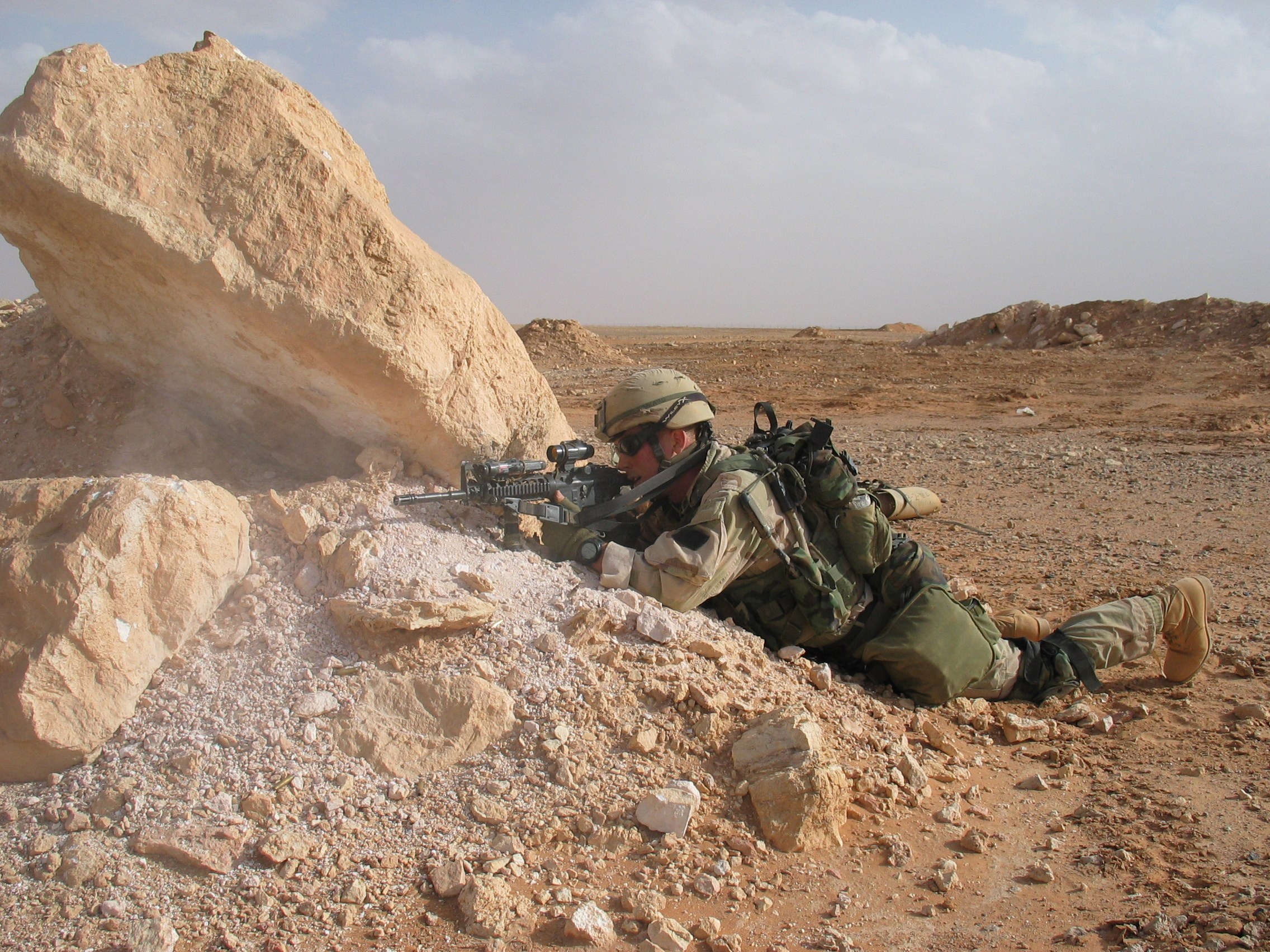
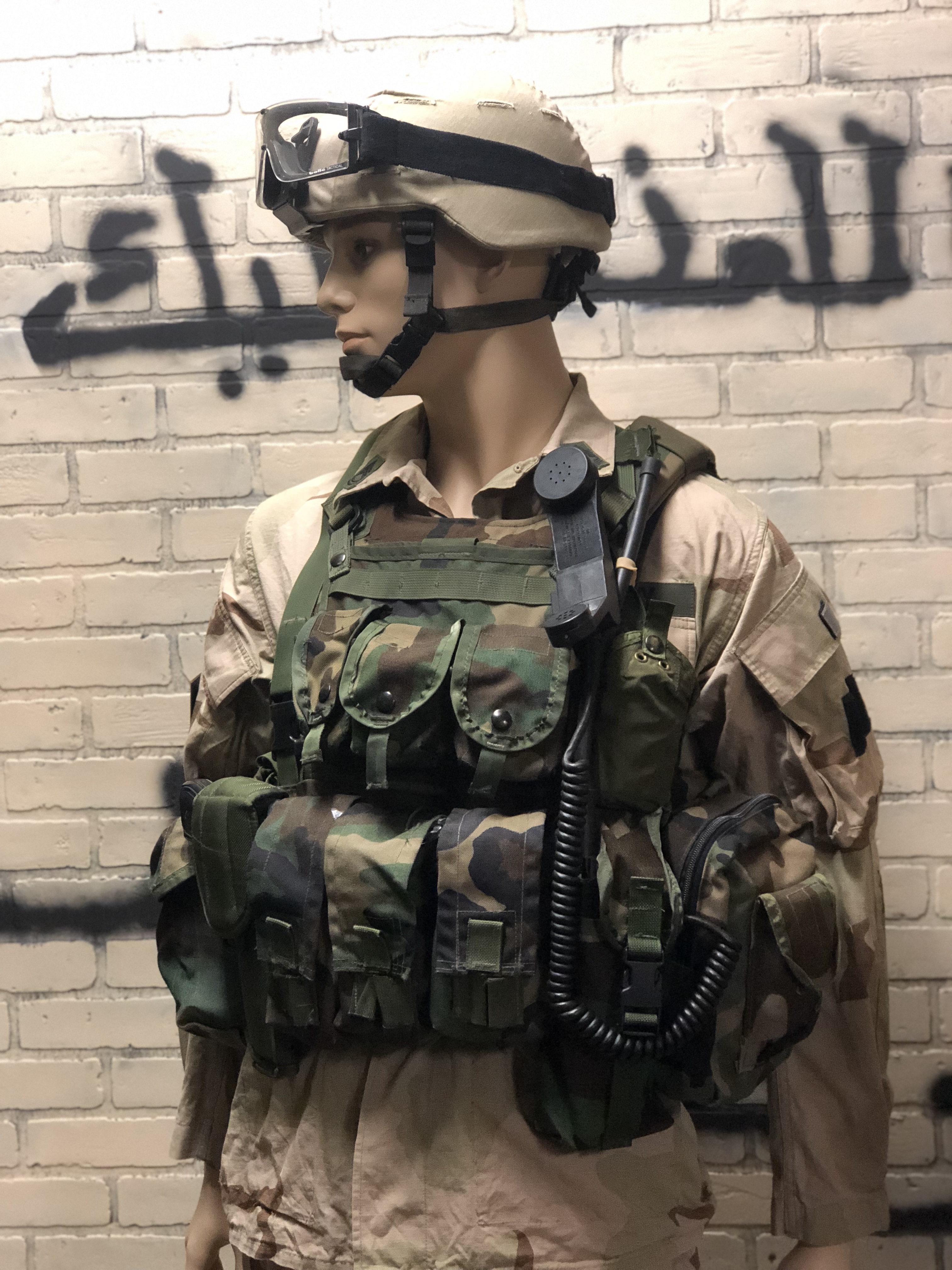
Here are the uniform and equipment as used by Rangers during the battle. The Desert Combat Uniform is modified by moving lower pockets to sleeves with OD green velcro added. This is the earliest modification used by 1/75 Rangers before the standardized modified DCU adopted regiment-wide. The body armor is made by Cerdayne. The pouches are from early MOLLE II and RACK kits, mounted directly on the body armor. Rear of body armor has hydro-bladder and radio pouch mounted directly. The helmet is CGF Gallet, originally issued to Special Operations Forces exclusively. The helmet is paired with comm headset, MSA Sordin.
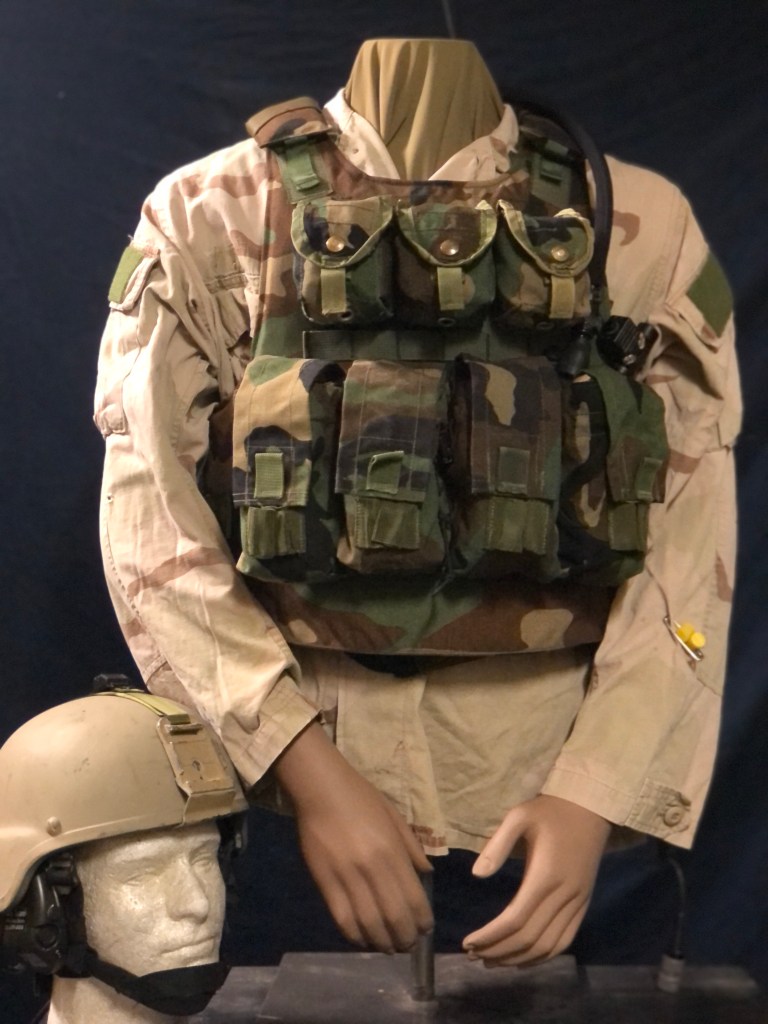
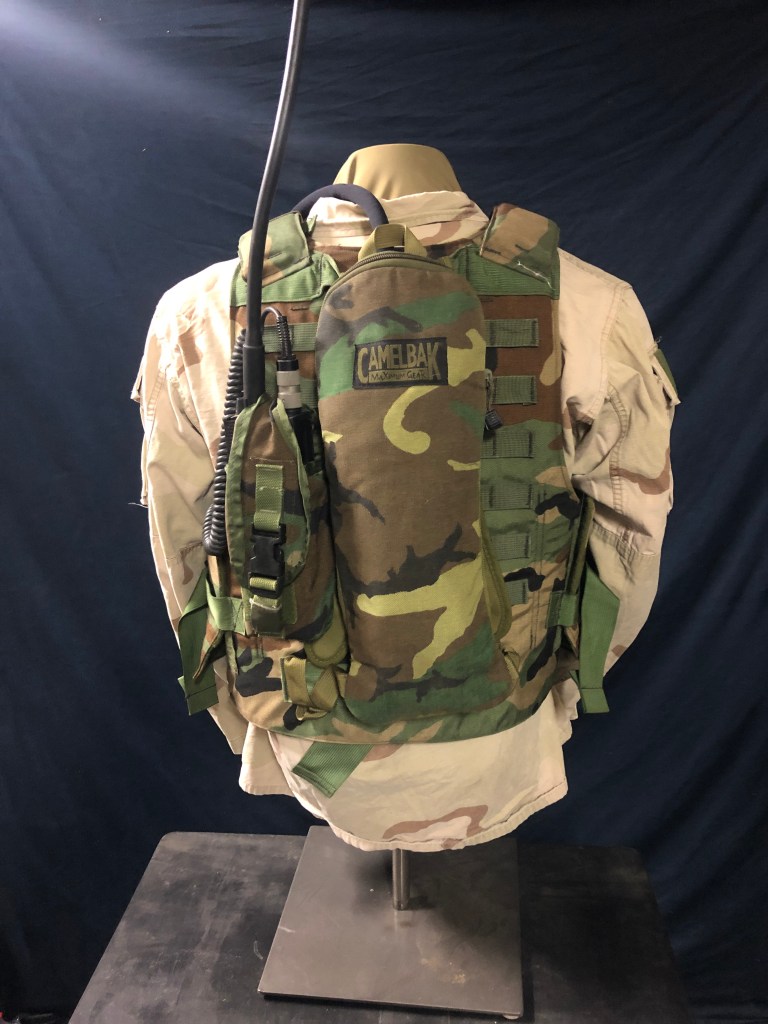
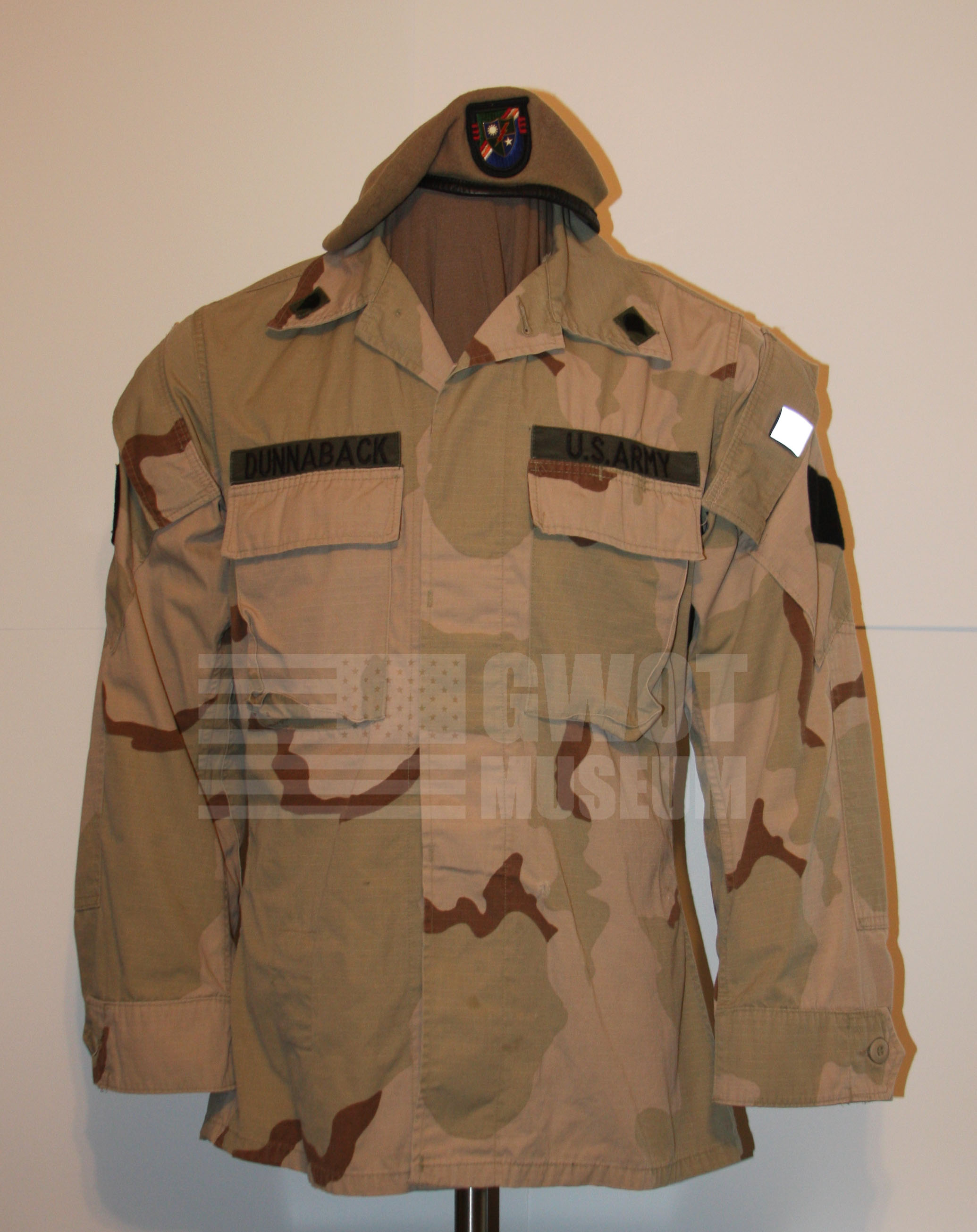
The modified DCU used by 1/75 Ranger from Operation Anaconda.
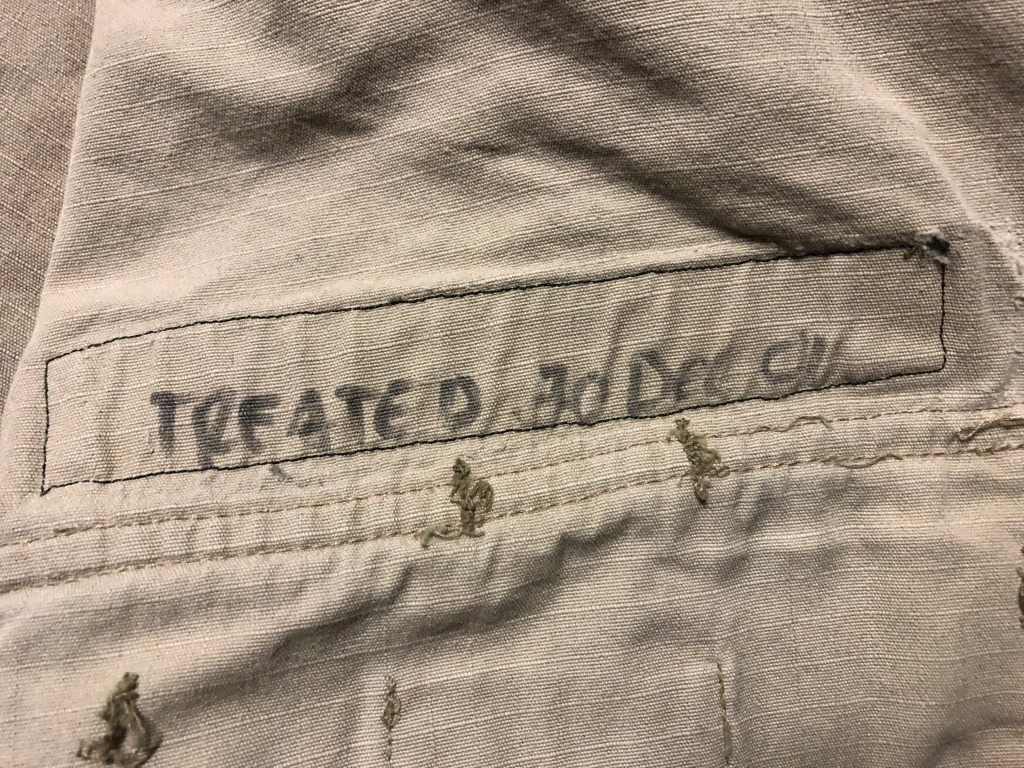
The date written inside jacket was to indicate that it was treated for permethrin, the insect repellent.
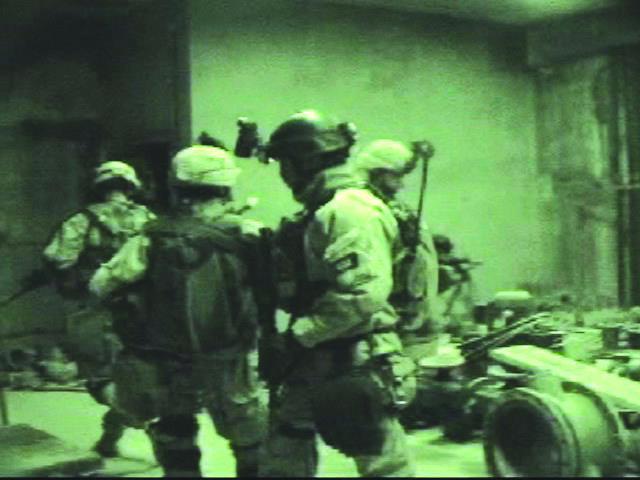
Screen capture from History Channel’s Warfighters Season 1, episode 9. It shows how Rangers kitted out their gear.
Image courtesy of Eric Stebner. Originally posted on Coffee or Die’s article. The article has more details on the battle from the a Ranger’s perspective. Read it here: https://coffeeordie.com/roberts-ridge-video/

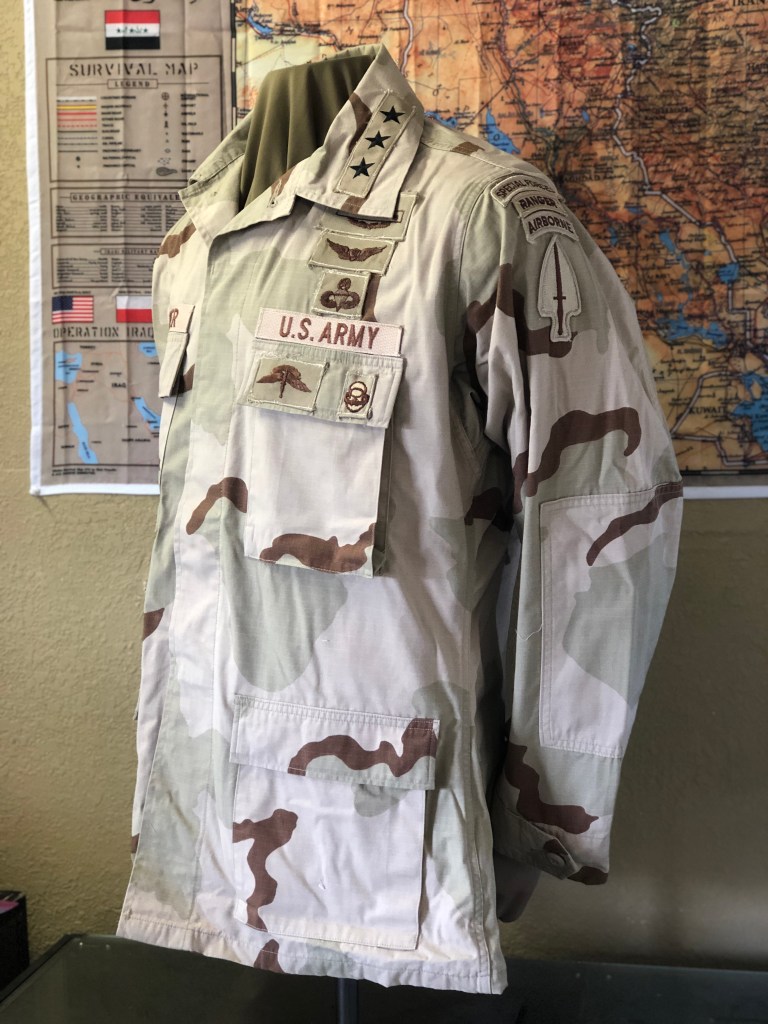
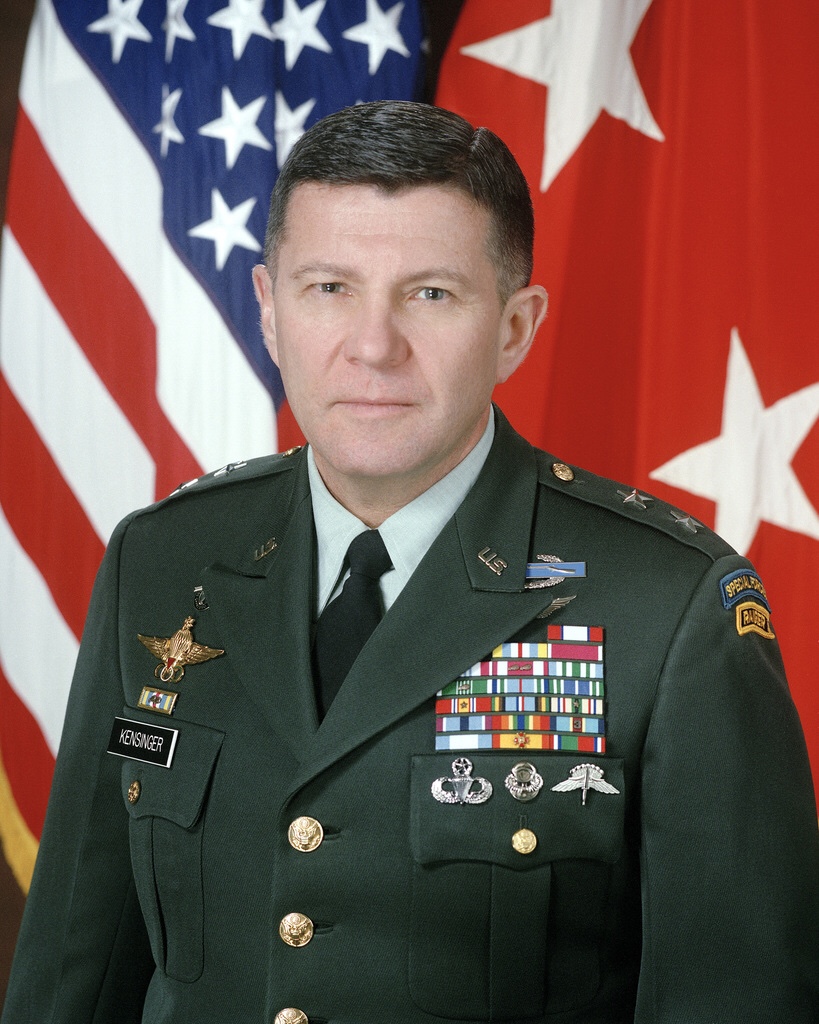
Lt. Gen. Philip Kensinger

Lt. Gen. Philip Kensinger was the commanding general of US. Army Special Operations Command from 2002 to 2005.

US. Army Special Operations Command (USASOC) oversees US. Army’s special operation units including Delta Force, 160th Special Operation Aviation Regiment, 75th Ranger Regiment, Special Forces, and various of supporting companies and battalions such as Psychological Operations (PSYOP), Civil Affairs, Military Intelligence.

USASOC is Army’s compartment in the Special Operations Command (SOCOM).

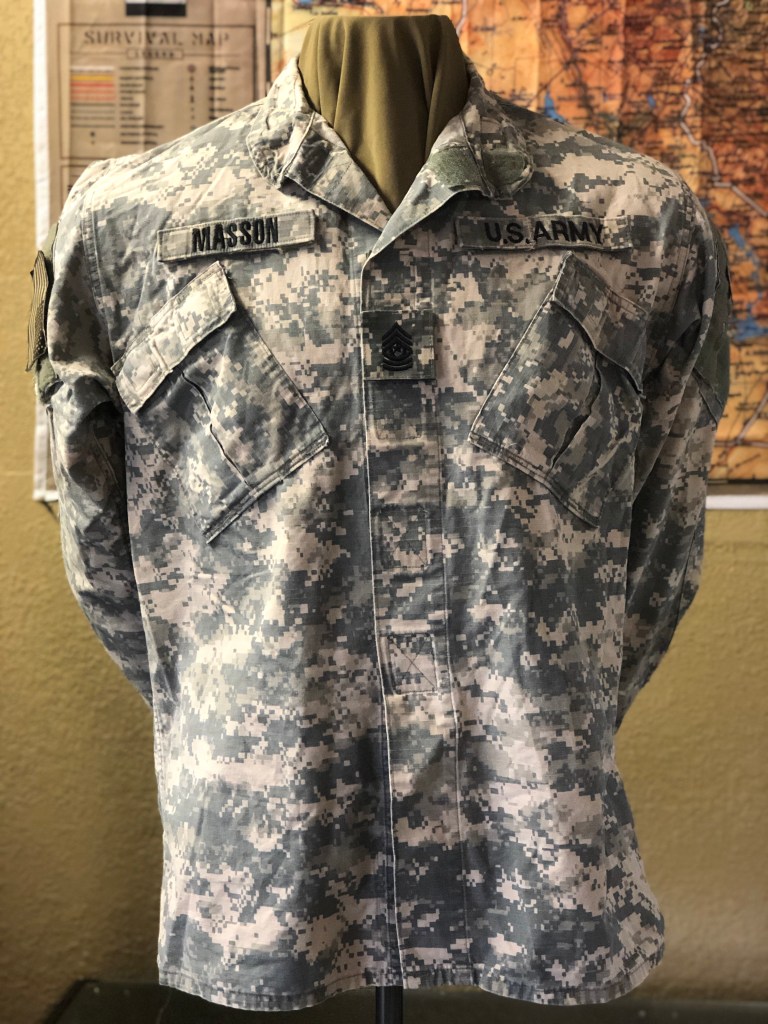
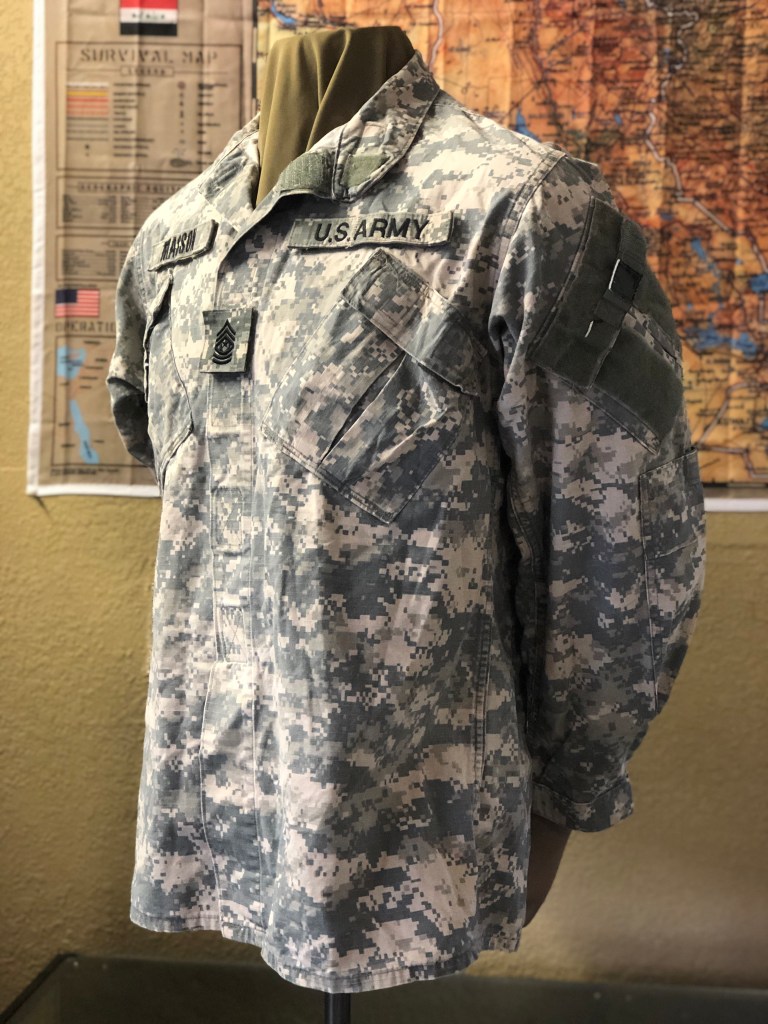
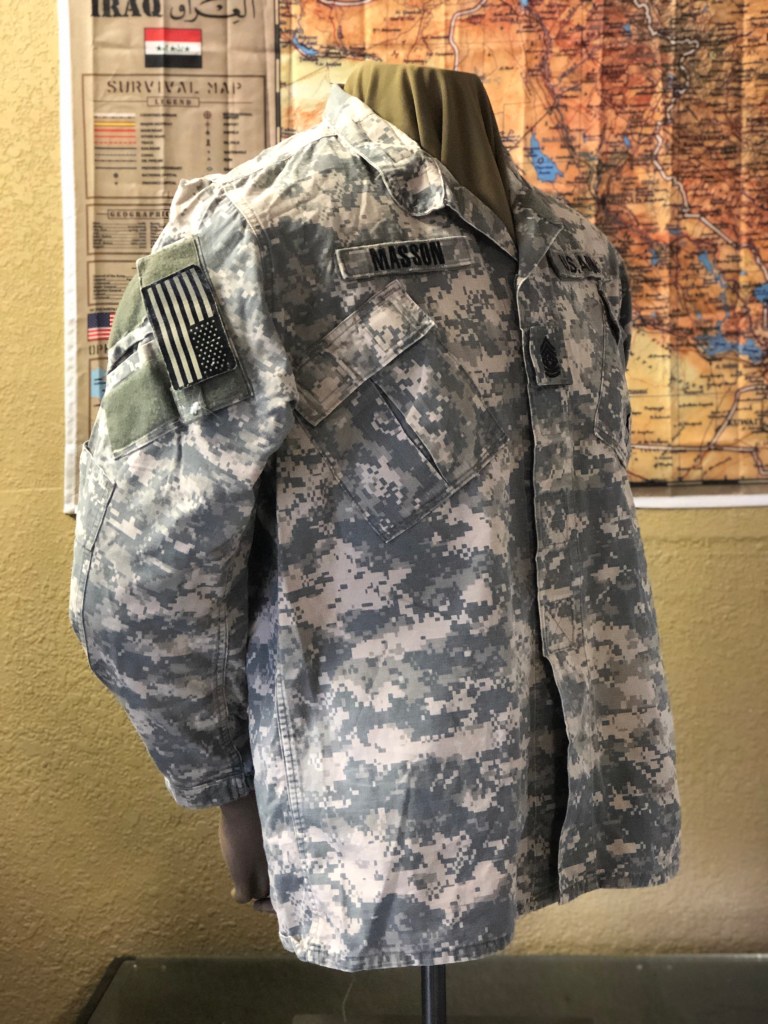
CSM Masson- RSTB & AWG

Command Major Sergeant Michael Masson was in the 1st Battalion, 75th Ranger Regiment for most of his career, he became Command Major Sergeant (CSM) of Ranger Special Troops Battalion, then eventually assigned to Asymmetrical Warfare Group (AWG) to be CSM of Able Squadron.

RSTB scroll with Ranger tab. The tab is earned upon completion of Ranger School.
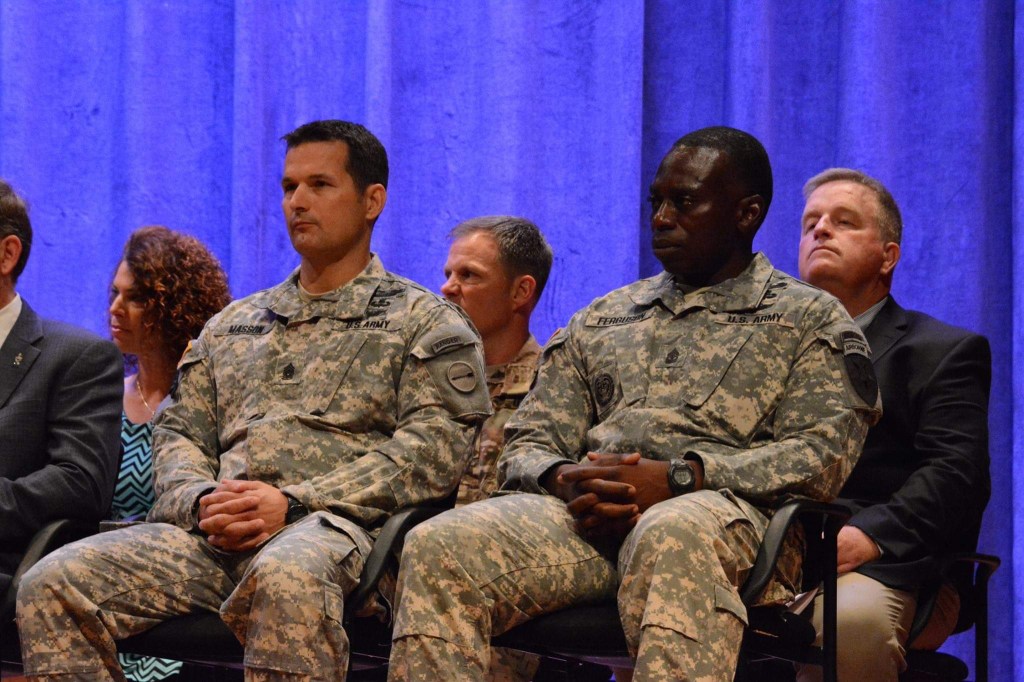
Command Sgt. Maj. Michael Masson, Asymmetric Warfare Group ABLE Squadron command sergeant major and former Regimental Special Troops Battalion command sergeant major; and Sgt. Maj. Harry Ferguson, 1st Joint Communications Squadron Joint Communication Support Element (Airborne) and former Regimental Signal sergeant major, during the 2015 DHMOR ceremony at US Army Fort Benning, 23 June.

Image and subtitle source: The 75th Ranger Regiment Facebook page

US. Army formed Asymmetrical Warfare Group (AWG) in 2005 in response to challenges conventional Army units faced in Iraq and Afghanistan. AWG is consisted mainly of operators from various Special Operations units. In Masson’s case, he brings in valuable experience and expertise from his career in the 75th Ranger Regiment. The AWG’s mission is to provide the support to conventional army units by attaching to them on their operations, observing and analyzing their foe’s threat and tactics, then advising and developing solutions and trainings for a unit to enhance their combat capabilities.

AWG operators were issued unique uniform set made by Paraclete for field wear. It has many features differs from standard ACU set such as Velcro style, pockets placements. AWG seldomly worn unit shoulder sleeve Insignia on operations.

AWG operators wearing their Paraclete uniforms. Photo source: Open Source.

Author’s note: The general information gathered on CSM Masson and units for this article has been published online by US. Army so no OPSEC has been violated.

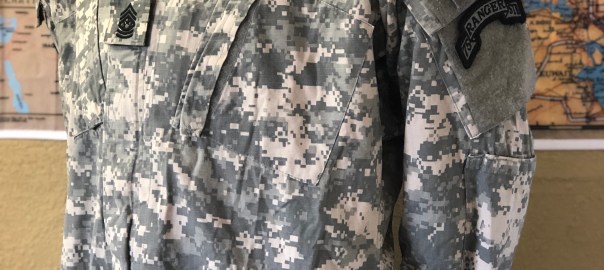
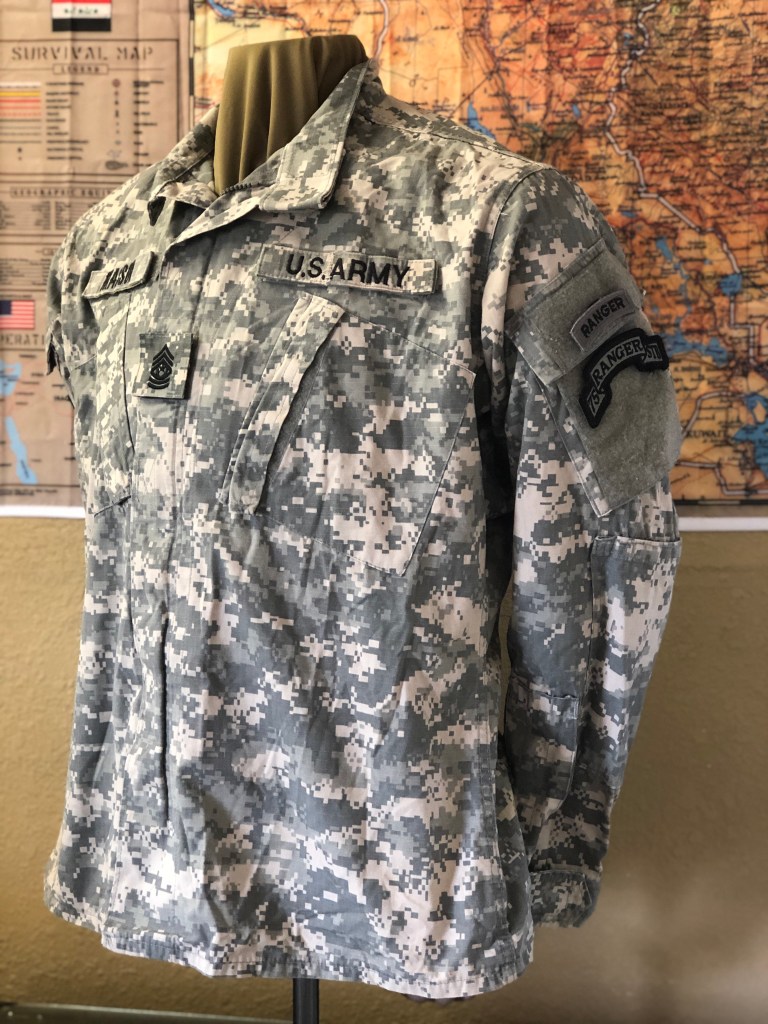
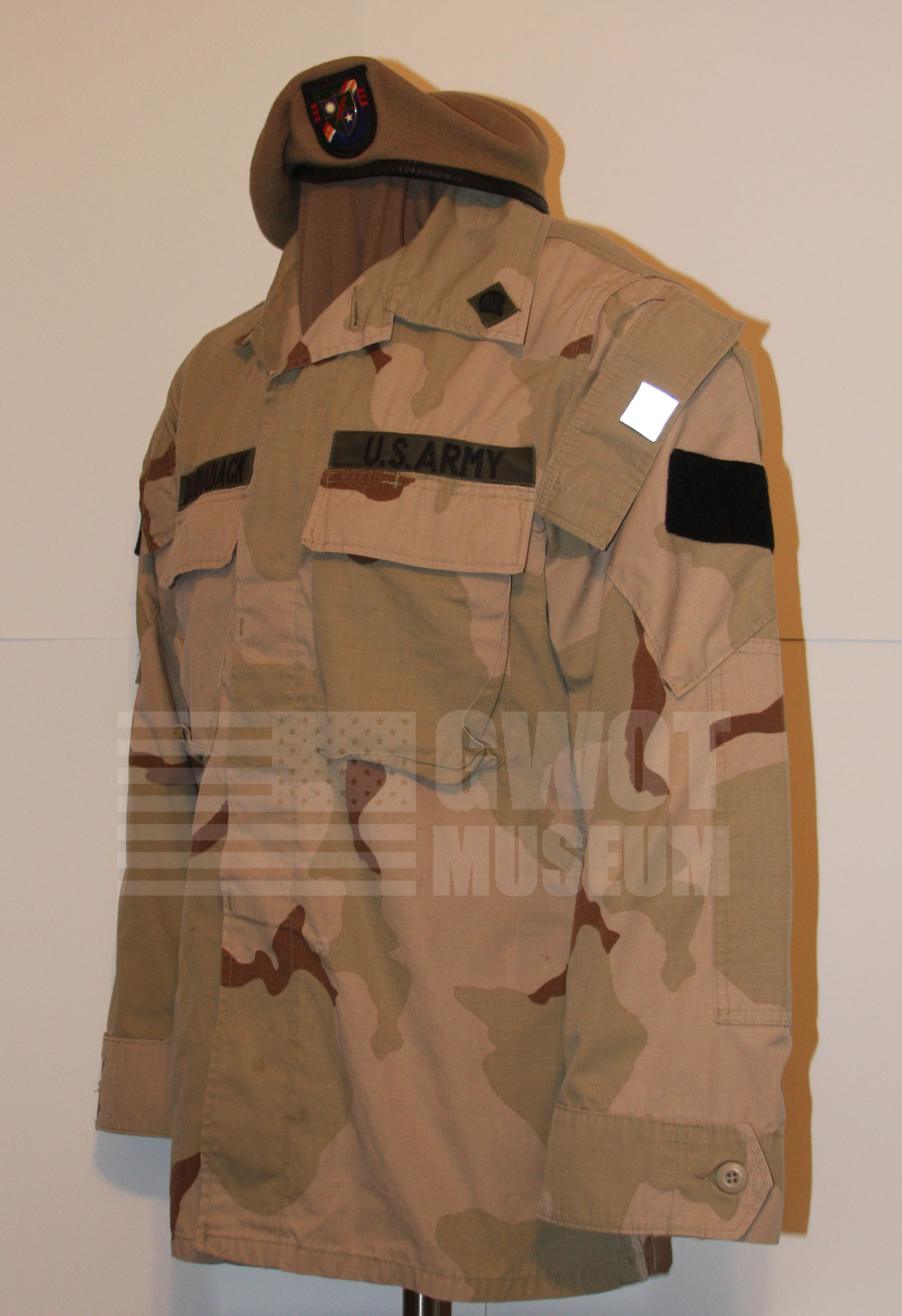
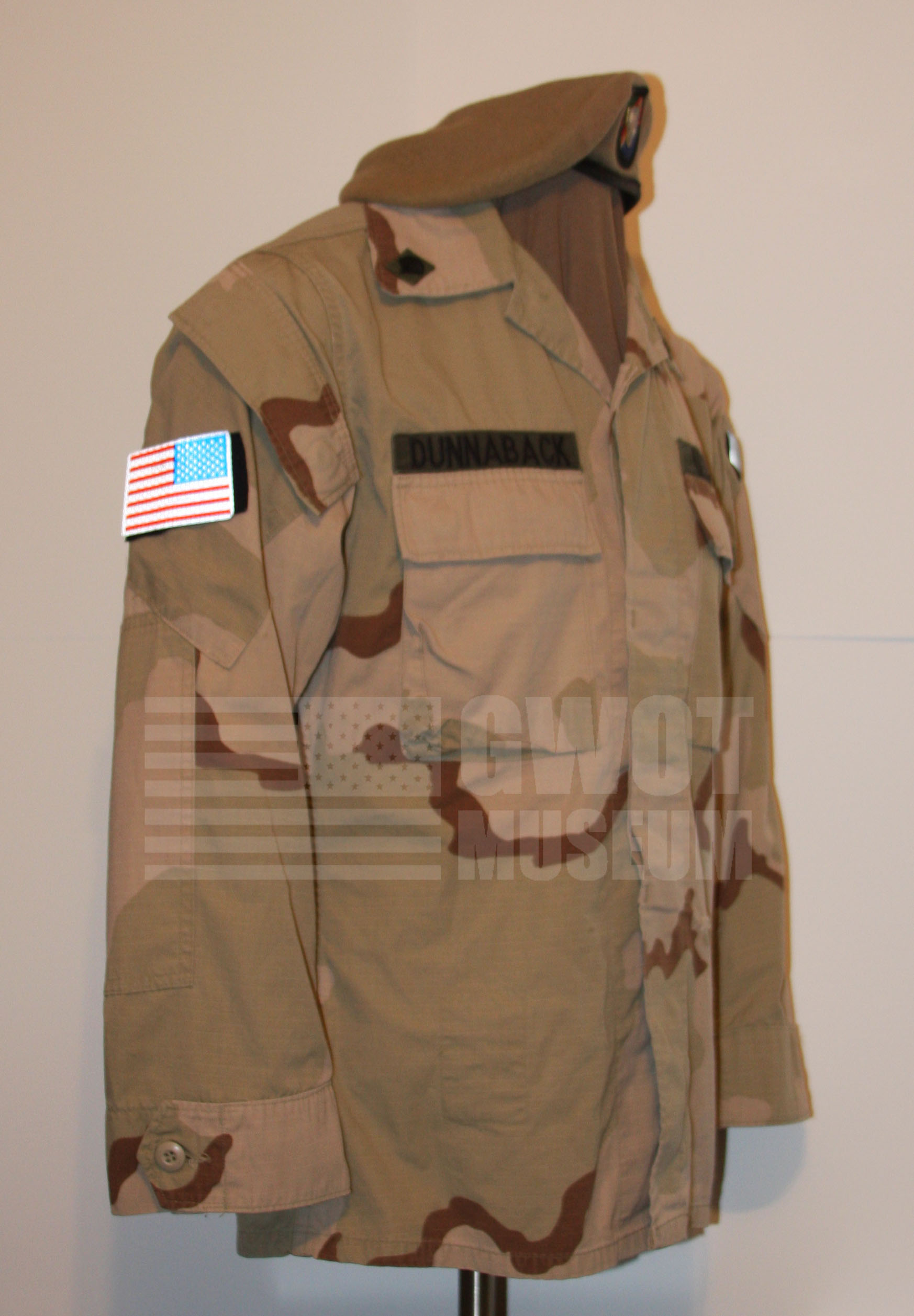
Modified Desert Combat Uniform and Beret of the 75th Ranger Regiment ’02-’05

04a375025zg4mk-48-mod-0-hrRanger mod 2 Ranger mod Ranger mod 1IMG_7912

The 75th Ranger Regiment, unlike to other US. Army units, lacked the shoulder sleeve insignia on their deployment uniforms. The regiment had everyone modify their desert combat uniform to Rangers’ specifications (Lower pockets moved to upper sleeves, with black velcro rectangles sewn on pockets with additional of small velcro square for the glint (reflective) square. Typically Rangers would have worn either reflective or standard US flag patch on right sleeve. Callsign patch with infrared/reflective numbers/letters would’ve be mounted  on left sleeve velcro (not shown). The reflective/infrared patches were used to aid with identification of friendly or foe while wearing a night vision goggles during night operations.