The 5th Special Forces Group was deployed to Iraq in 2003 for the invasion of Iraq. They infiltrated into Western Iraq in advance of the main invasion forces to conduct reconnaissance, harassing Iraqi forces in the area, capturing Iraqi airfield at Wadi al Khirr, as well feinting attacks to create distractions.
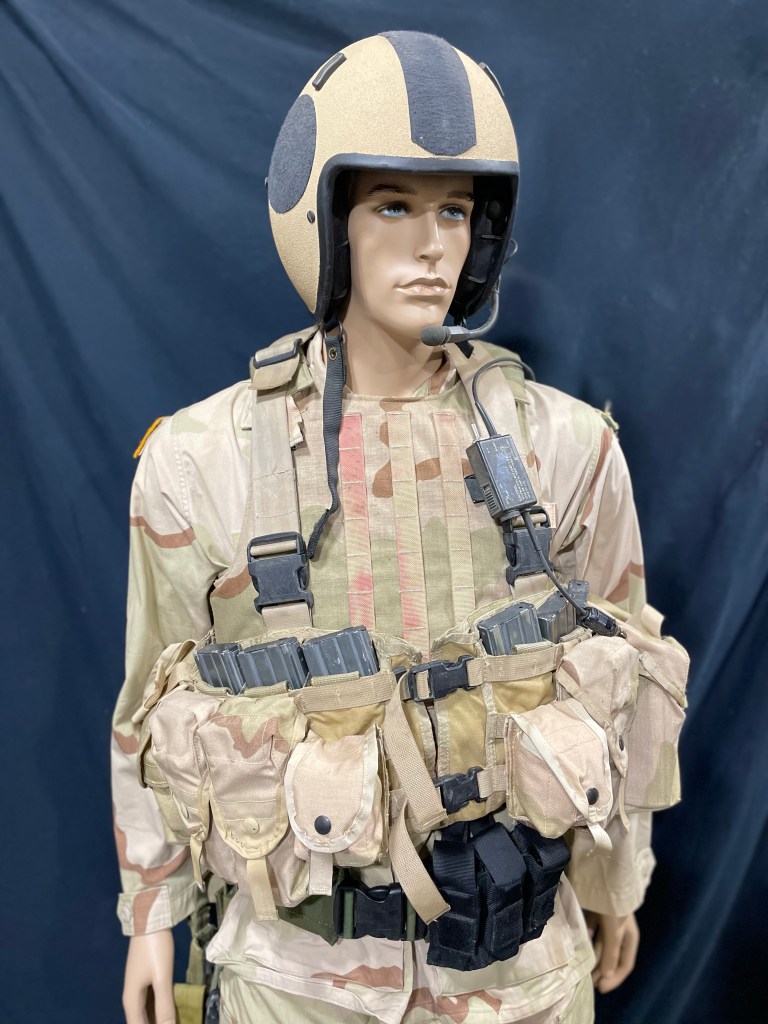
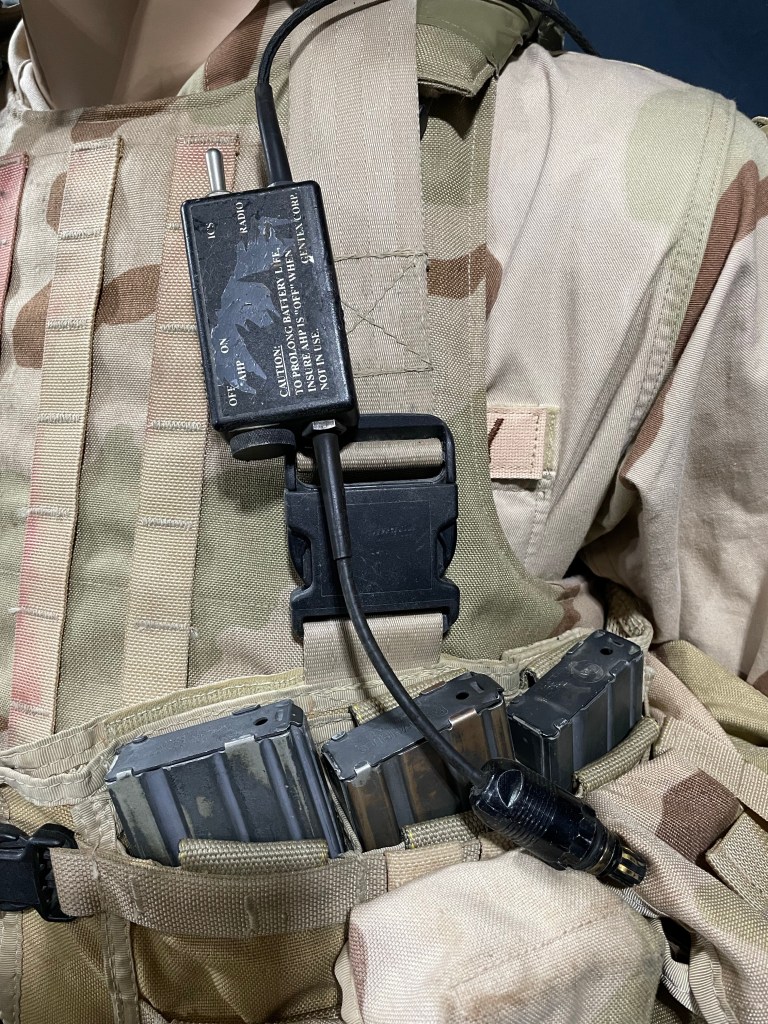
The primary item you may have noticed on this display is the helmet. The helmet is Gentex Military Motorcycle Helmet II. This is a ballistic helmet with integrated communication equipment- In the HMMWV General Mobility Vehicle (Or GMV in short, a Special Operations version of Humvee) as well other vehicles; ODA team members wear this helmet in conjunction with vehicle intercom system.
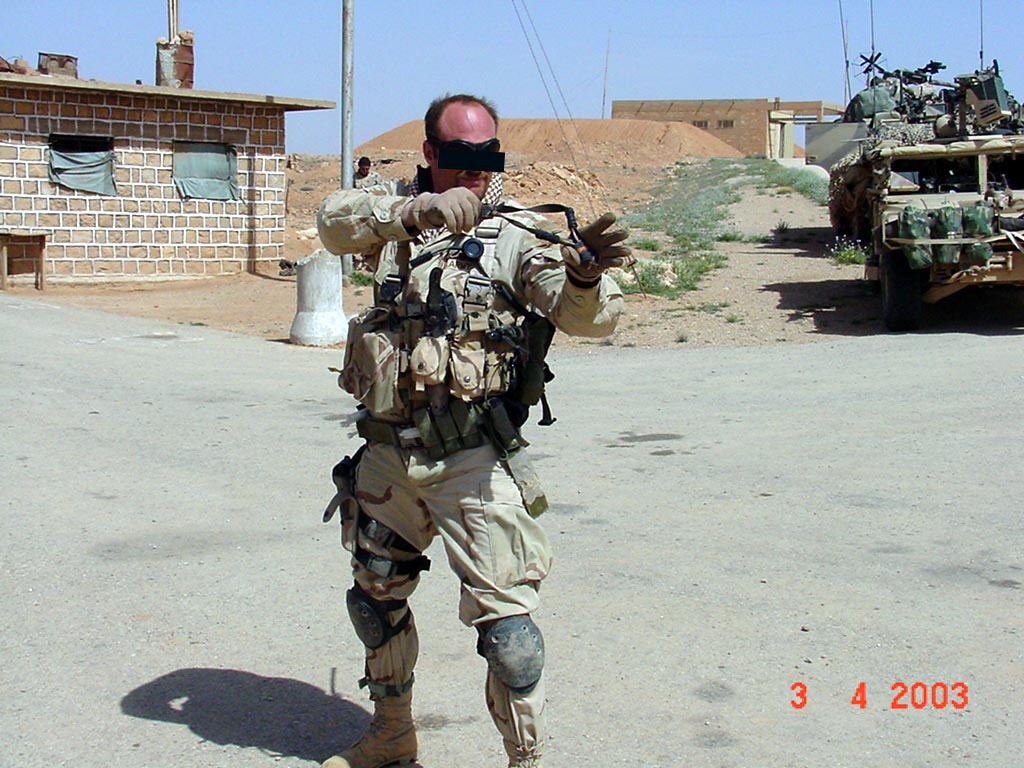
Another equipment to highlight: Hellcat MK2 chest rig made by SO Tech. At the time, chest rigs weren’t widely issued so those had to be bought out of pocket. The chest rig has early “yellowish” tan material as well “seatbelt” straps. The chest rig was innovative and cutting edge for its time as it has pockets for magazines built in to make it easy and quick to draw. Standard issue desert pouches from MOLLE equipment mounted on it for additional ammo and gear. The chest rig is worn over Safariland SPEAR body armor.
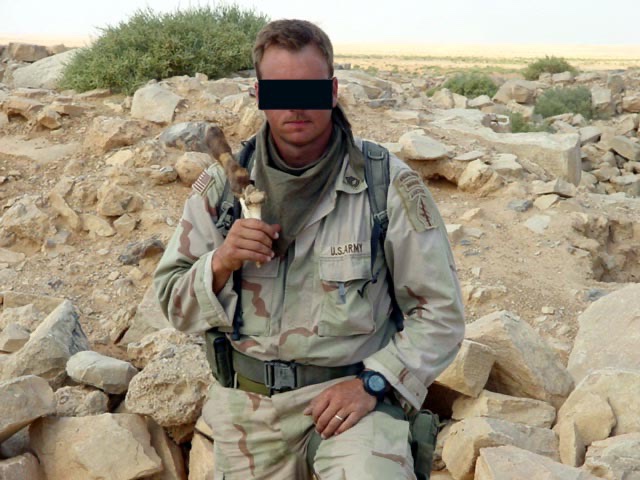
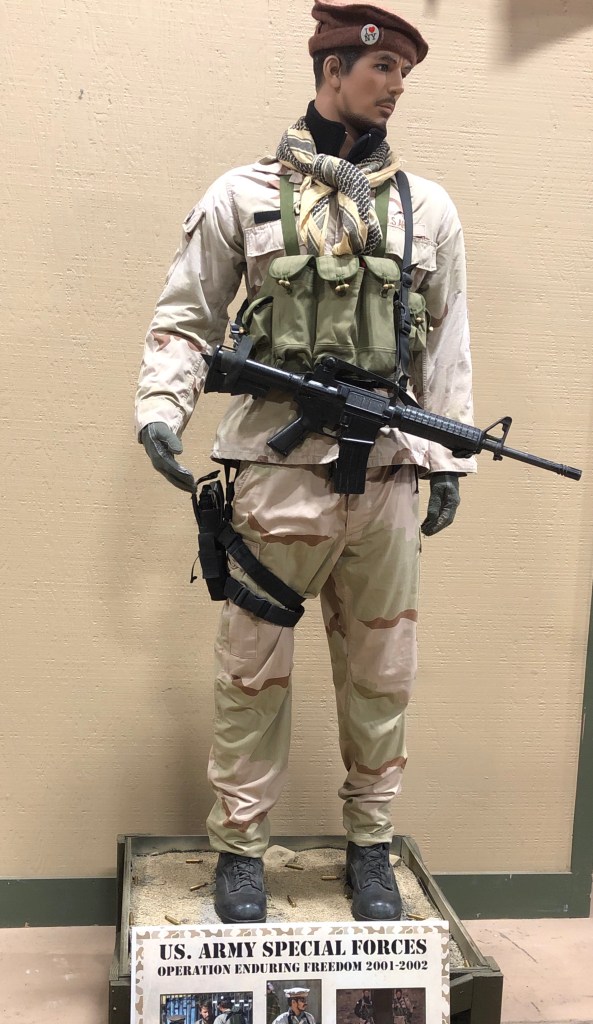
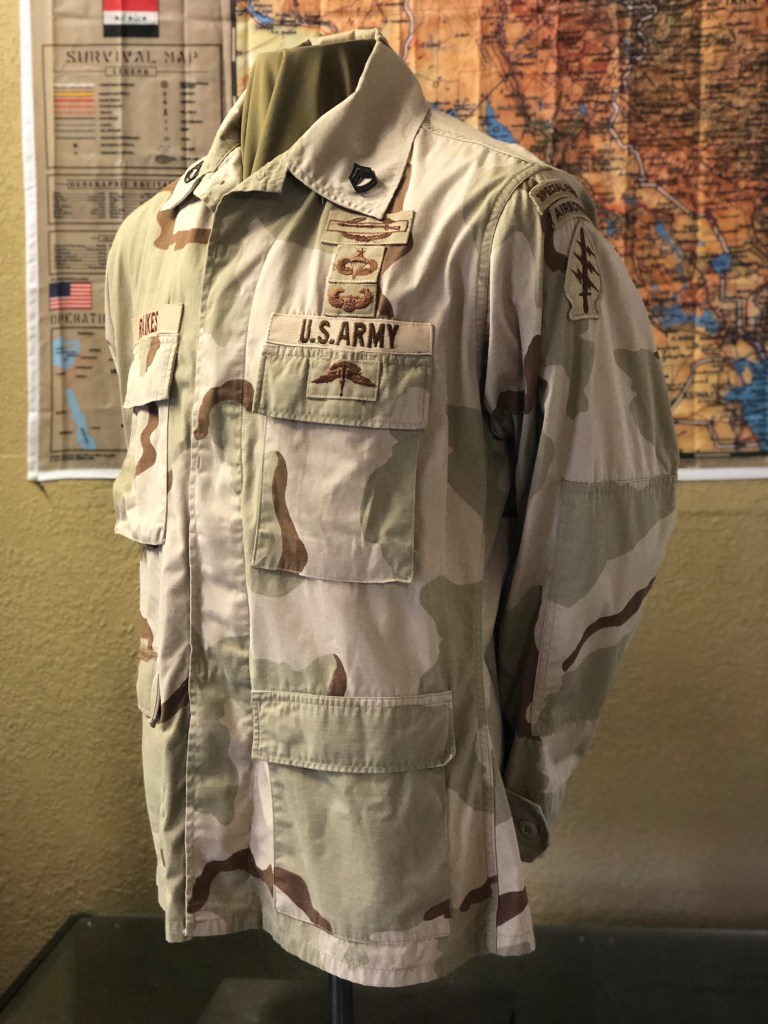
The desert camouflage uniform has Velcro so Special Forces soldiers could remove patches if discretion is needed. This simple velcro modification seemed to be common for 5th Special Forces Group at the time.
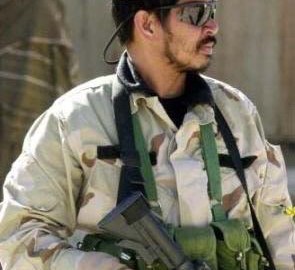
Hellcat chest rig in action. Image source: Unknown. MMH-II in action. Image source: Unknown. Image source: Unknown. Note the DCU with Velcro for patch.
The display is currently on loan to American Armory Museum for their Operation Enduring Freedom exhibit.
Anti-Taliban leader Gul Agha Sherzai’s Pashtun force liberated Kandahar from Taliban’s control in late 2001. There were still pockets of Talibans and (foreigners) Al Qaeda fighters throughout the city. Sherzai’s forces captured few wounded hard core Al Qaeda fighters, who were then brought to Mir Wais hospital for treatments. On December 7, 2001 nine Al Qaeda fighters overpowered their captors, armed and barricaded themselves in a wing of hospital, besieged it. Al Qaeda fighters handed over two of their severely wounded fighters who weren’t able to fight, to Sherzai’s forces. One of fighters committed suicide by blowing up himself with a grenade. Six Al Qaeda fighters remained.
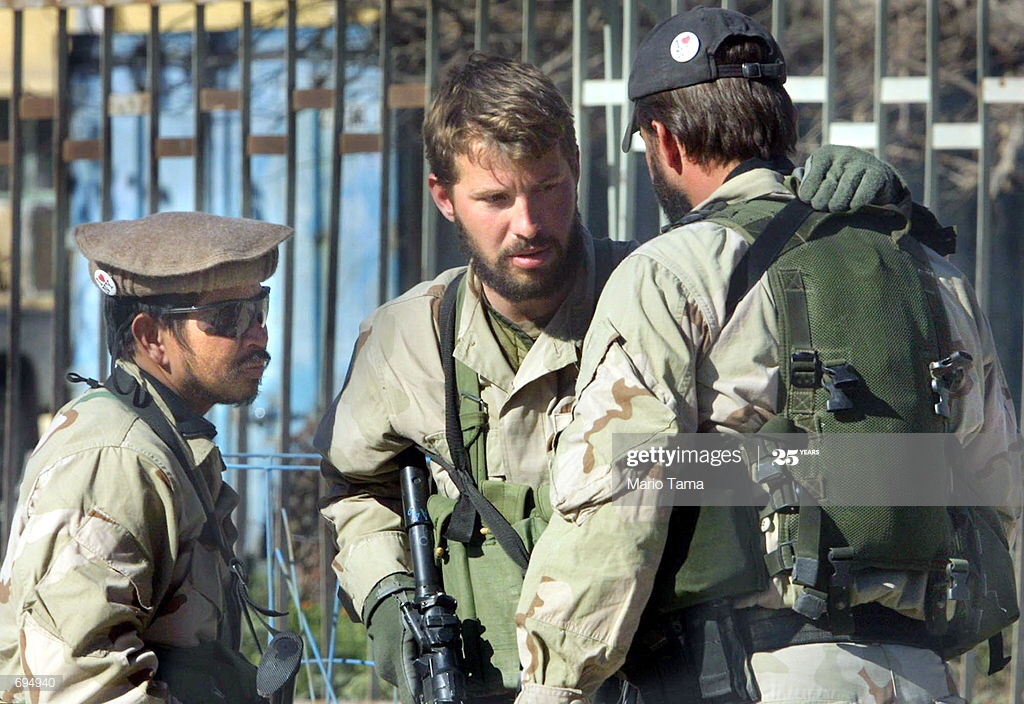
US. Army 5th Special Forces Group (Airborne)’s ODA 524 team had arrived in Kandahar just two days earlier to replace another team, ODA 574 due to heavy casualties from accidental friendly air strike incident. When ODA 524 arrived on scene, Pashtun leader Sherzai insisted that Americans could not enter the Mir Wais hospital but insisted they train and prepare Sherzai’s own force for assault. With the siege ongoing, the ODA trained the 15 best fighters selected from Sherzai’s force for assault. For a few weeks, these Pashtun fighters were trained in urban warfare and Close Quarter Battle.
Men from ODA 524. Note the “I love NY” pins. Image source: Getty images
The ODA emplaced and blew breaching charges on the hospital wall creating an entry point for Sherzai’s assault force. The breaching caught Al Qaeda fighters off guard however, Sherzai’s assault force moved too slowly, allowing Al Qaeda fighters to recoup and put up a heavy resistance. At one point during the assault, a grenade blew up wounding multiple Pashtun assaulters, forcing them to retreat. On the second assault attempt, the remaining Pashtun assaulters were no longer motivated, requiring the ODA to step in. The ODA conducted this second assault themselves. After tossing multiple grenades and heavy gunfight, they successfully took down all the six Al Qaeda fighters. The men of ODA 524 ended a 50 days siege without taking casualties.
The two severely wounded fighters were treated and transferred to United States’ Guantanamo Bay Naval base in Cuba for the high security detention camp controlled by Joint Task Force- Guantanamo (JTF-GTMO).
Aftermath of successful assault. Image source: AP photo and the BBC News article.
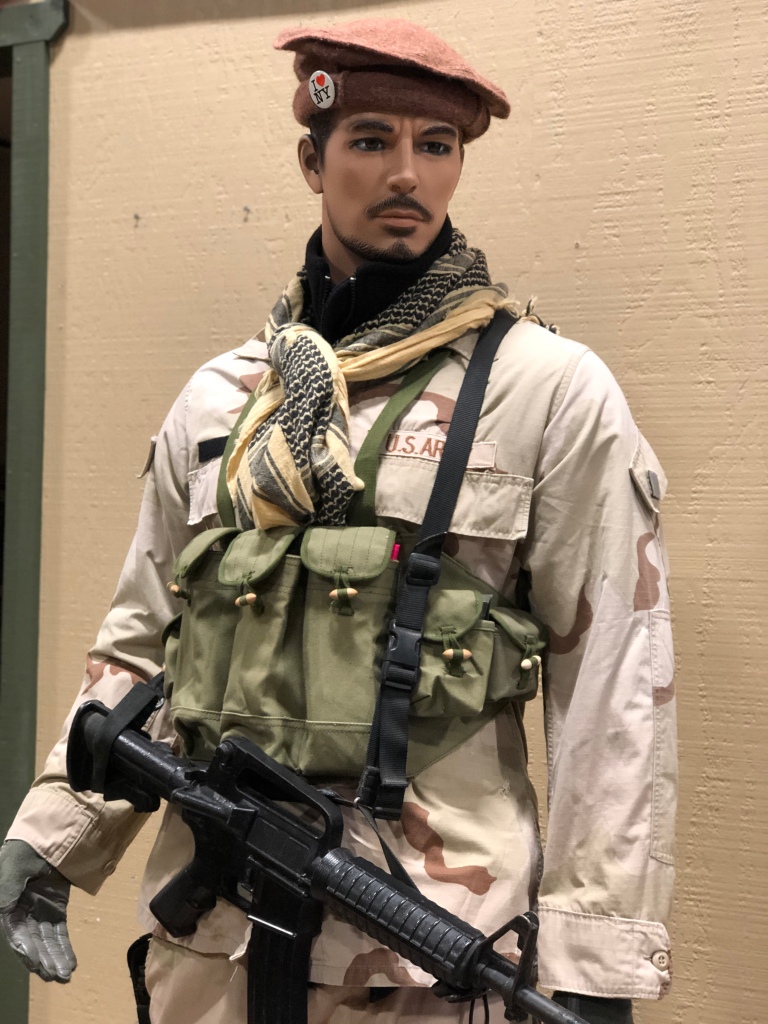
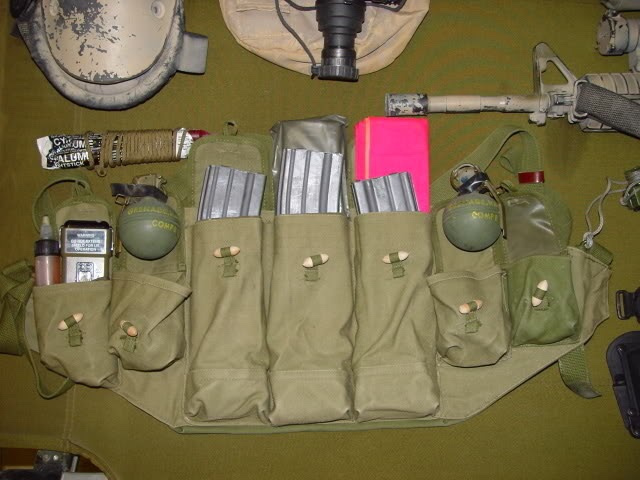
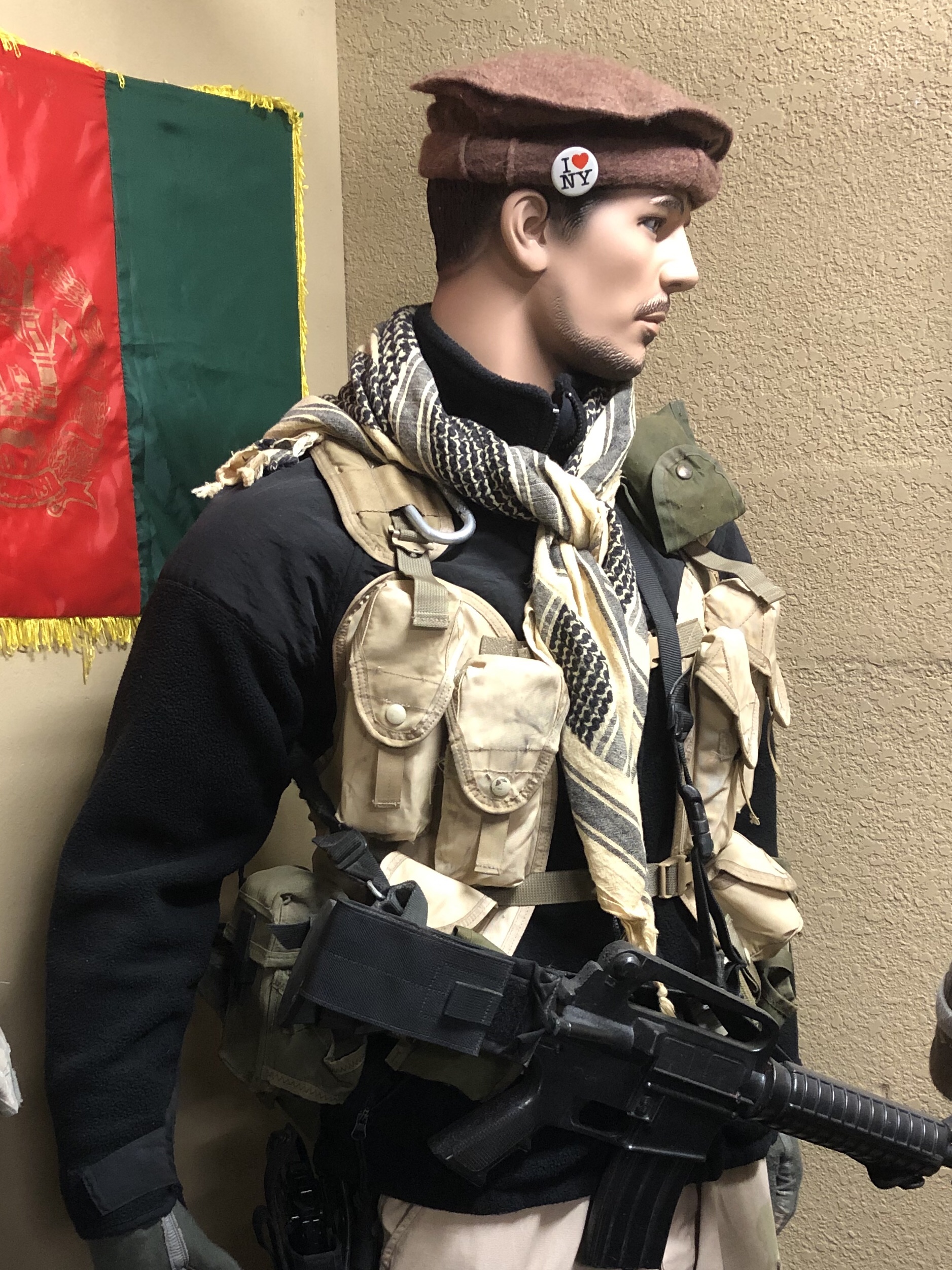
The equipment on the mannequin display: Pakol hat and Chinese made “Chicom” chest rig commonly worn by Afghans; also worn by Special Forces soldiers to blend in their allied fighters and local population. The “I love NY” pin was worn by ODA members as a tribute to 9/11. The desert camouflage uniform (DCU) was modified by relocating pockets to sleeves for ease of access while wearing vest or chest rig. Strips of Velcro were added so branch/name tags can be removable for anonymous reason and Velcro squares on sleeves were for reflective/IR squares with purpose to distinguish from friendlies to foes. Under the modified DCU is Extreme Cold Weather Clothing System (ECWCS) fleece jacket.
The “barrack” photo taken by Special Forces soldier showing how he utilized his “Chicom” chest rig. Image source: Unknown/ Open source
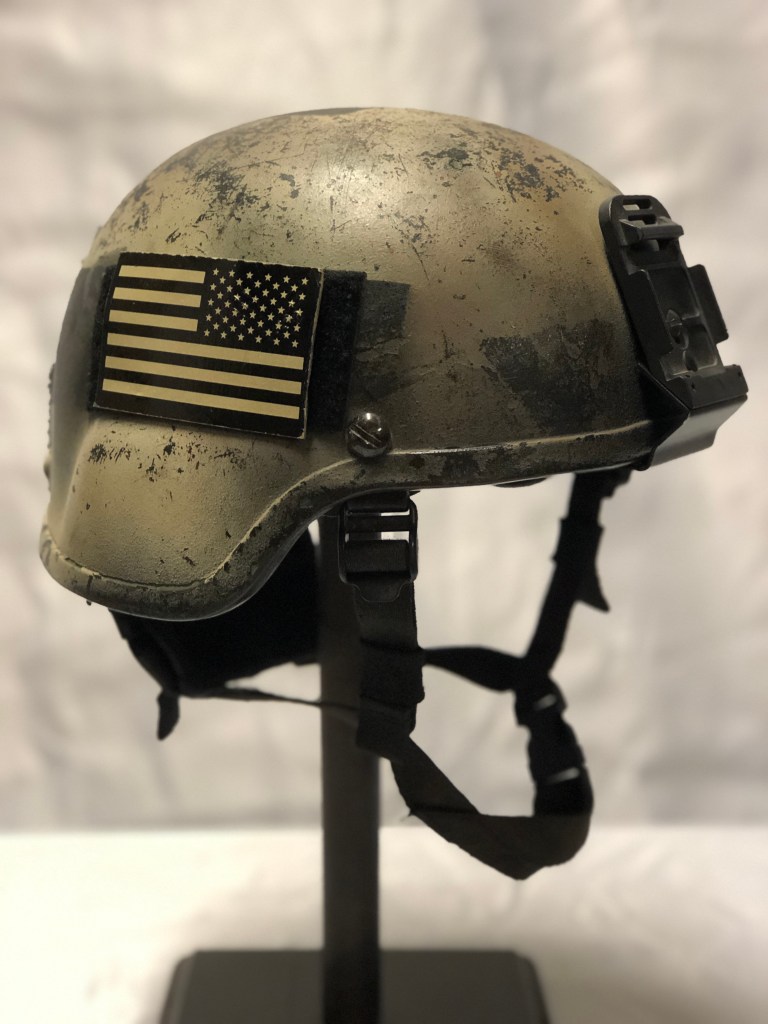
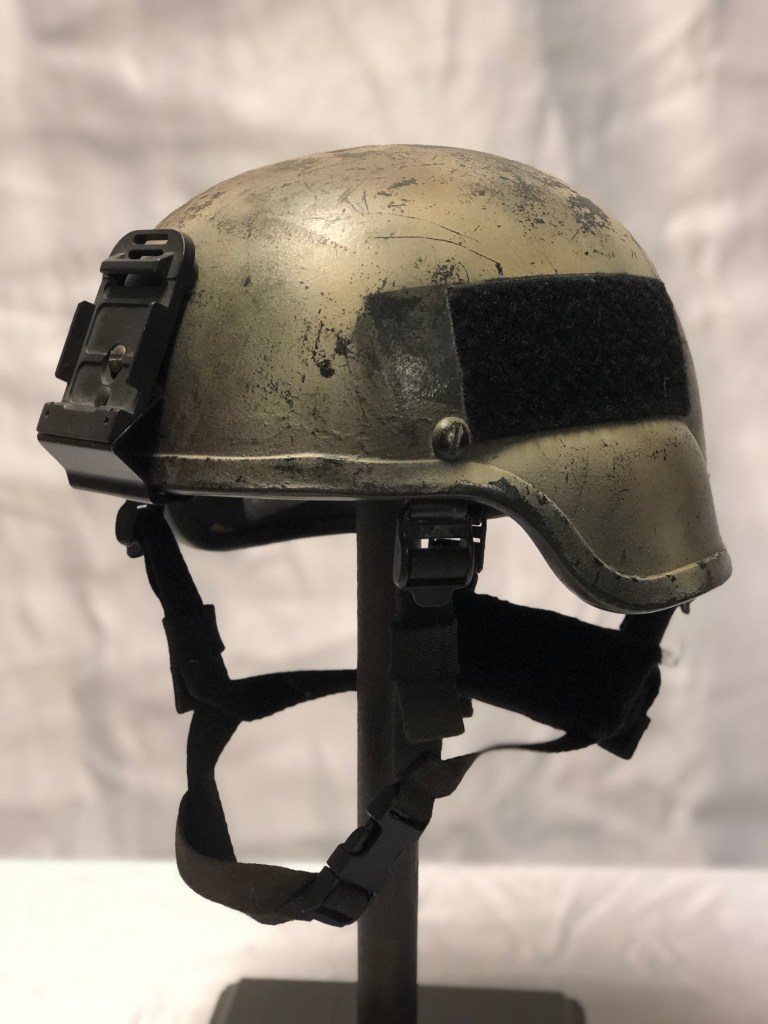
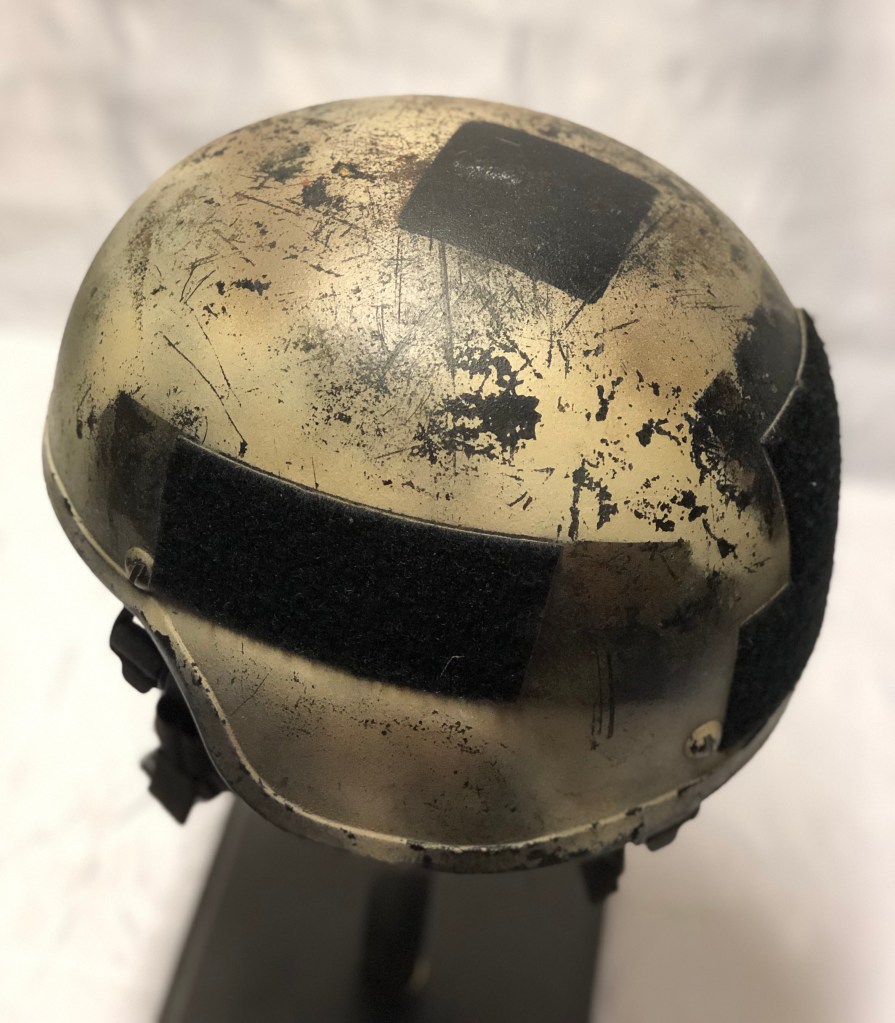
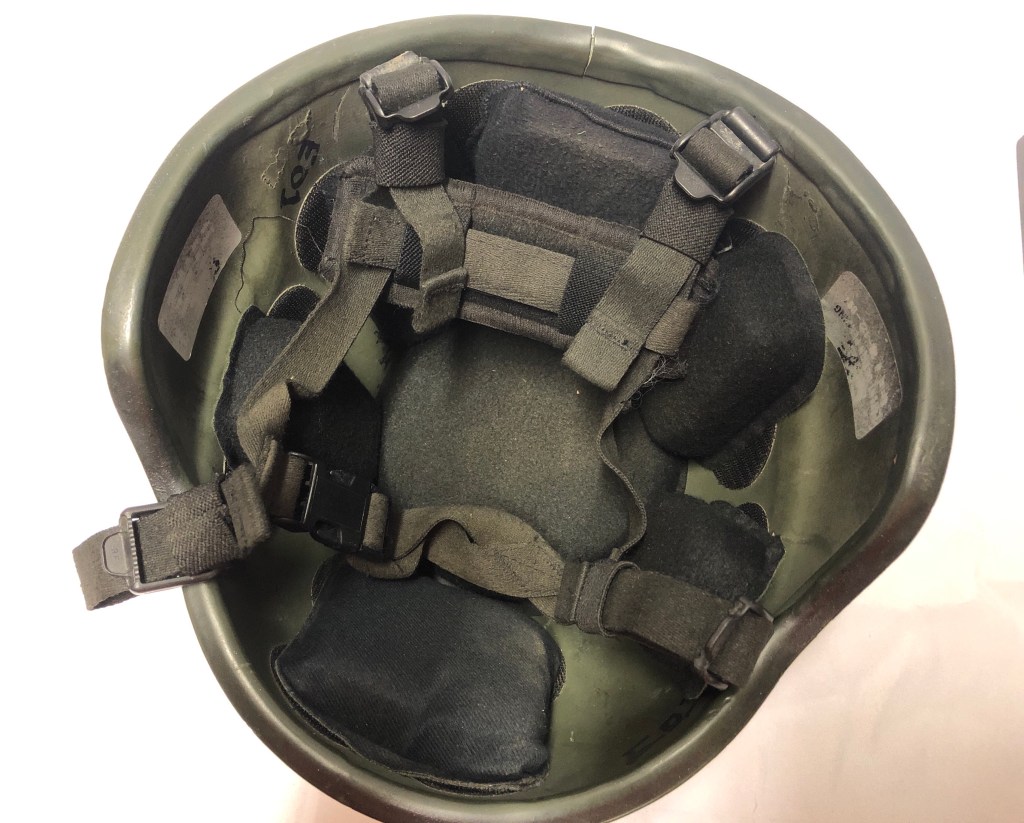
An original helmet with sprayed camouflage pattern and strips of Velcro added for various of attachments including NVG mount accessories or patches. Special Operations Forces (SOF) troops typically customize or personalize their helmets to meet their operational needs or individual preference. This TC2000 is made by CGF Gallet, the original manufacturer of the helmet series before the company was bought out by MSA. The CGF version was the first TC2000 adopted by US. Military exclusively for SOF units while the conventional units still had PASGT helmets.
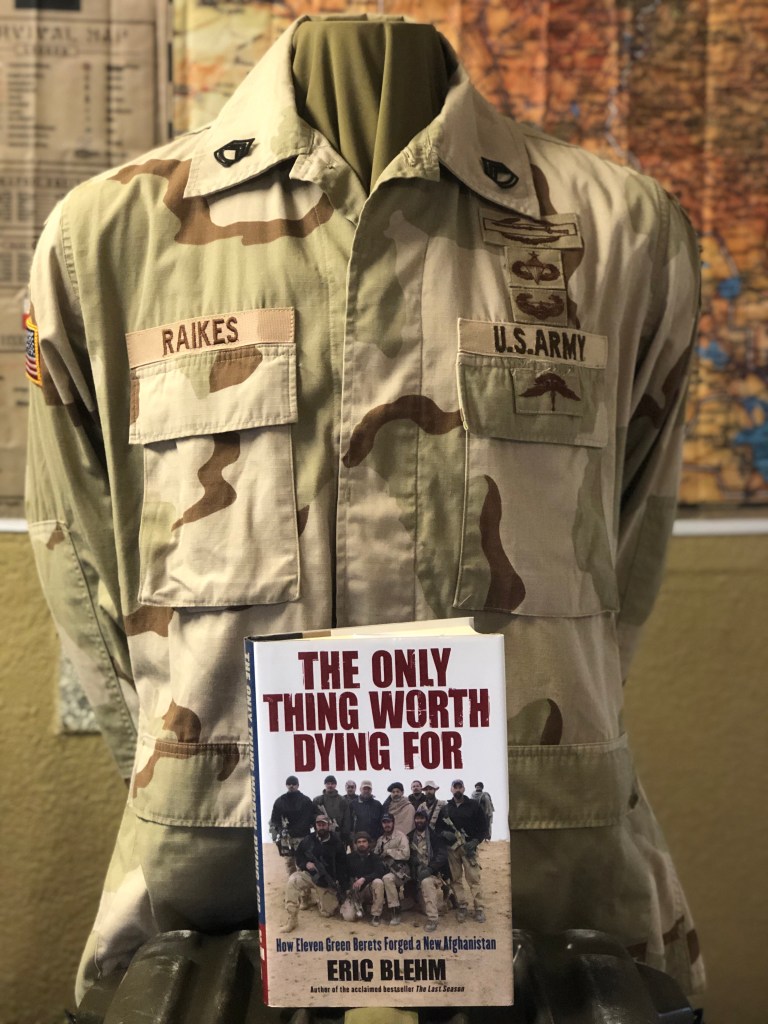
SSG Ronnie Raikes. ODA 574, 3rd Battalion, 5th Special Forces Group.
Other ODA (Operational Detachment Alpha) teams from the 5th Special Forces Group were being inserted into North Afghanistan, meeting with Northern Alliance fighters. On other hand, ODA 574 had critical mission in South Afghanistan. The United States faced the greater challenge in south due to the majority of population was of Pashtun ethnic group; Taliban’s root ethnicity. The exiled Afghan politician, Hamid Karzai was United States’ key to winning Pashtun tribes’ hearts and minds and have them join the cause against the Talibans and Al Qaeda.
Karzai supported and funded Afghan mujahideen during the Soviet Union’s occupation of Afghanistan. After Taliban came to power, he outspoke against Talibans, and refused to accept the position within Afghanistan’s Taliban government, then he was forced to exile. Karzai continued to work against Talibans in exile. He is well-respected and recognized by Afghan people. The United States recognized Karzai’s qualities and invited him to assist the United States’ efforts in war on terror.
On November 14, 2001, The ODA 574 escorted Karzai and infiltrated into South Afghanistan. They successfully infiltrated, engaged with local tribes, formed new allies and Karzai built a militia consisted of Pashtun fighters to revolt against Taliban regime. Then tragedy struck: JDAM (Joint Direct Attack Munition) bomb dropped on the ODA team and Karazi’s fighters by mistake. It was costly one: Three ODA team members and twenty of Karzai’s fighters were killed. Ronnie Raikes and rest of the team were wounded, including Karazi. Right after the incident, Karzai was selected to be chairman of Afghanistan interim government committees. He eventually would become a president of Afghanistan.
The three KIAs were Master Sgt. Jefferson Donald “JD” Davis, Staff Sgt. Brian Cody Prosser, and SFC Daniel H. Petithory.
Ronnie Raikes was back in United States recovering from his injuries he sustained from the JDAM incident. Raikes and two other ODA 574 team members were invited to President Bush’s State of Union speech, where Karzai personally thanked them. Raikes sat with the First Lady Laura Bush and Hamid Karzai during the speech.
Ronnie Raikes and ODA 574’s story was told in book The Only Thing Worth Dying by Eric Blehm.
Raikes with First Lady and Karzai during State of Union speech. (Gettyimages)ODA 574 and Karzai. (Image from open source online)
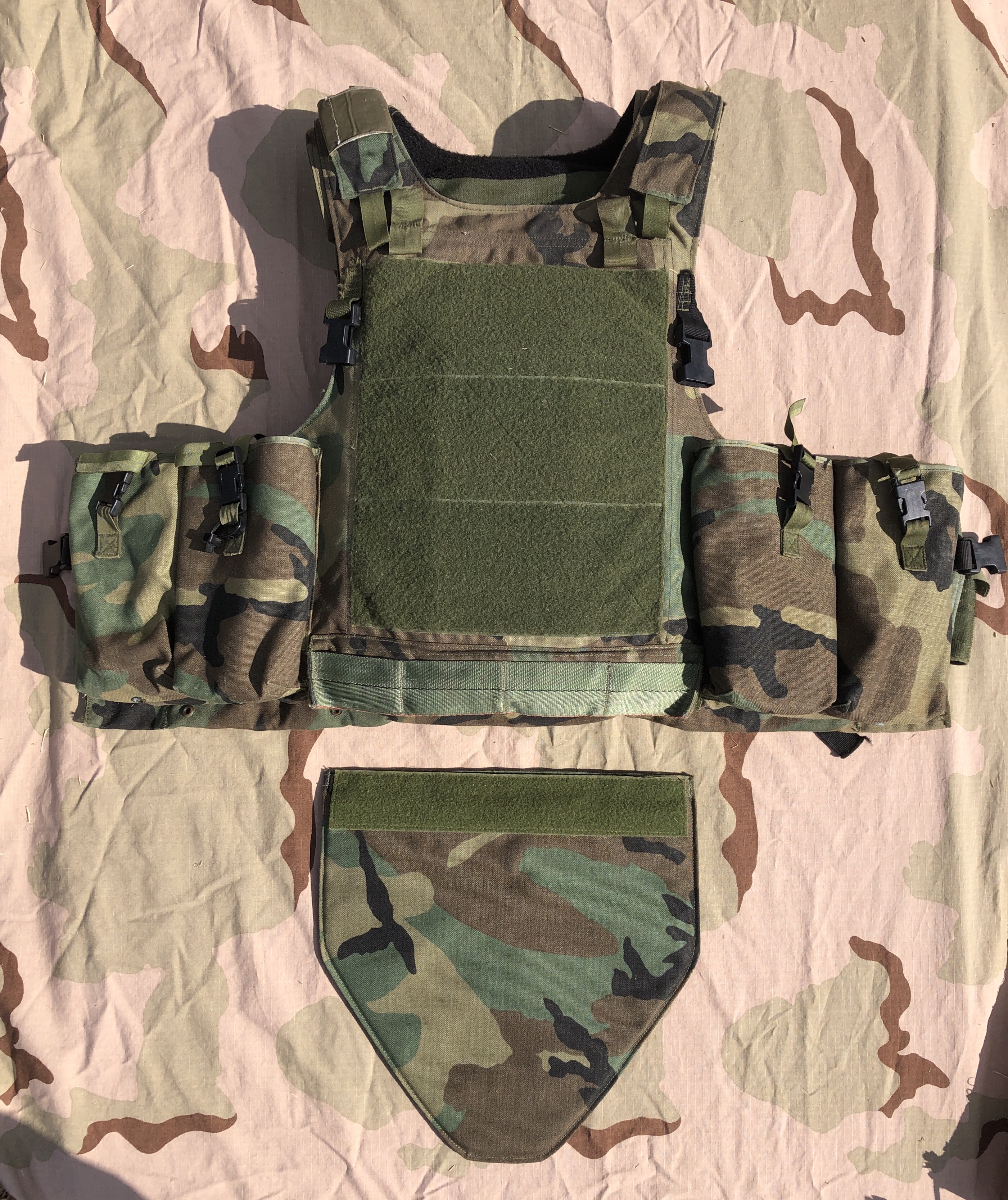
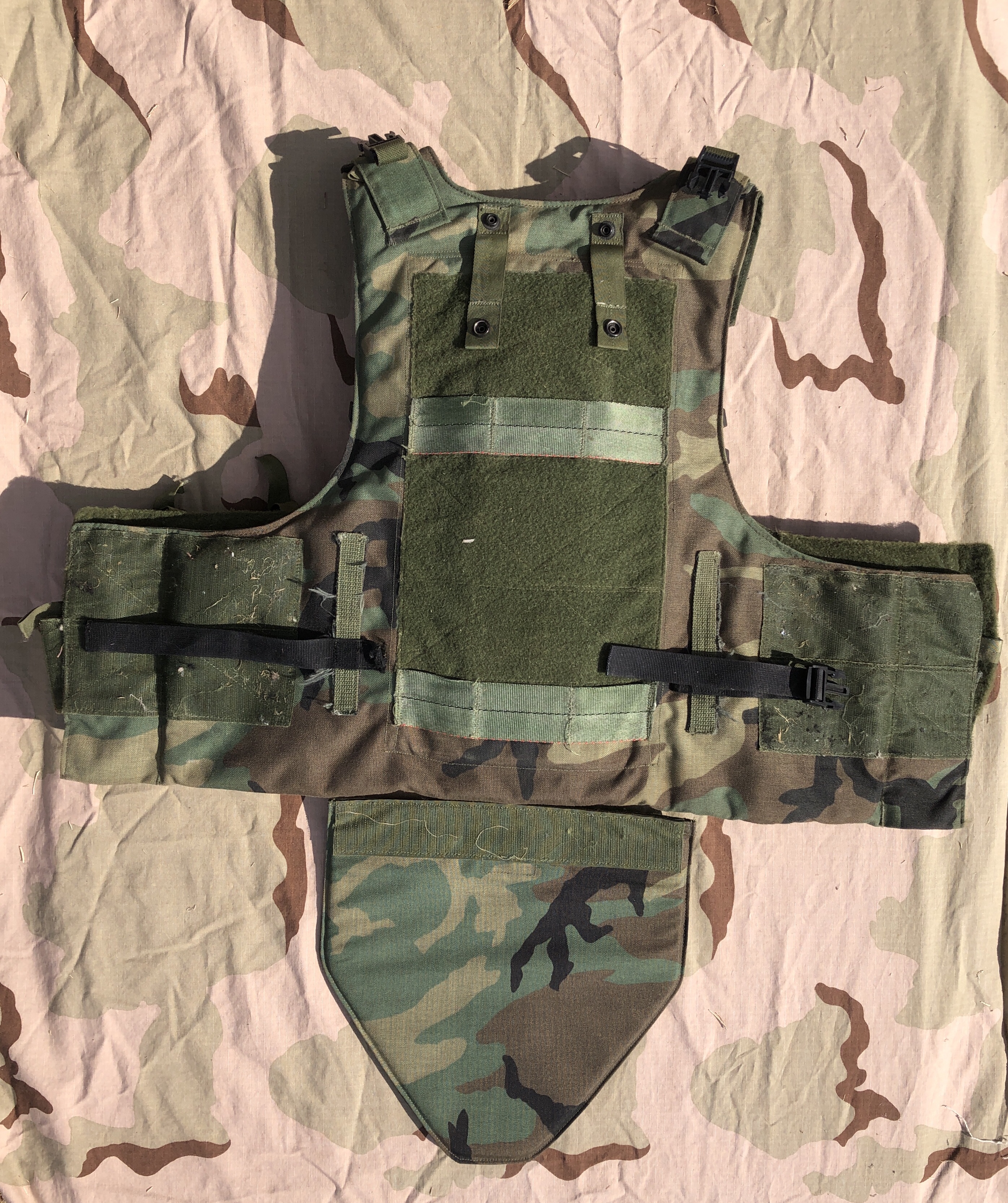
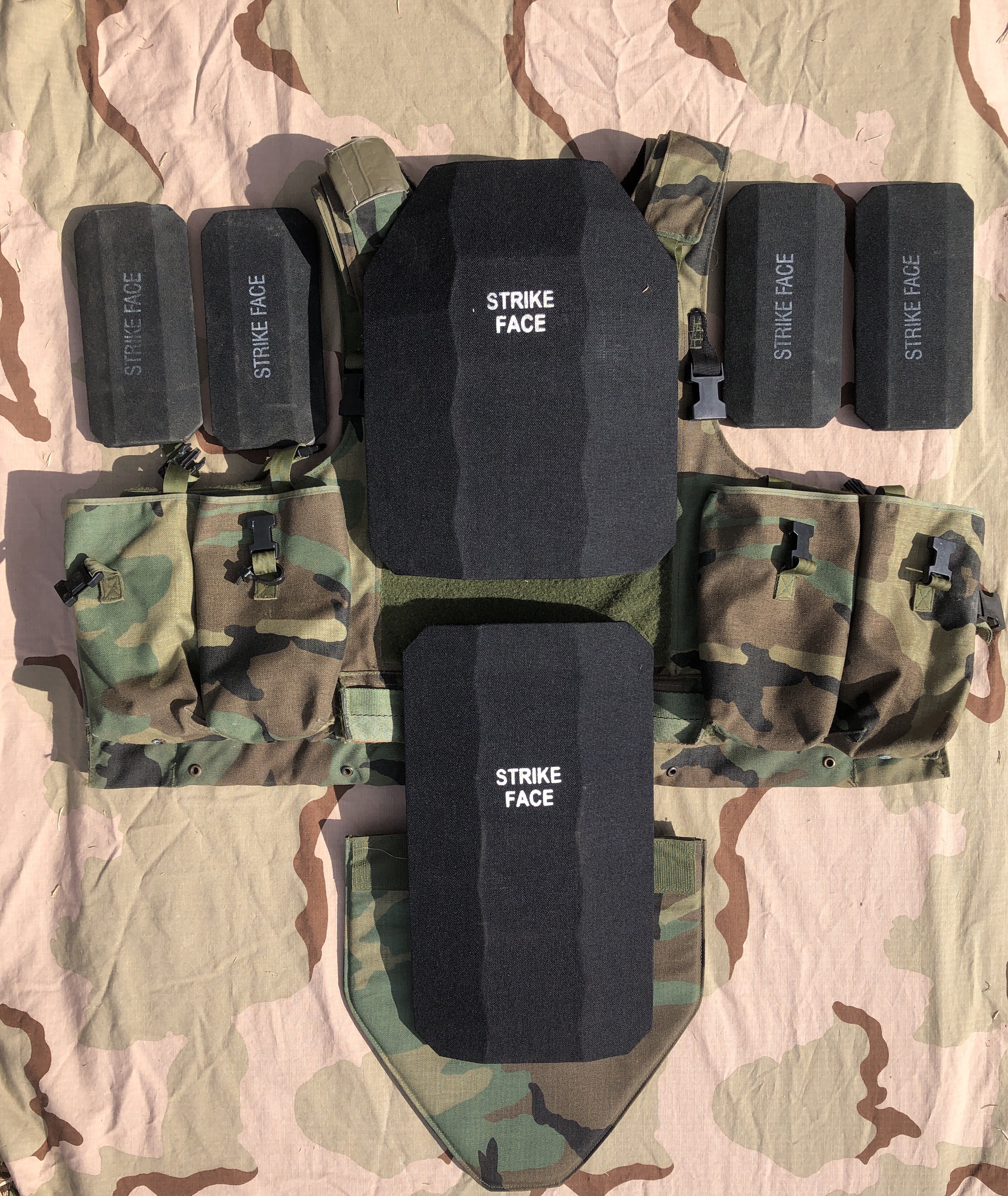
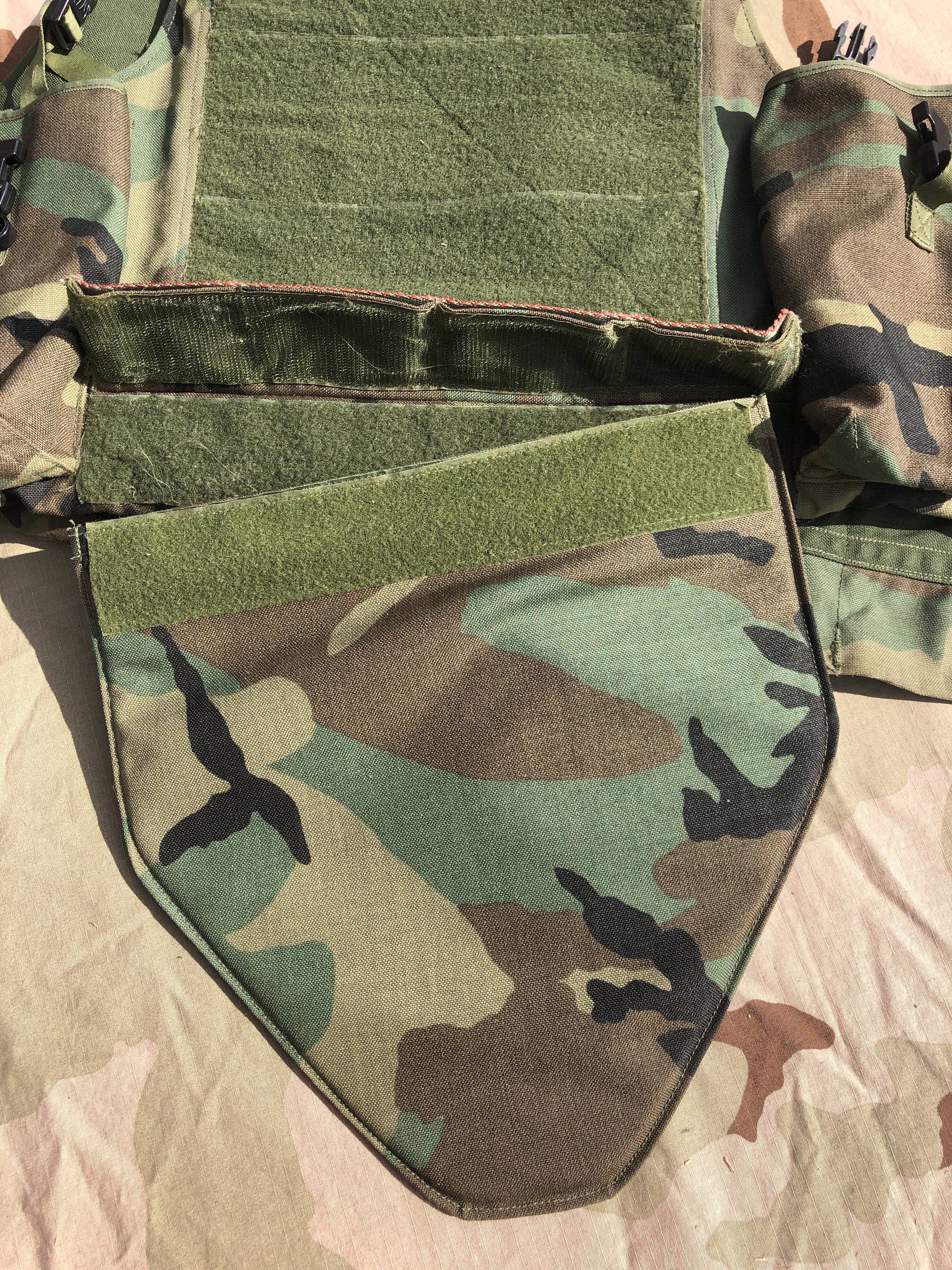
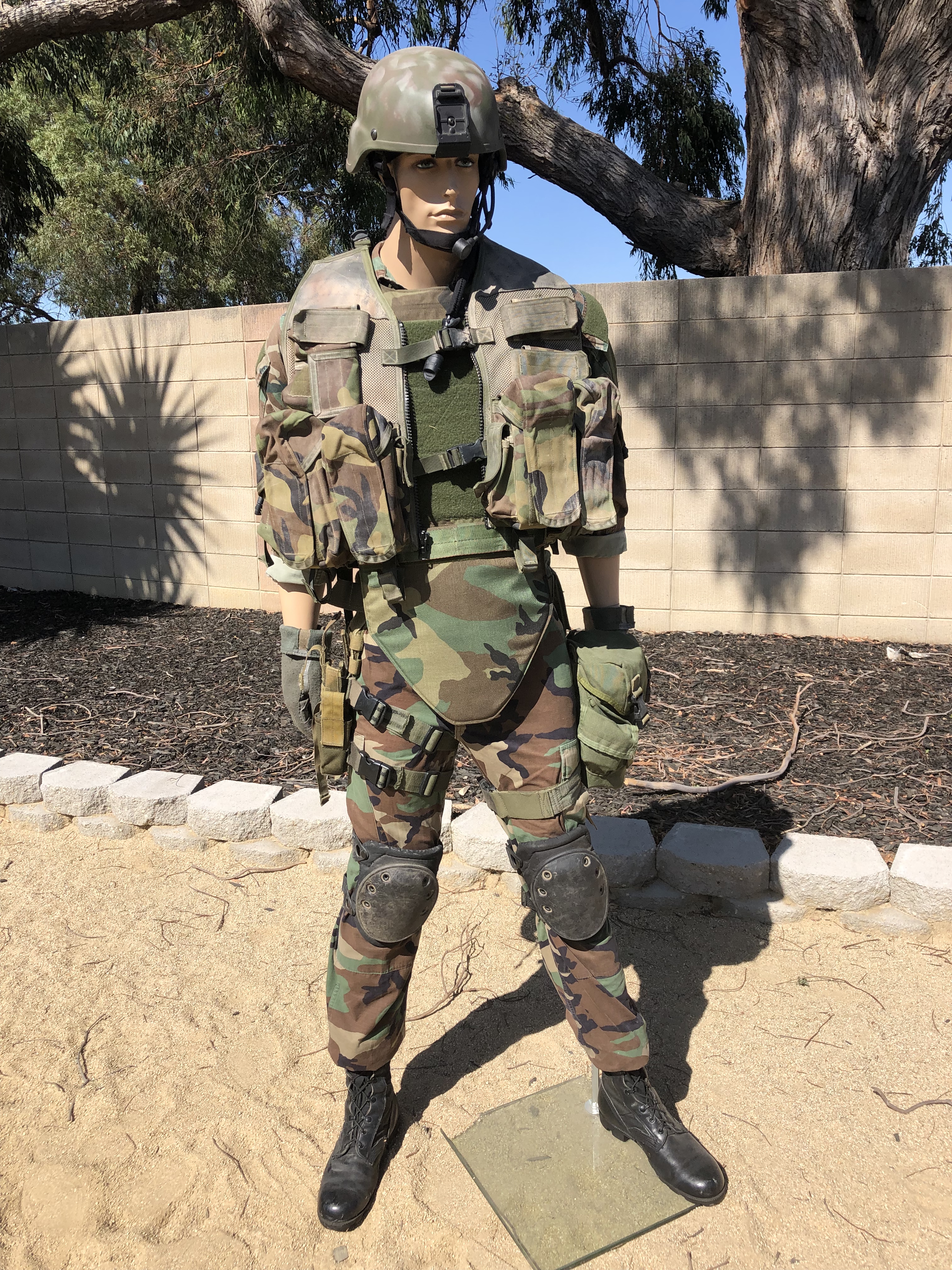
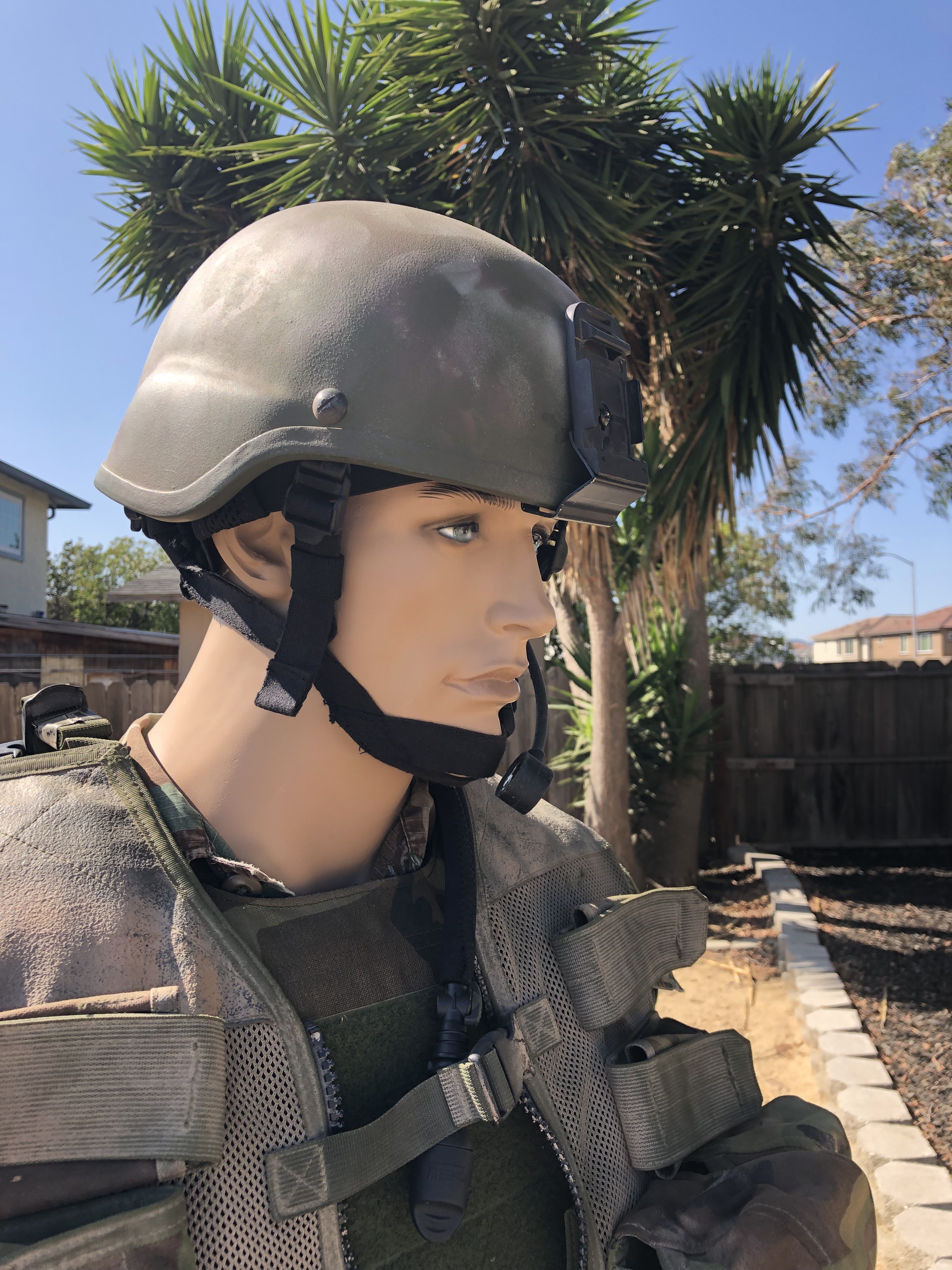
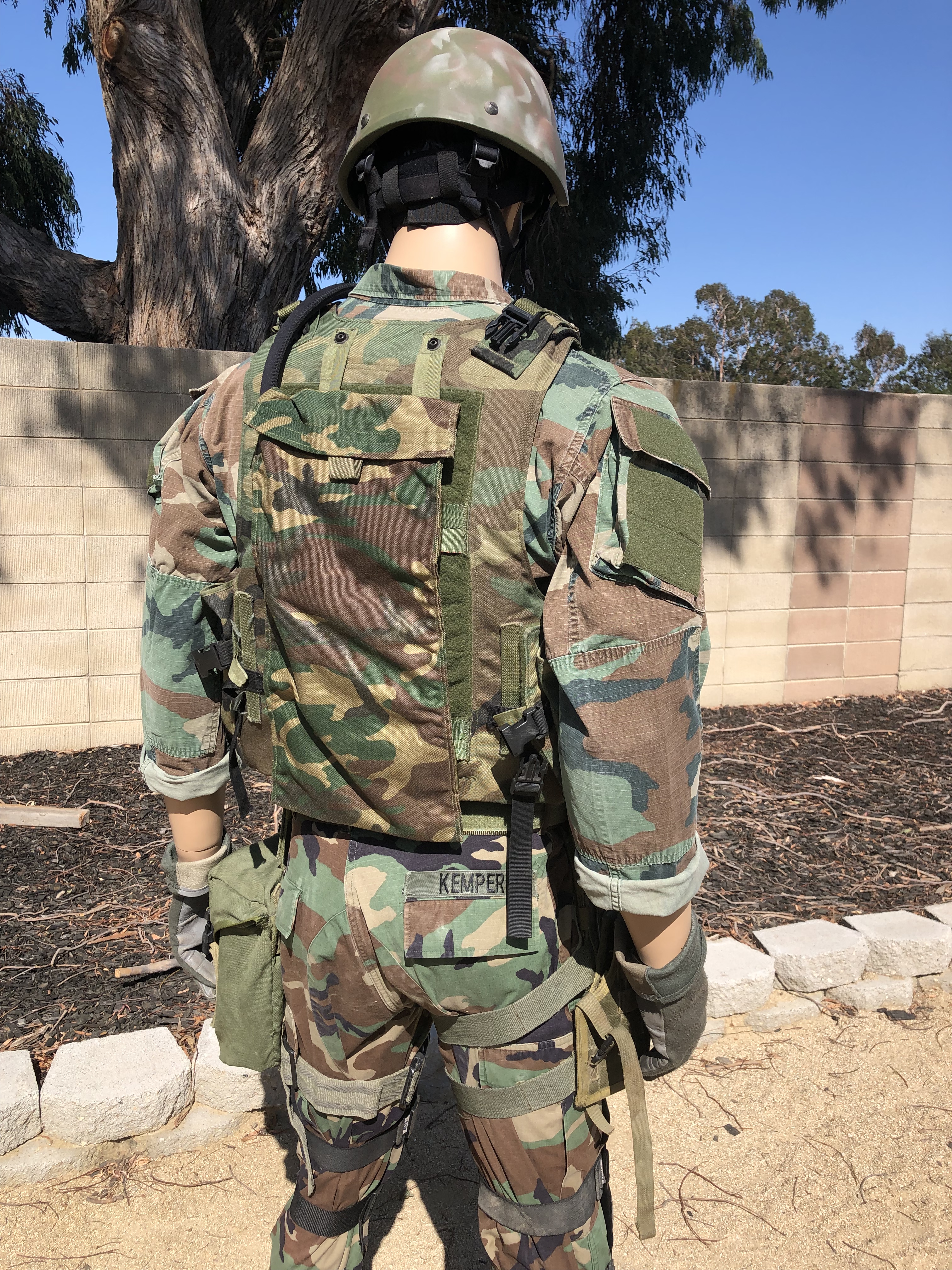
The Personal Ballistic Protective Vest or PBPV for short, was one of the most advanced body armor designed in late 1990’s, manufactured by Pointblank Body Armor, inc. It has soft armor inserts and six hard plates. It also has optional groin protector.
The PBPV was issued only to US. Army’s Direct Action/ Counter-Terrorism (DA/CT) units such as Delta Force and Special Forces Groups’ Combatant Commanders In-extremis Force (CIF) companies.
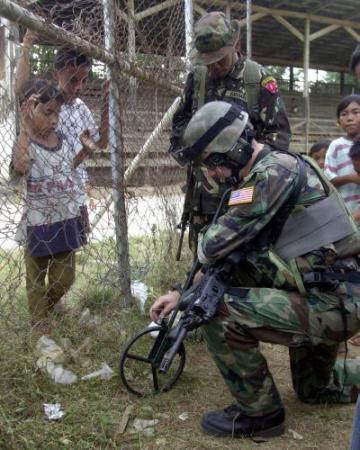
The PBPV has seen action from the Kosovo war, up to early Global War on Terror. PBPV saw limited uses in Afghanistan and Iraq, however, it notably saw action in Operation Enduring Freedom-Philippines when the 1st Special Forces Group (SFG) deployed to Philippines on January 2002 under the umbrella of Global War on Terror. The Special Forces troops assisted the Philippine forces by providing them Counter-Terrorism training and supported their operations against Al Qaeda afflicted terror groups; while did humanitarian missions. PBPV was seen worn by 1st SFG’s CIF company on that deployment.
The body armor in the collection is rather unique; it has been modified by operator. The cummerbund was cut off and buckles were added in its place for convenience and ease of use. Additionally, two buckles were added on top chest to accommodate the chest rig made by AWS, inc. (I don’t own one but actively hunting for one). The such modification was typically associated with CIF companies.
(Comment to airsofters and impressionists: Just because there are modified examples, it doesn’t mean you should cut up and modify the original PBPV cummerbund! Those are rare enough already.)
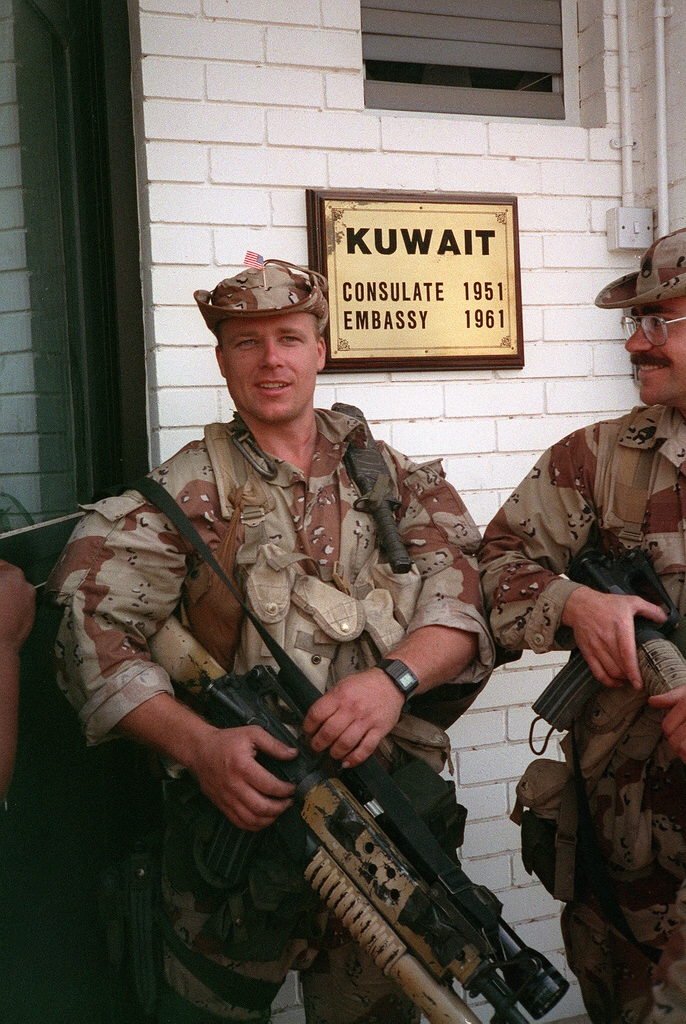
The Load Bearing Vest (LBV) in desert tan color was issued to US. Army Special Forces and Delta Force. The LBV at the time was considered as high speed, and was issued exclusively to US. Special Operation Forces, and very few conventional units had the luxury. Those LBVs were only available in woodland camouflage pattern. In early 1980’s US. Military started to get more involved with the Middle East, as a result they needed LBVs in desert tan to match the environment, so limited number of tan LBVs were made by the manufacturer, American Body Armor. It was first seen used by US. Army Special Forces and Delta Force during Operation Desert Shield/ Operation Desert Storm (The 1991 Gulf War). The ABA LBVs eventually saw some action in Afghanistan after September 11, 2001 (Operation Enduring Freedom) with the 5th Special Forces Group. Few men from the ODA 595 (Well-known as “Horse Soldiers” or “12 strong” from book and film) were seen wearing them, based on actual photos.
This is a unique case where Desert Storm display is included on this page due to the long history of this piece of gear.
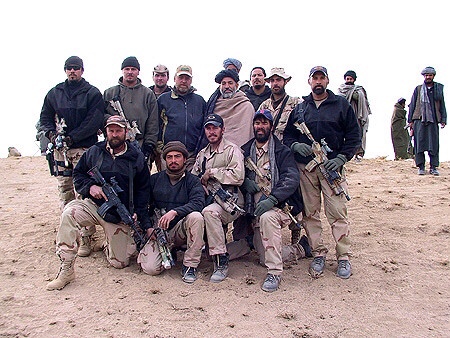
After the attack on the World Trade Center on September 11, 2001, US. Army Special Forces were one of few first US units to be deployed to Afghanistan, at the time, under control of Taliban regime, who offered the safe haven to Al Qaeda, the terrorism group responsible for the 9/11 attack. The Special Forces worked closely with Northern Alliance Fighters (predecessor to Afghan National Government, the alliance consisted of multiple different tribes who rivaled Taliban and Al Qaeda). Special Forces soldiers needed to blend in with the local population and Alliance fighters, so instead of their standard issue equipment and accessories, they opted for equipment/ clothes/accessories popular in Afghanistan such as Chinese made AK chest rig, traditional pakol hat, and shemagh. They even grew beards.















 GWOT museum