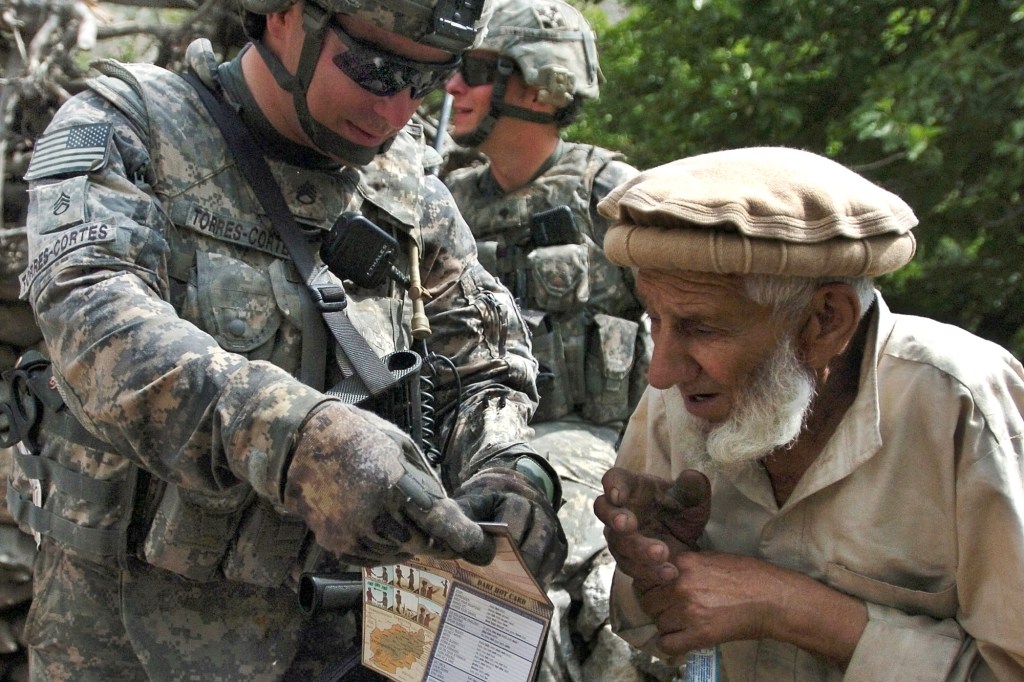


US troops were issued language translation smart cards small enough to be carried in pocket. It typically would include translations of important keywords in languages of the region; as well visual illustrations to point out; and some cultural information that would help troops to interact with local population. Those can be useful in circumstances an attached interpreter is not available on a patrol.


There are many varieties of those. I am always in search for more.


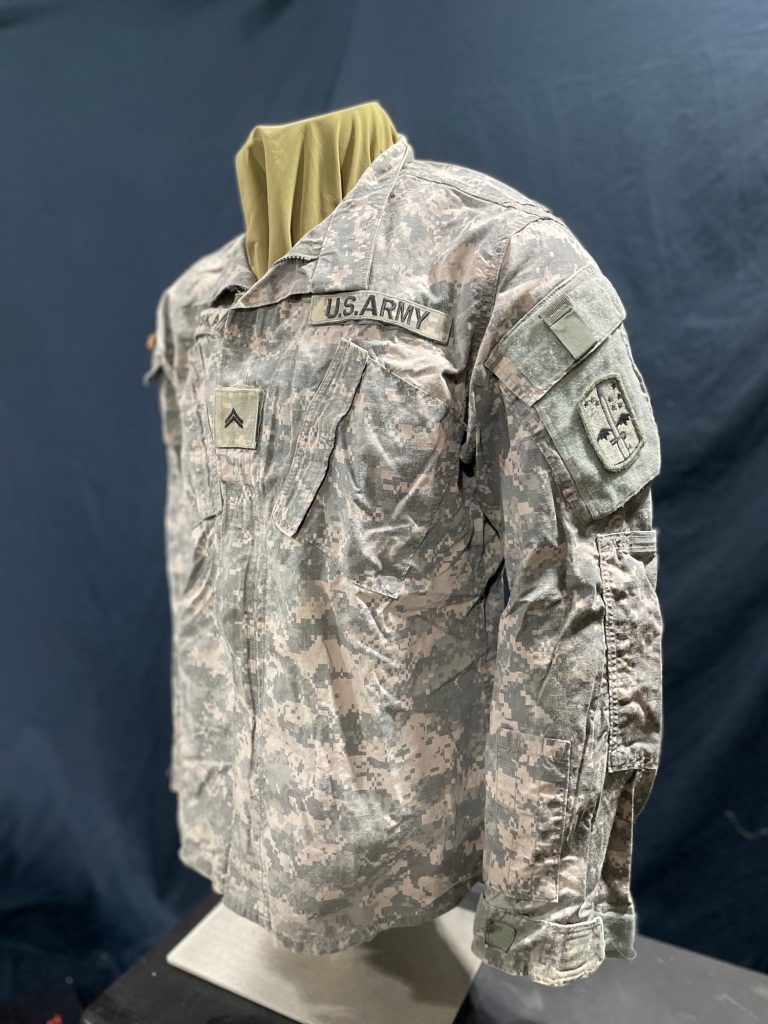
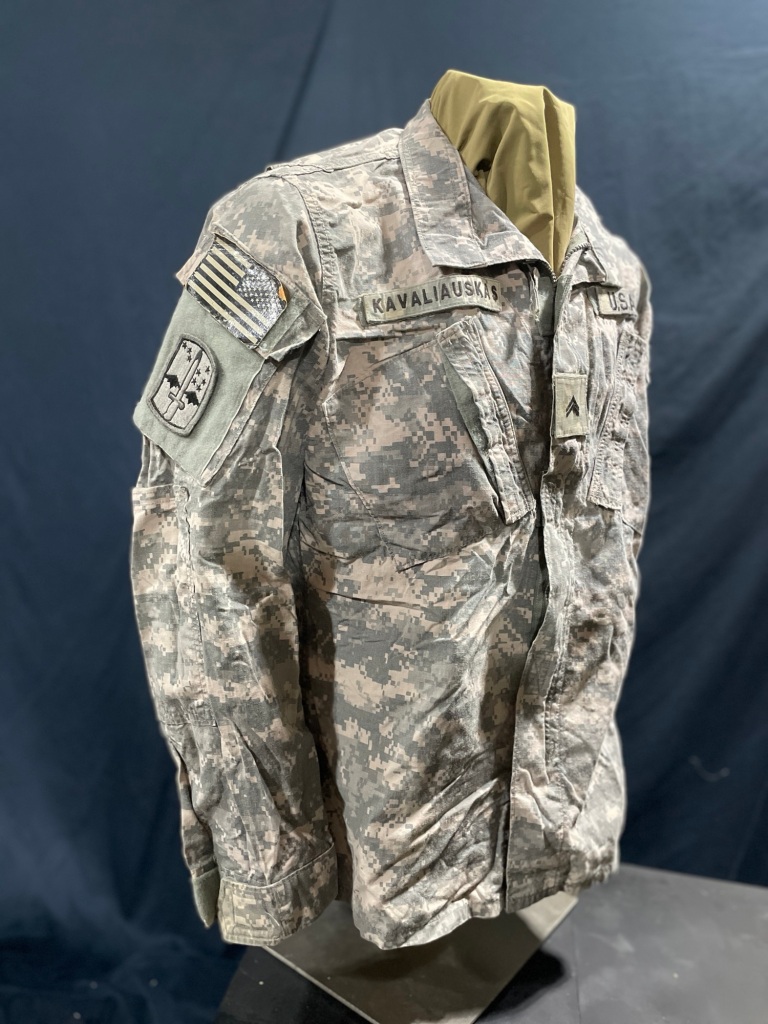
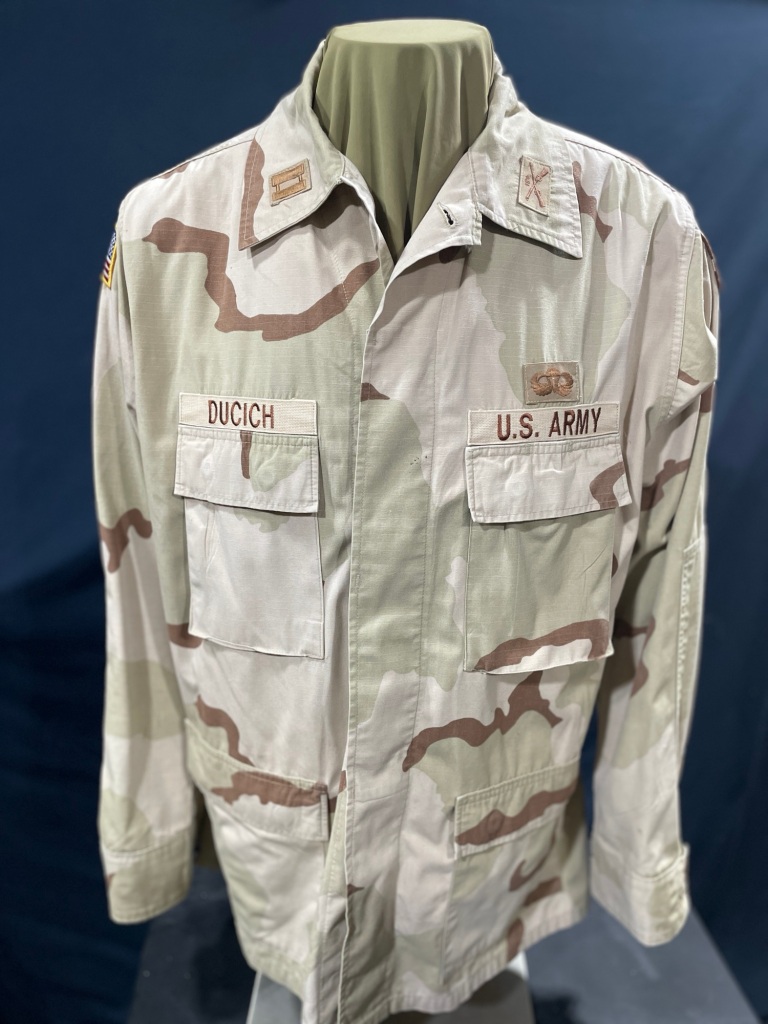
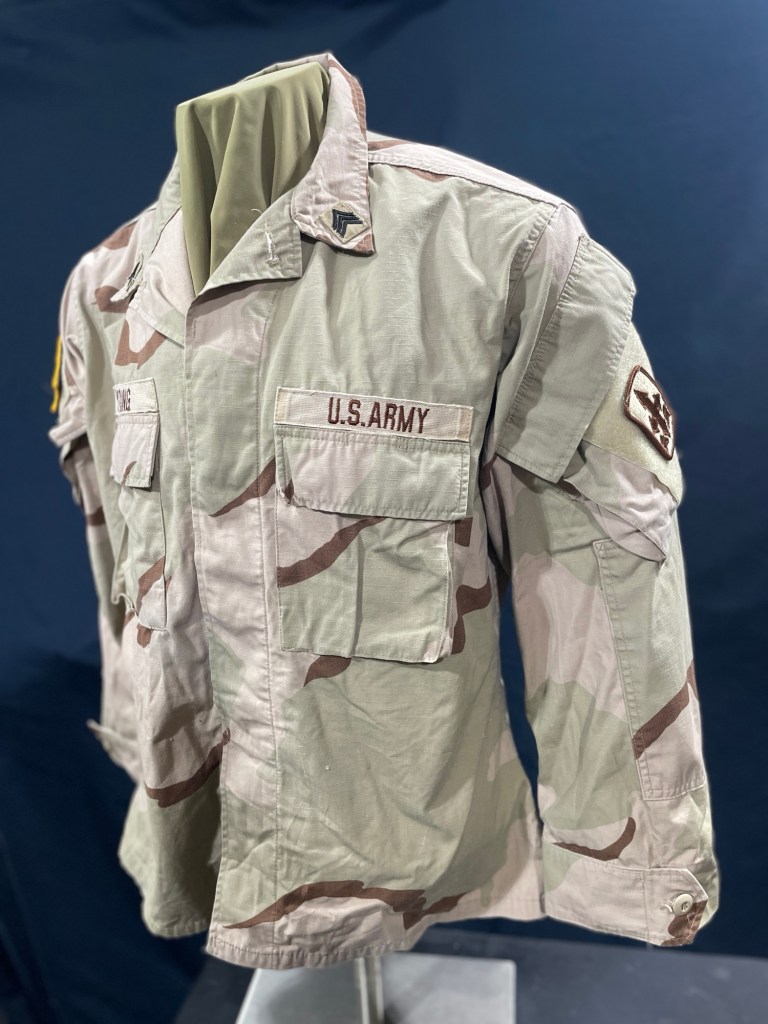
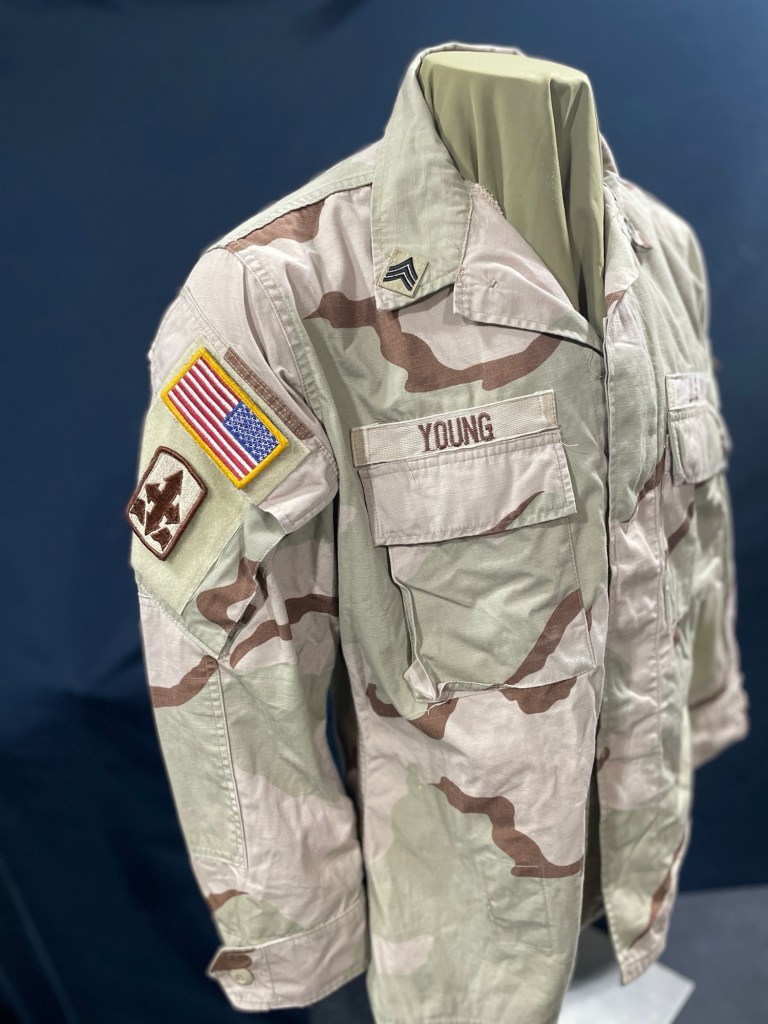
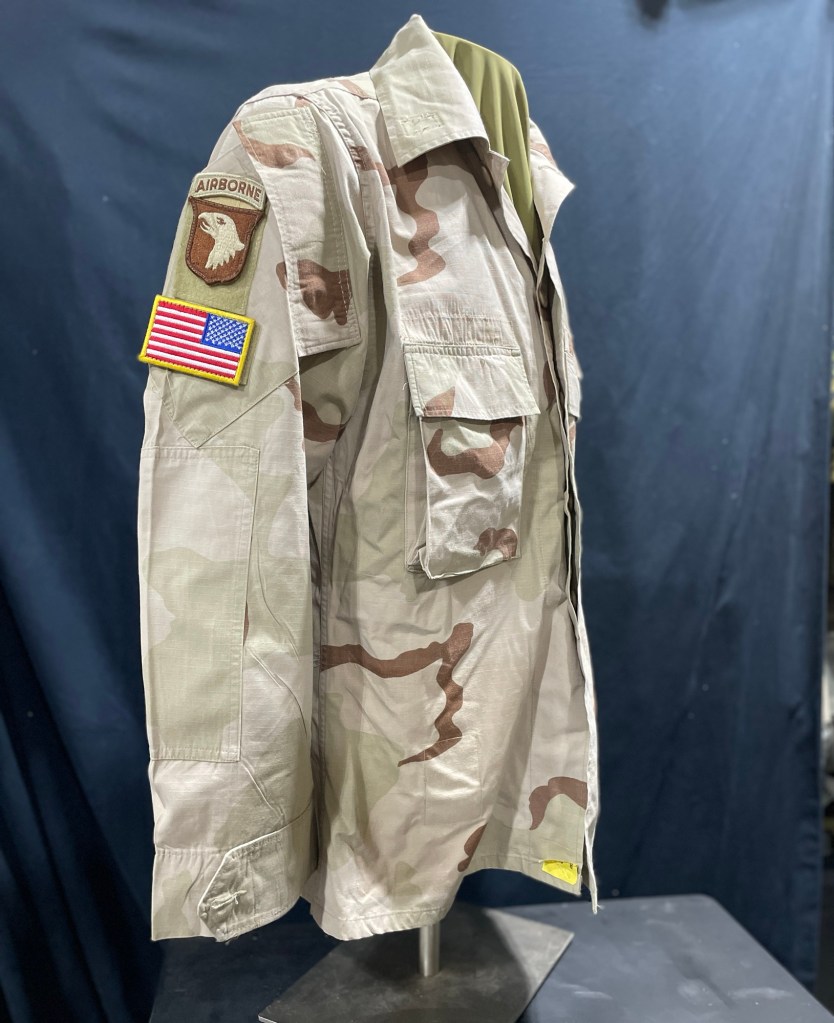
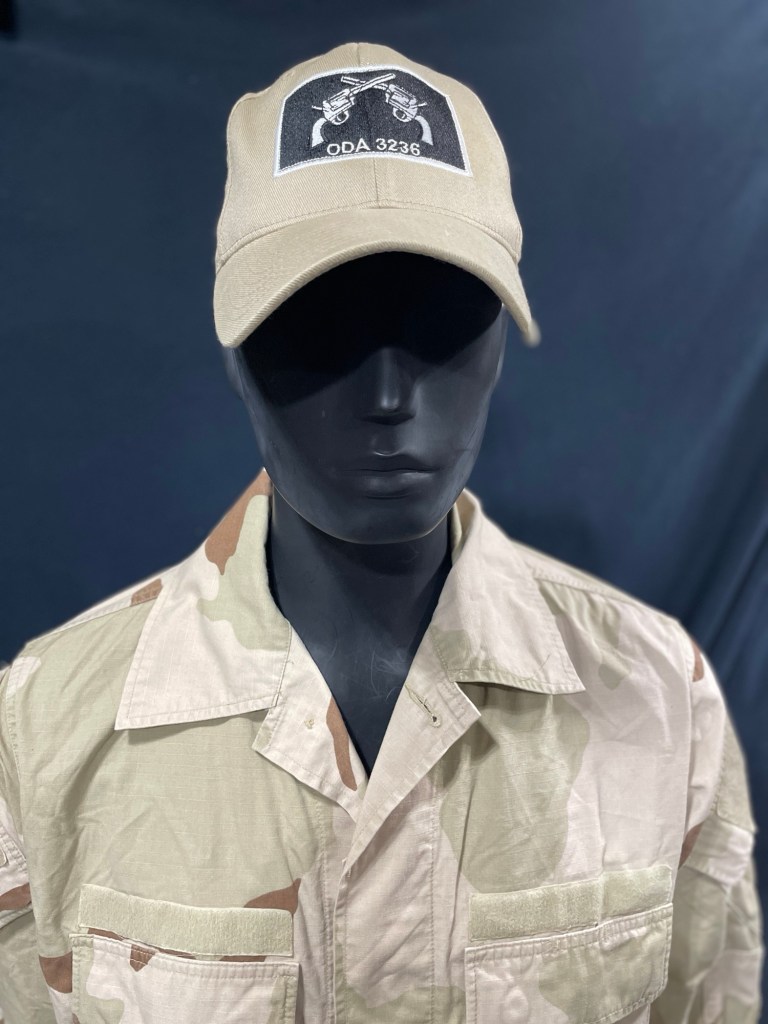
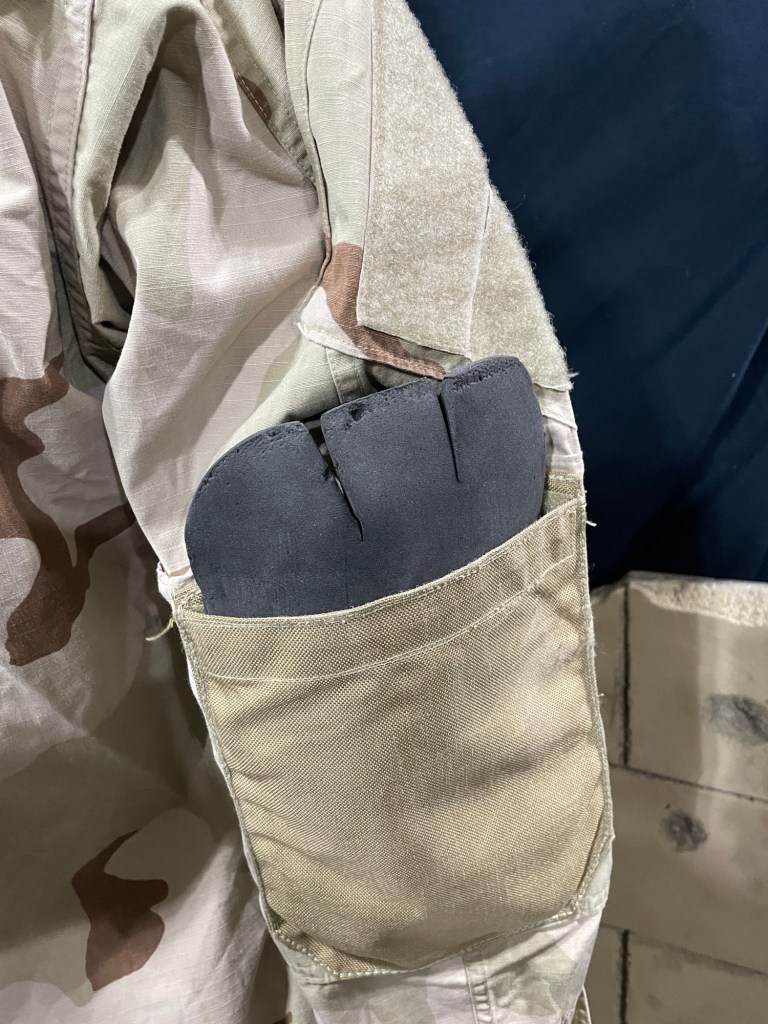
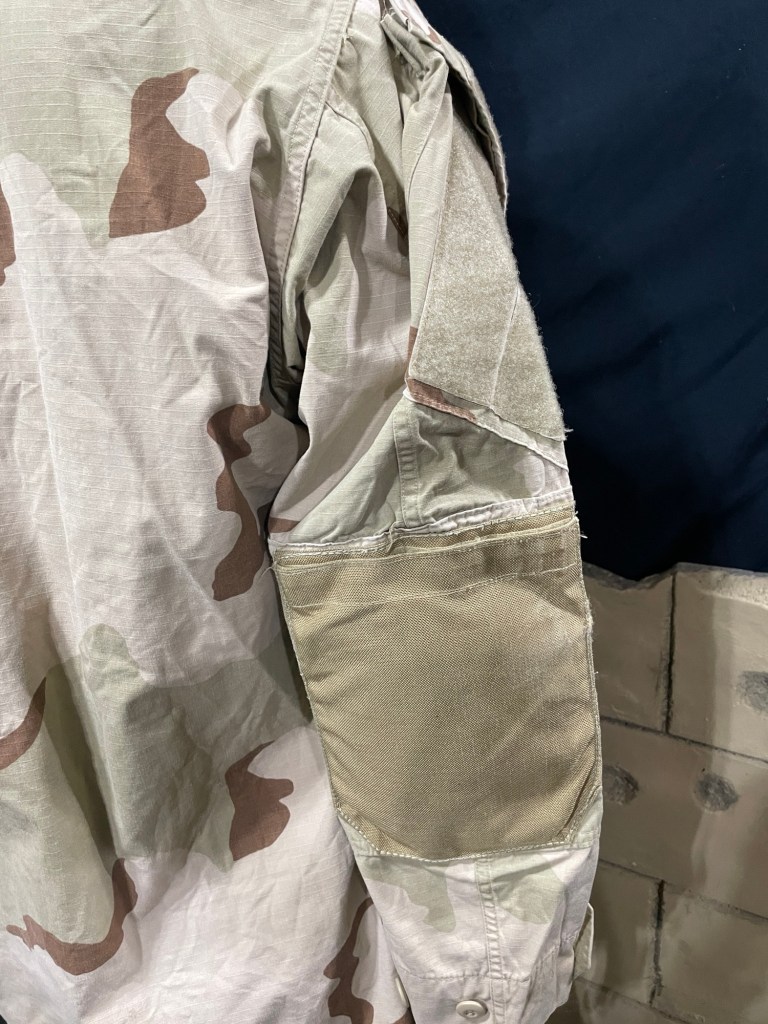
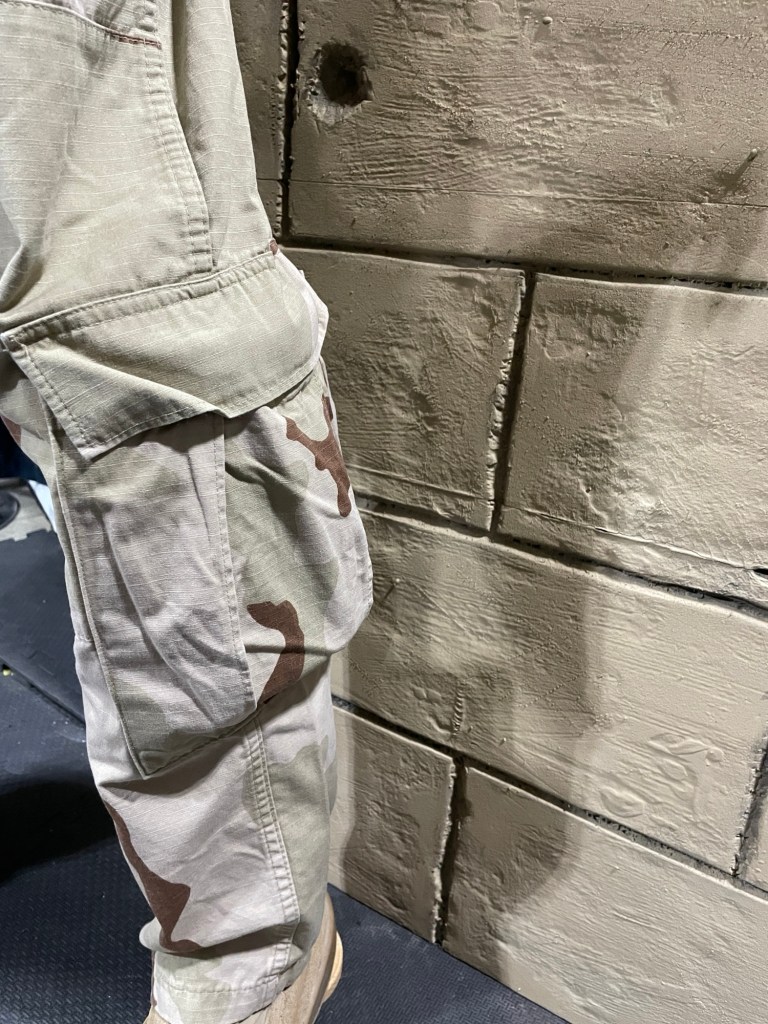
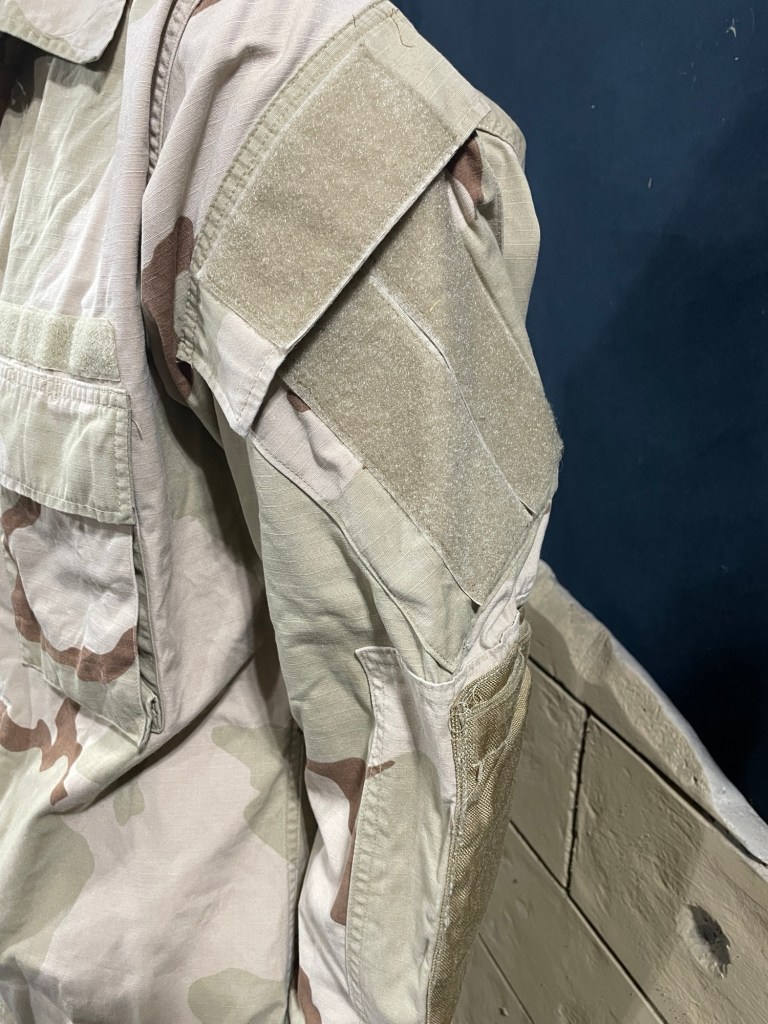
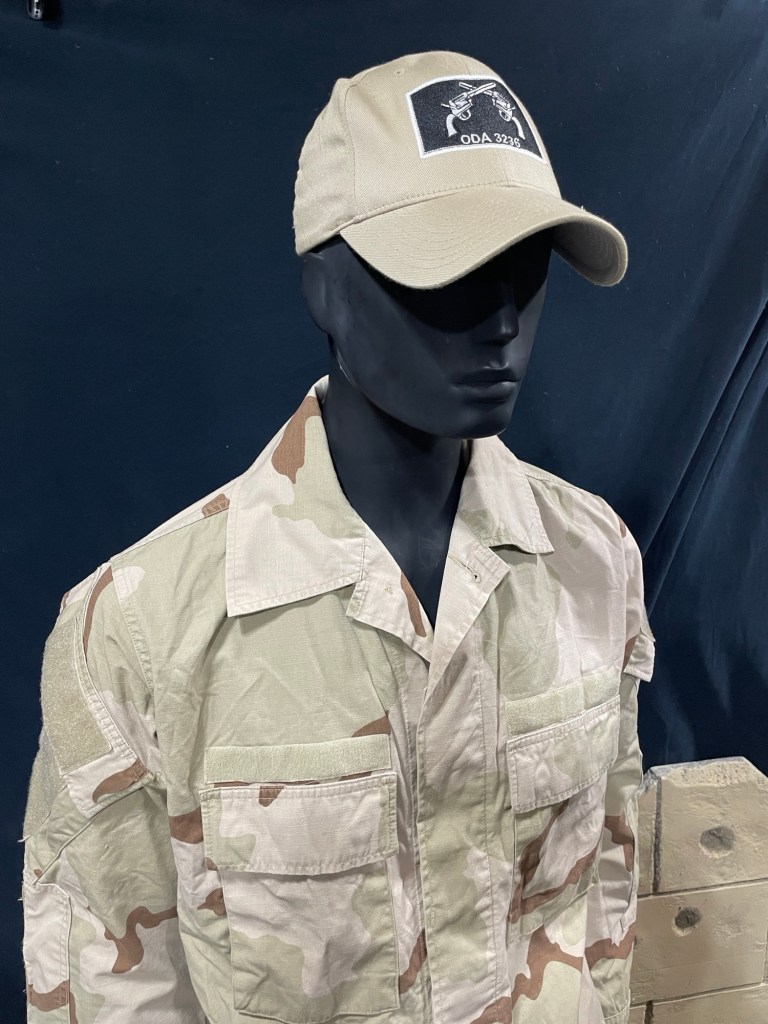
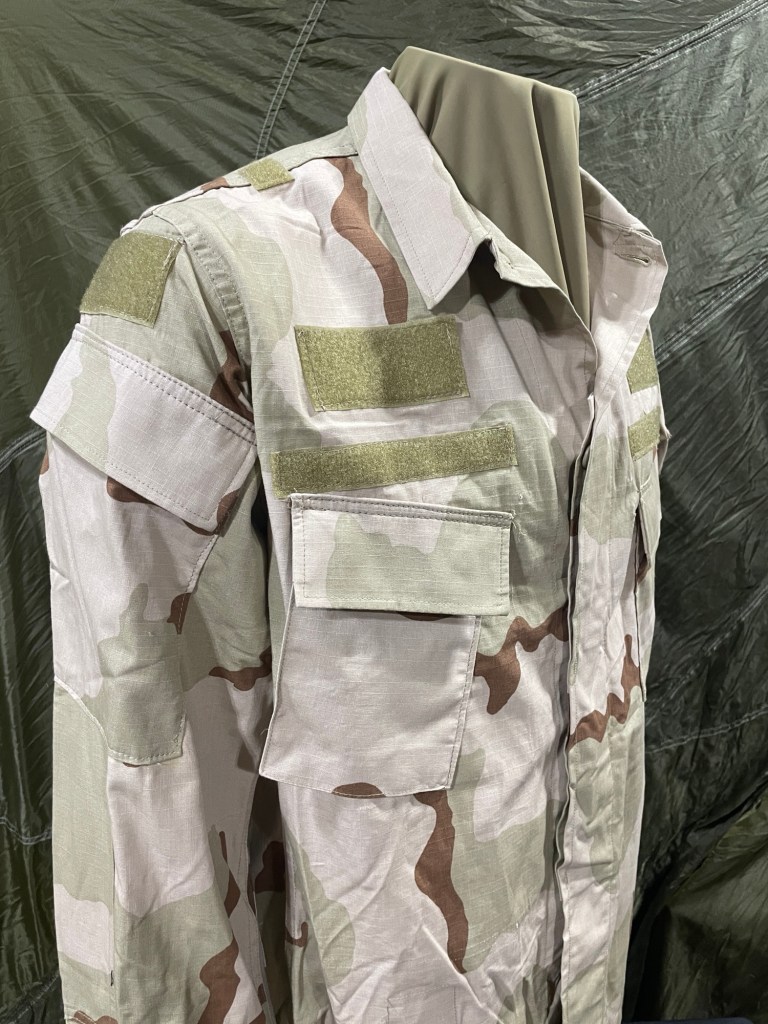
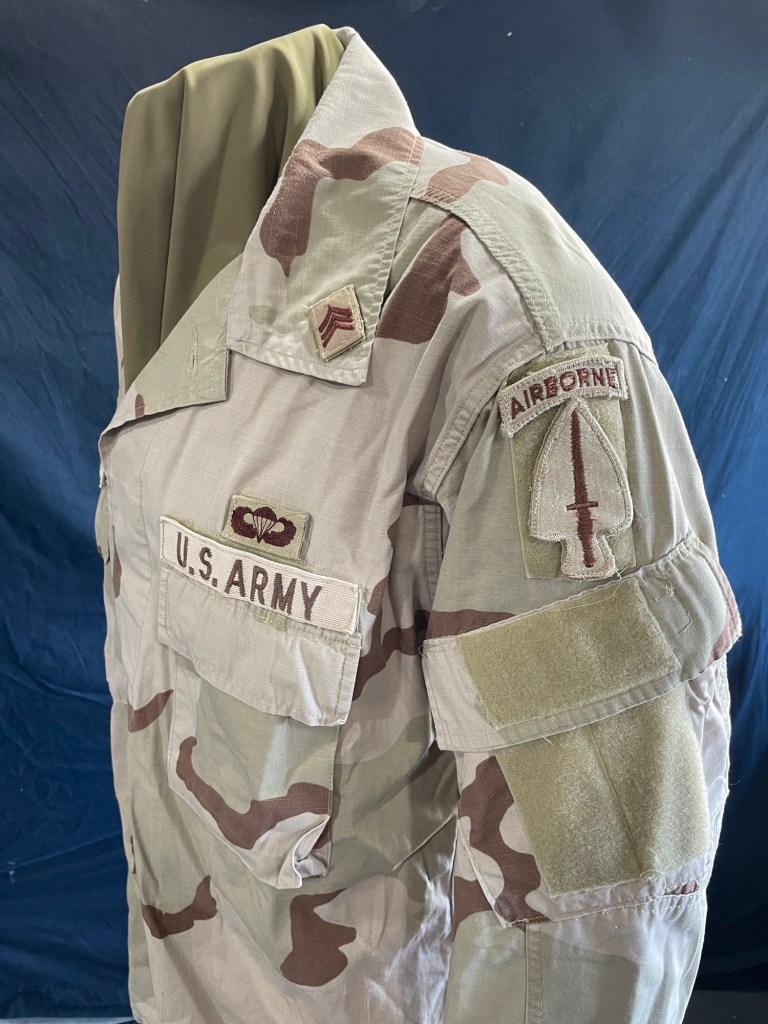
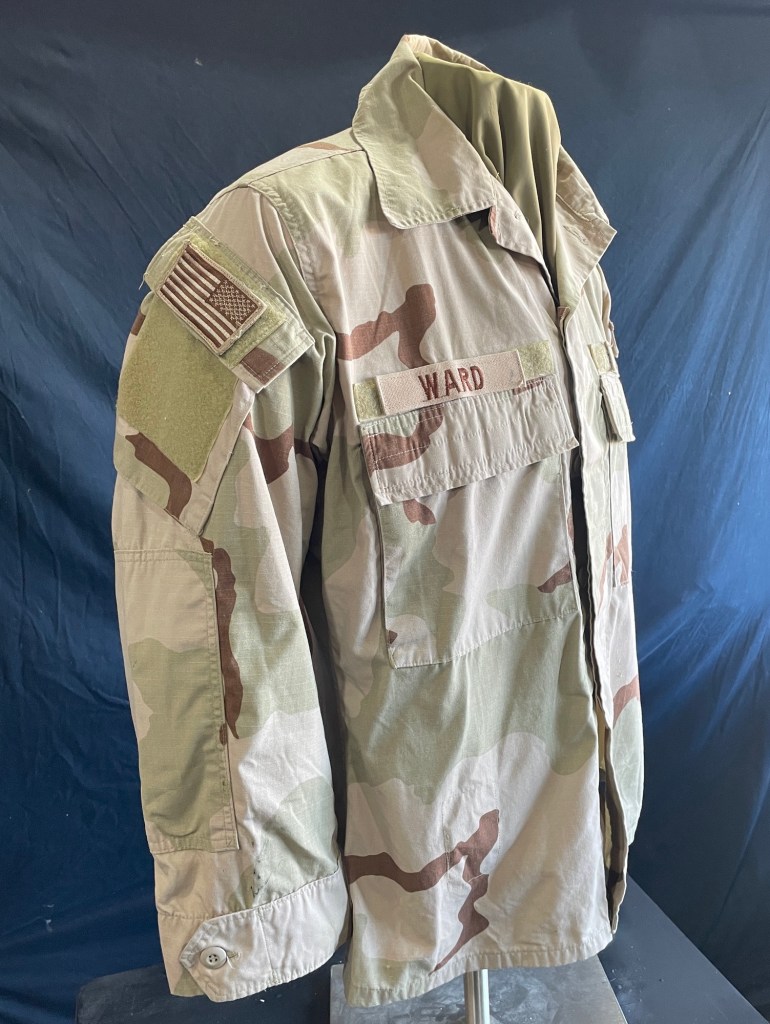
Two examples of “Panzer mods” DCU. We came up with name due to the fact those were modified at the shop at Panzer Kaserne. Typically 10th SFG wore those. There are also exists tan velcro example which isn’t shown here. Panzer mods were most commonly seen worn in Africa (OEF-A, for advisory role) as well few instances in Afghanistan and Iraq. The black velcro one is currently in Paul Arnold‘s collection. The OD green velcro currently in my collection is named to the soldier who was severely wounded in Uzbin Valley Ambush in 2008. He was one of the 7 to receive bronze star with V device.


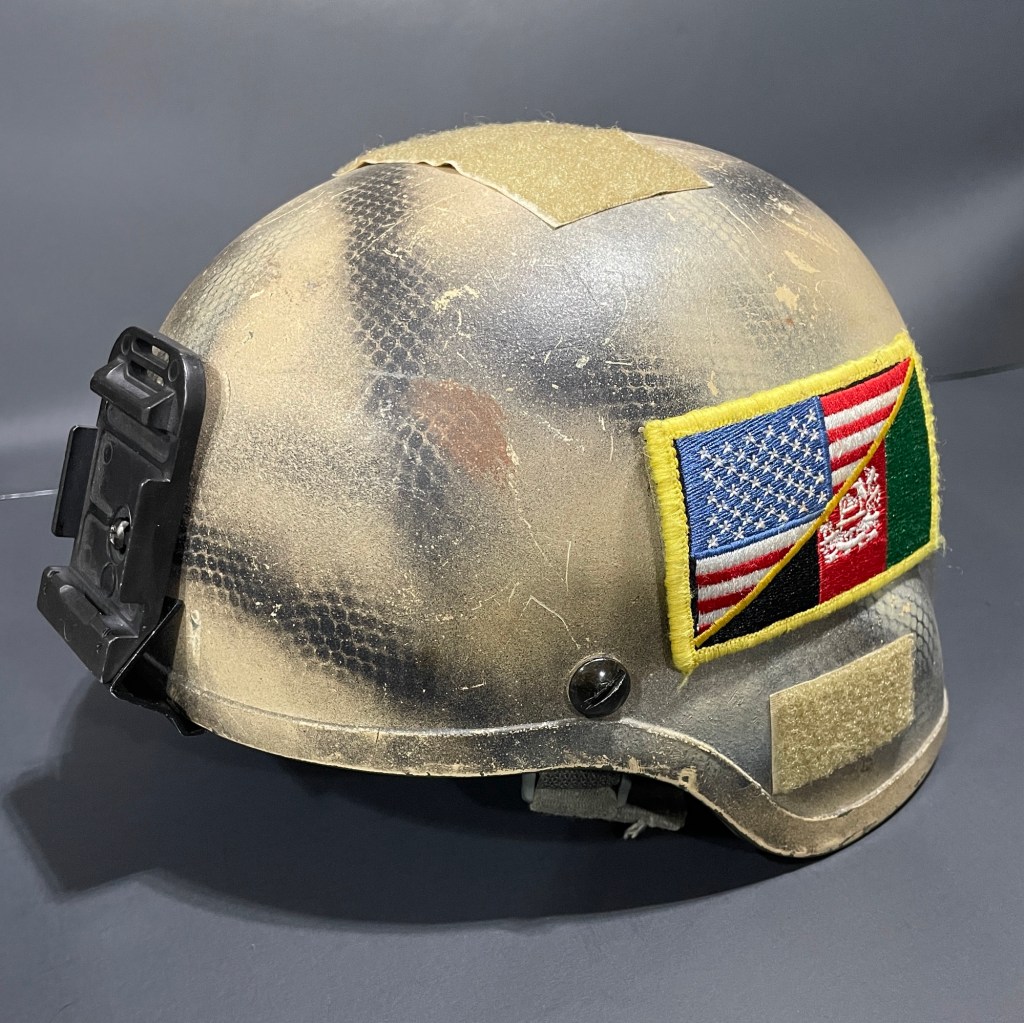
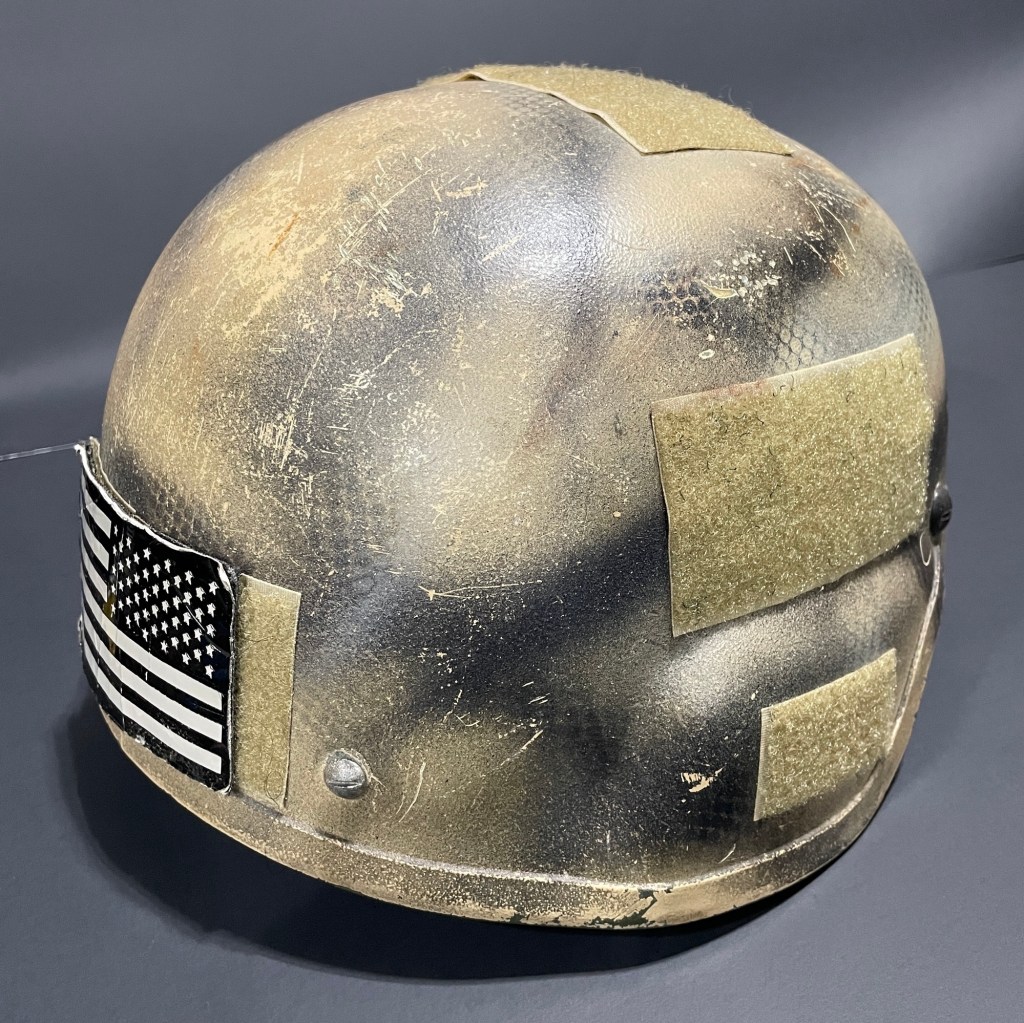
ACH worn by a support personnel with the 3rd Special Forces Group from 2011 to 2016. The helmet saw three deployments to Afghanistan.


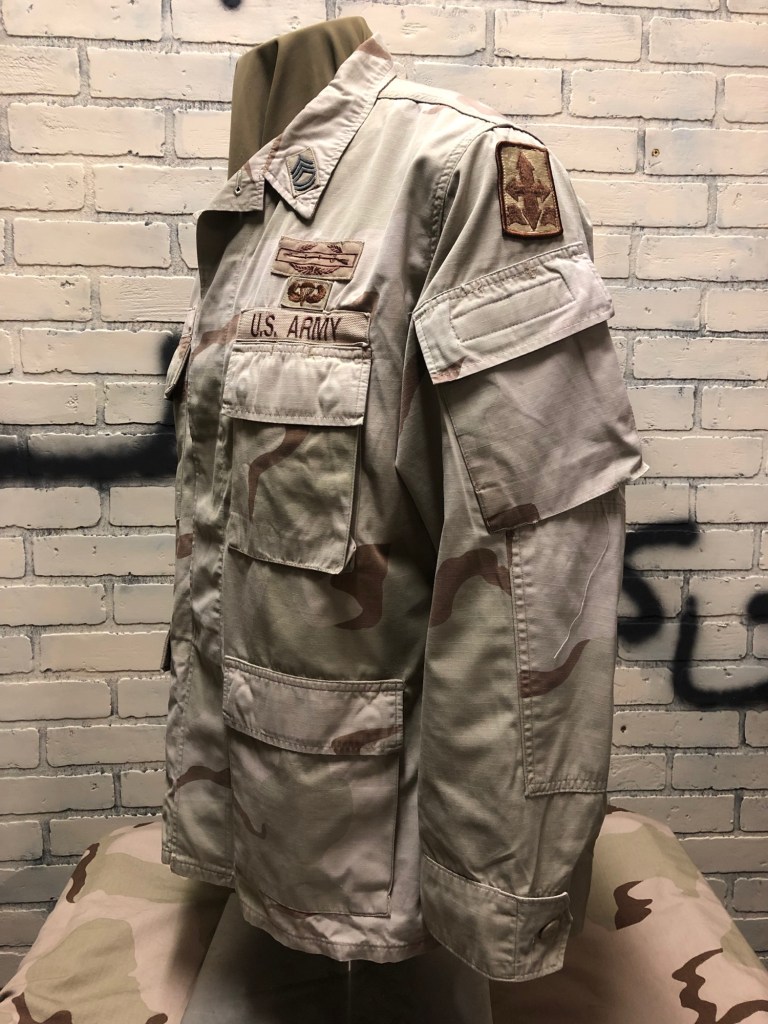
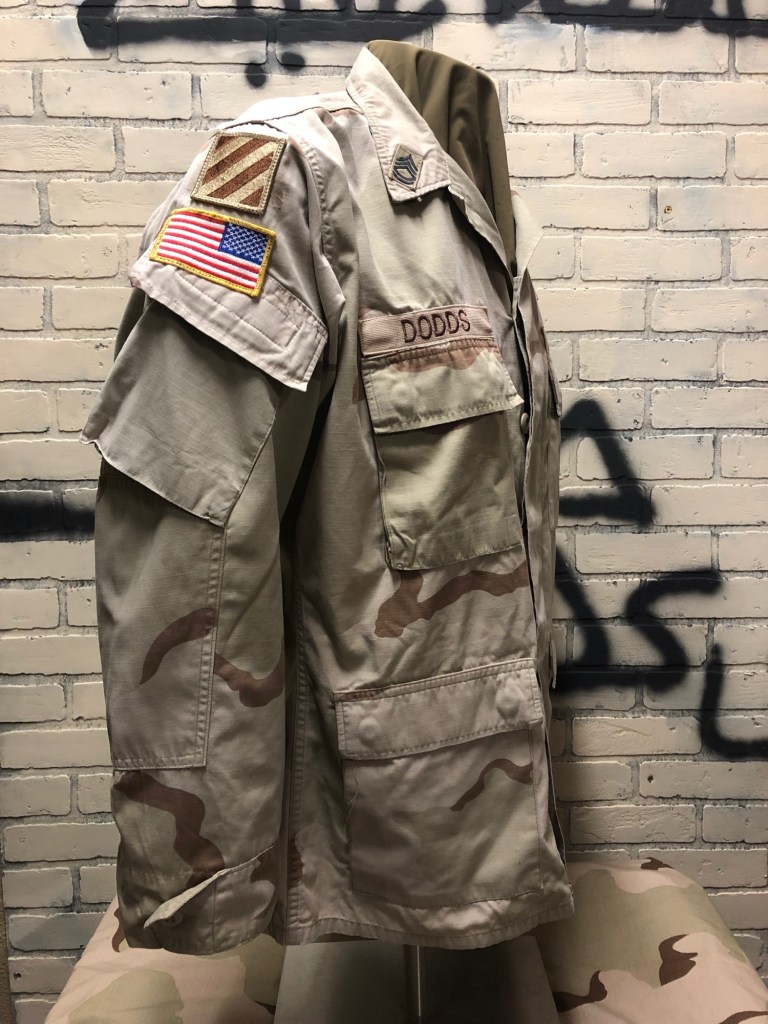
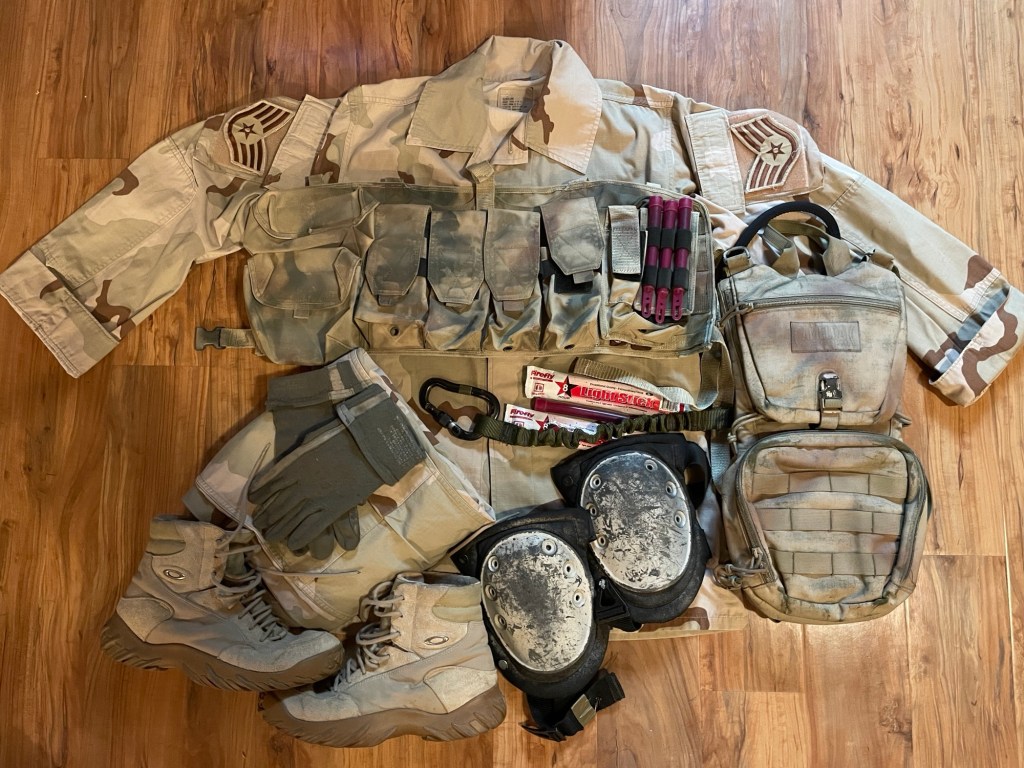
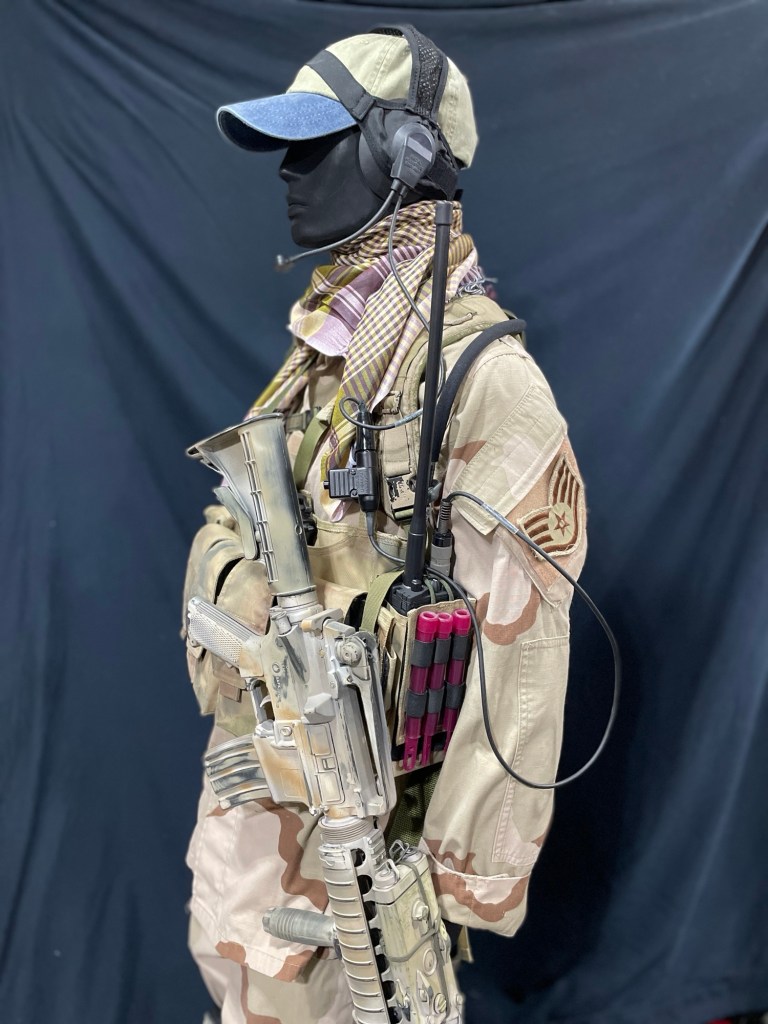
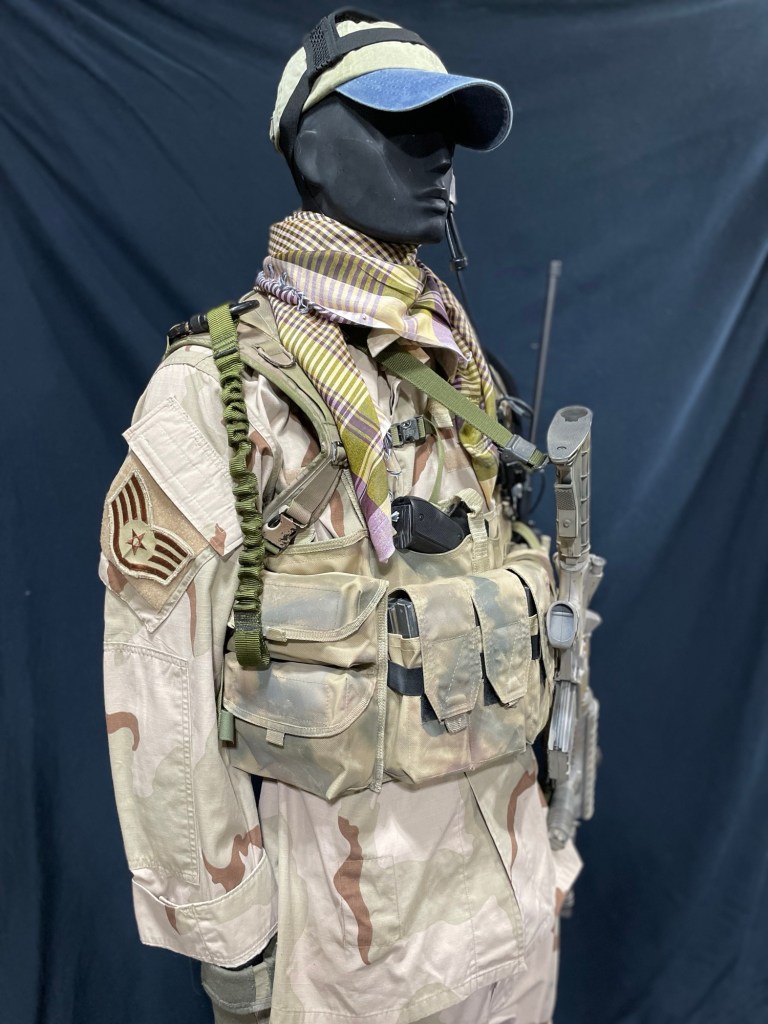
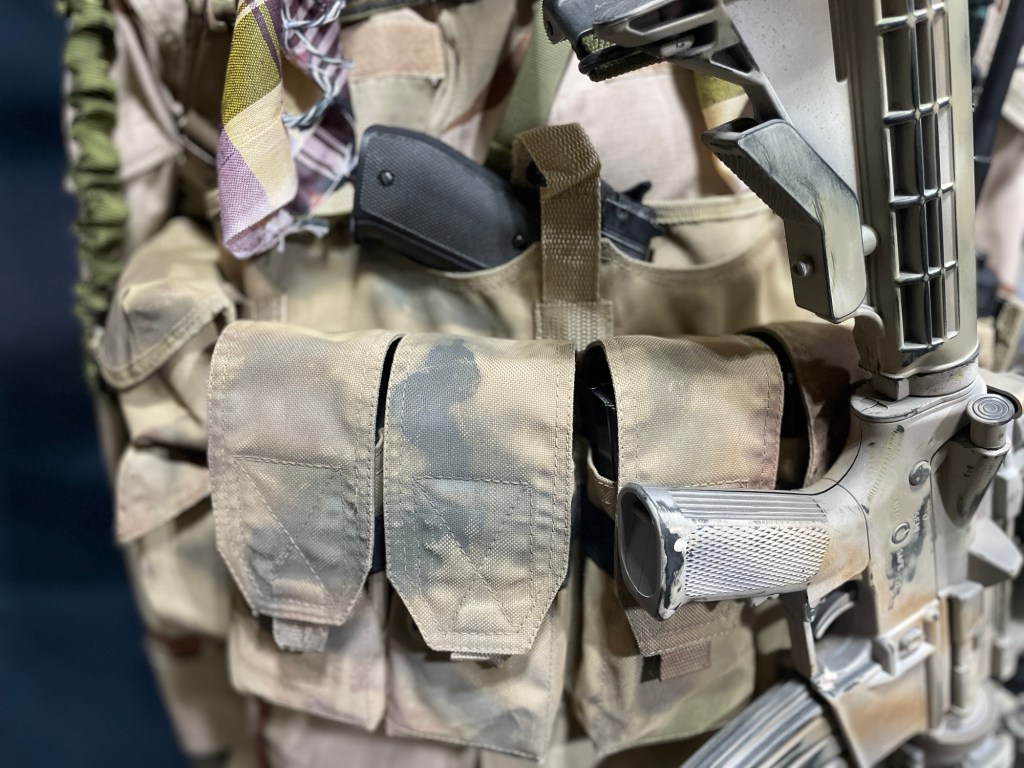
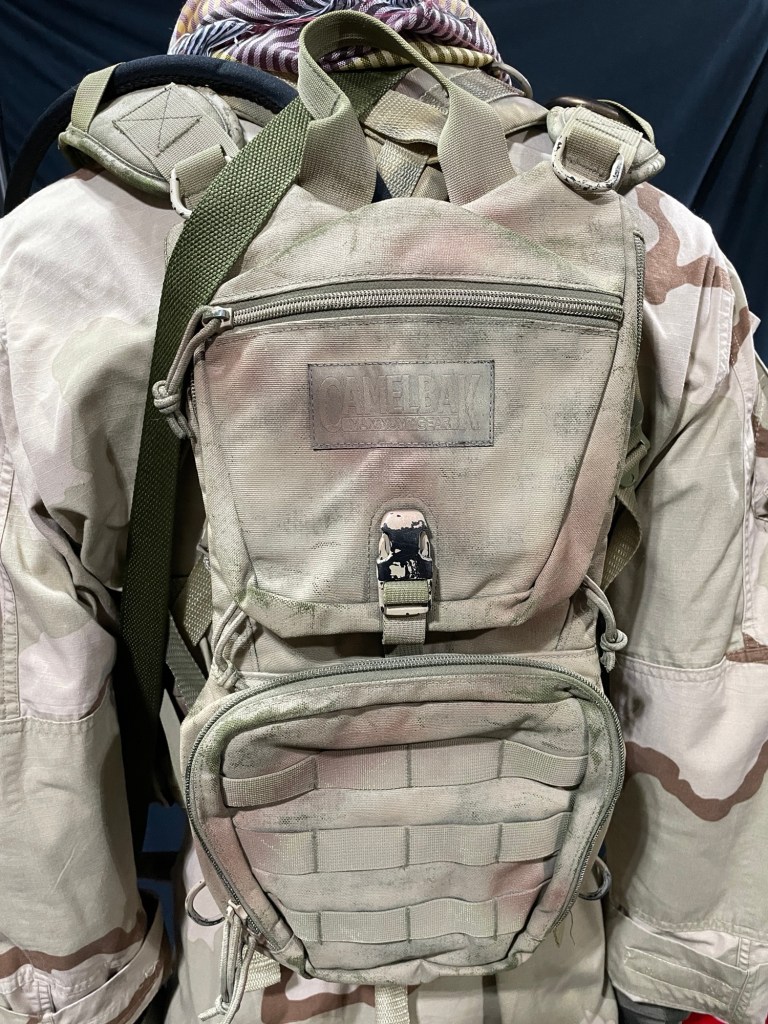
A nearly complete set from TACP airman. The modified DCU has SSGT ranks velcro’ed. The chest rig is Afghan made. Most of gear was spray painted tan to blend in environment better.
Note: I didn’t acquire this lot directly from the veteran so history is unknown however, based on equipment and uniform, my best guess for period is 2004-05.


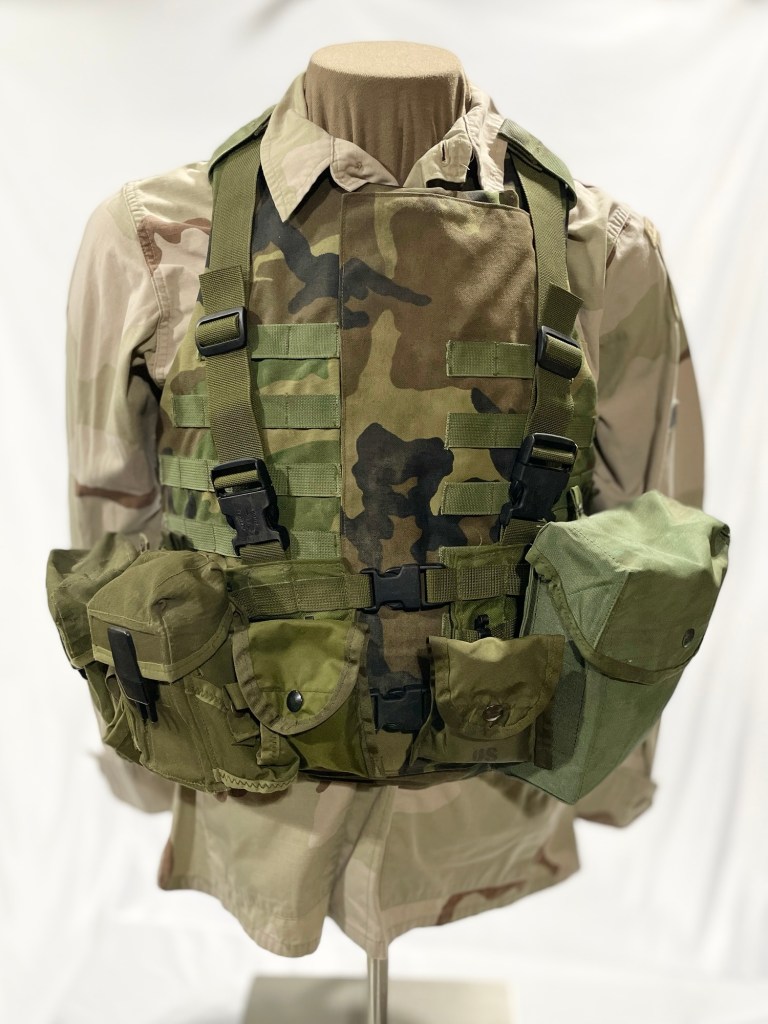
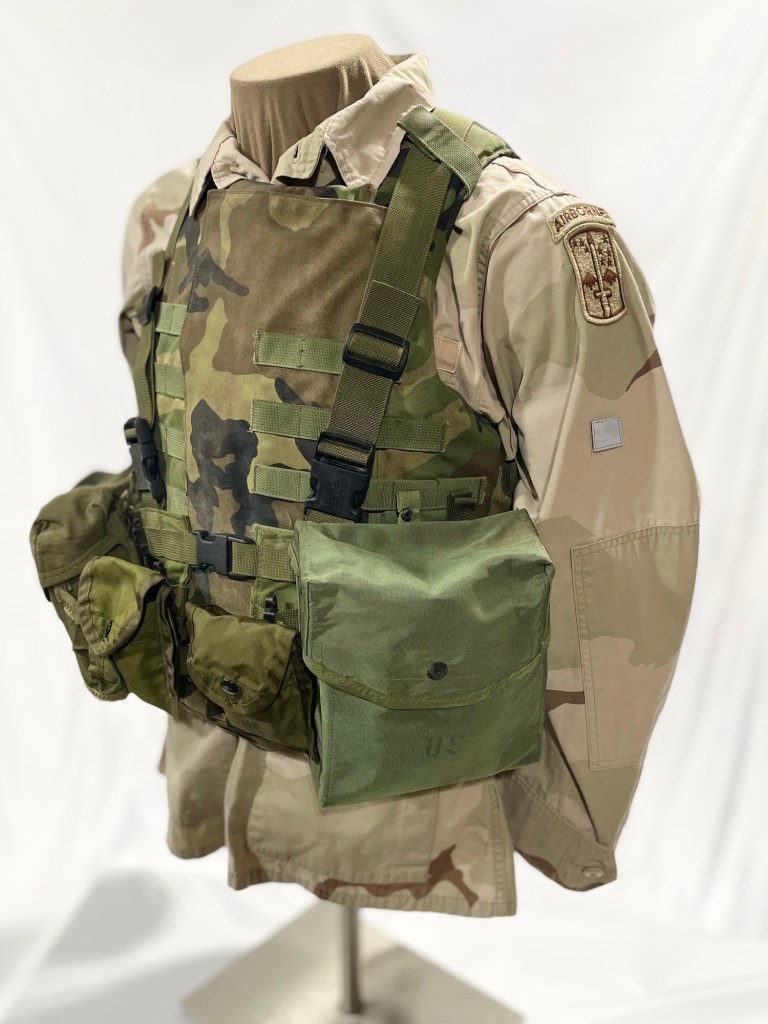
This DF-LCS LBE was produced by Eagle Industries for USAF Security Forces Squadrons. On this set up: 3x double ammo pouch, 1x double ammo pouch with buckle, 1x IFAK pouch, 1x MBITR pouch, and 2x canteen/utility pouch. Not shown: Safariland drop-leg holster.


This display shows an equipment as worn by Force Recon Marines during the invasion of Iraq. They conducted reconnaissances, assault, hunt for high value targets, as needed for Marine Air-Ground Task Force.


This display shows an equipment wore by Force Recon.
-Desert camouflage SARATOGA suit.
-MICH helmet with NVG mount.
-Full Spectrum Battle Equipment (FSBE): The kit specifically designed for the Force Recon. It includes Amphibious Assault Vest, leg panel, pouches for ammo, frag, flashbang, individual first aid kit, etc.
-Safariland holster for M45 MEUSOC pistol (Recon’s variant of 1911), they typically would have extended magazines for it.
-Breaching equipment: Force Recon utilized various of breaching equipment such as Halligan tool or sledgehammer. (For this display, went with sledgehammer). They used DIY breacher tool holder- made of PVC pipe, duct tape, and zip ties.


The uniform as worn by Northern Alliance’s Zarbati (strike force unit) soldiers. Not much known about the camouflage pattern itself but it’s said to be made in China, inspired by French’s “lizard camo” pattern. On this display is also locally made leather AK-47 ammo vest.
From Guilhaume Nuydt’s collection.


Created in 2005 as “Request for Forces” in agreement between USAF and U.S. Army to add the manpower the Army needed in Iraq. Initially named RFF #619, before eventually renamed to 732nd ESFS. The squadron had six detachments. Each detachment was assigned under a command of Army Military Police units. Each detachments had varying missions/roles but they include combat patrols in insurgent-heavy regions, visit Iraqi Police substations to restore their confidence, or part of Police Transition Team. The 732nd ESFS was deactivated in 2010. The squadron had multiple awards and few casualties. Read more about the squadron here: www.usafpolice.org/732-esfsdetachment-23.html
The squadron issued Gentex TBH-II helmets. Came with those were covers that was made differently from MSA ACH/MICH versions. Those airmen had distinctive set up on the helmets: Four infrared squares glued on them reinforced with OD green or tan duct tapes due the squadron’s SOP.