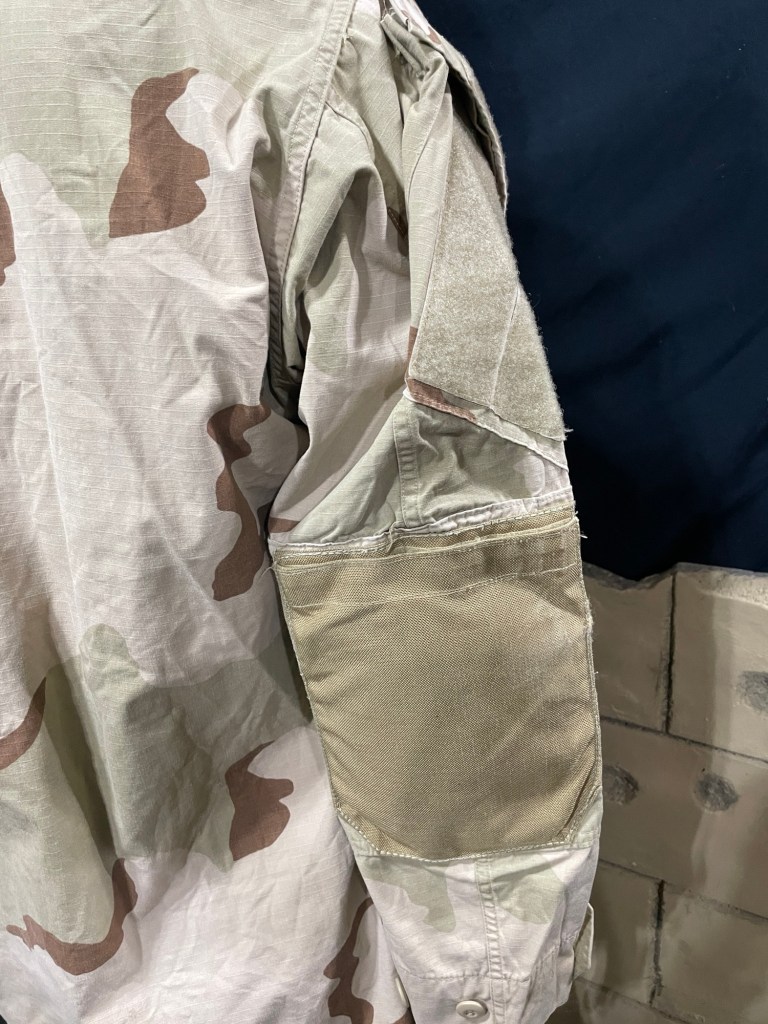
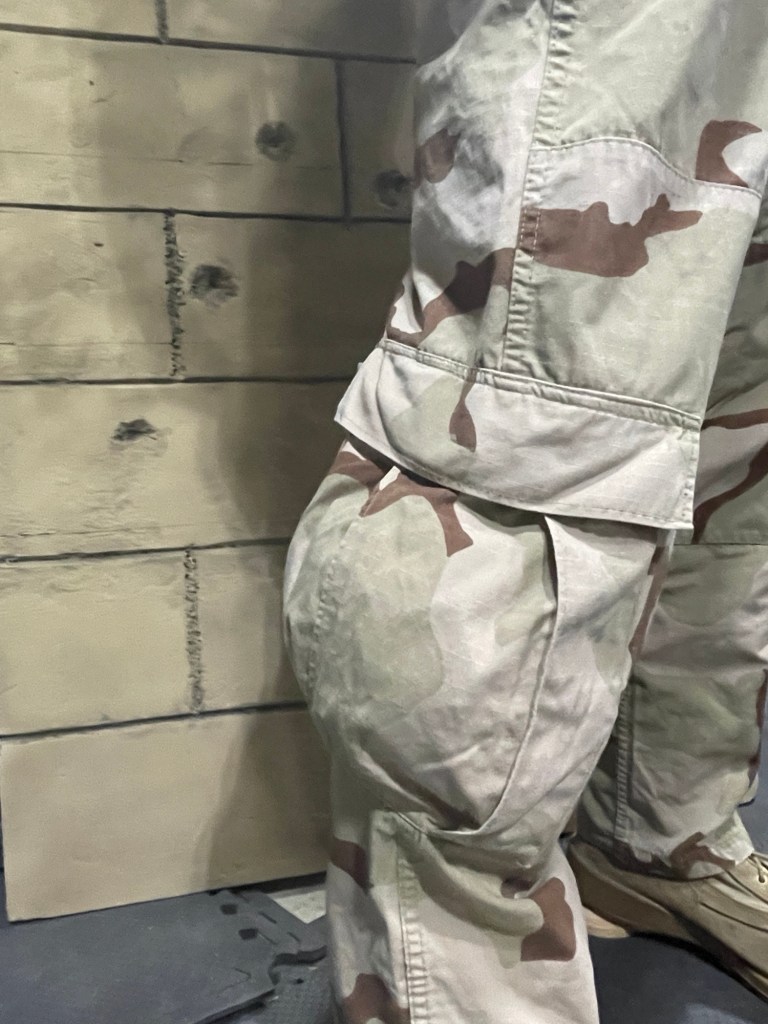
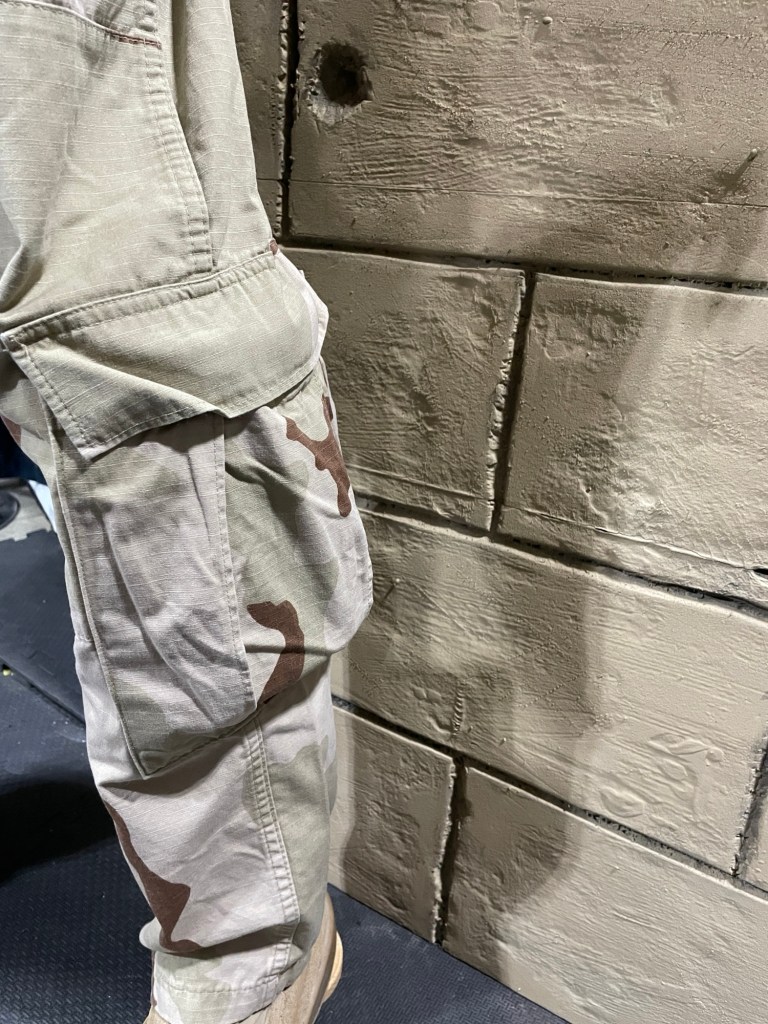
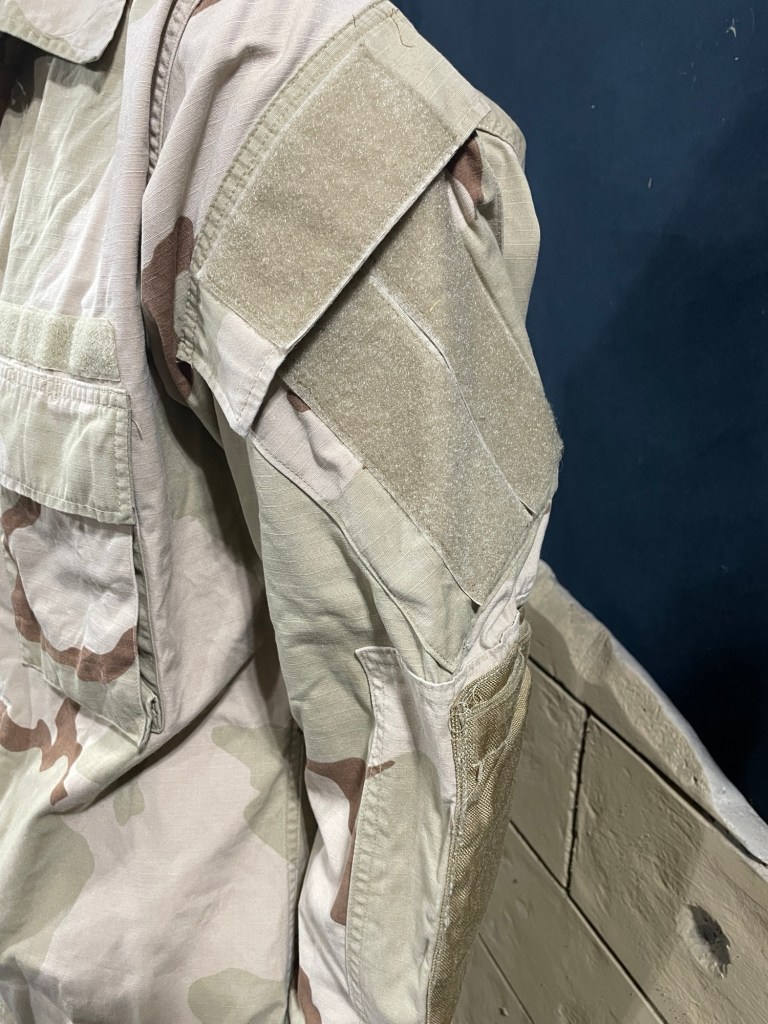
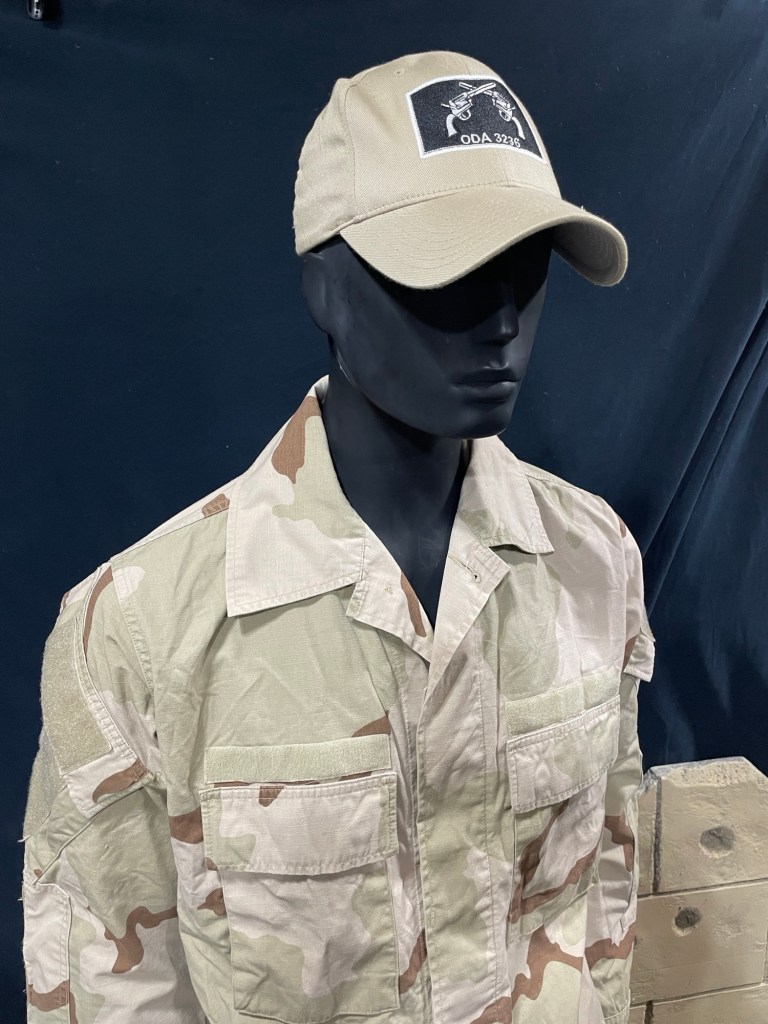
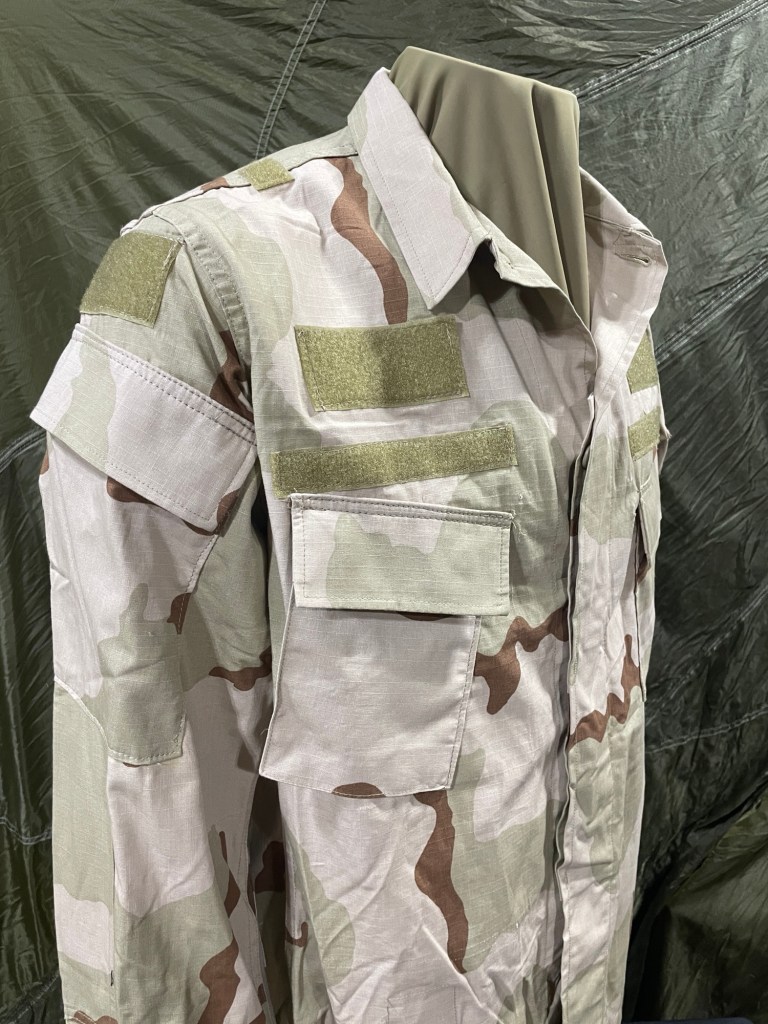
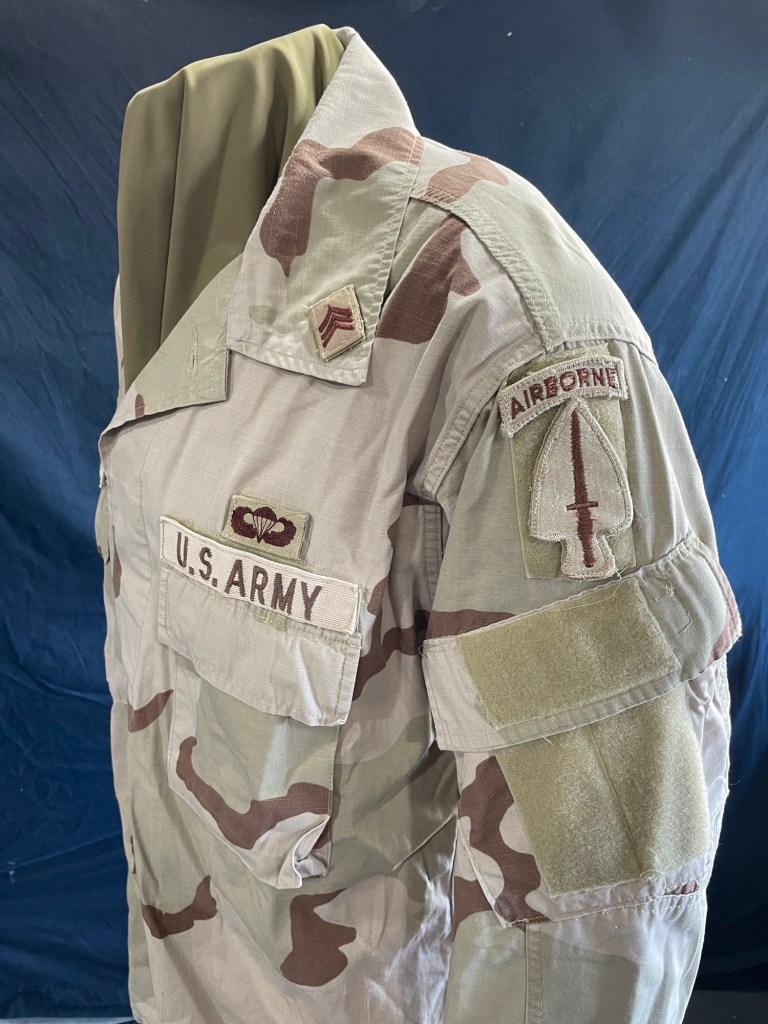
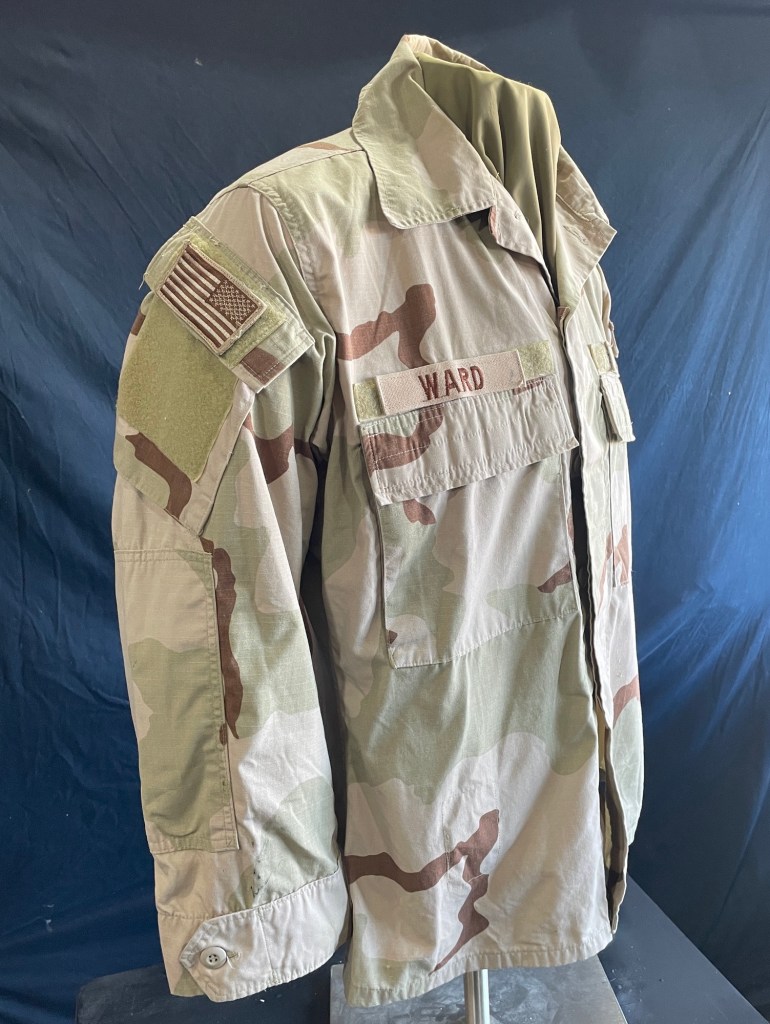
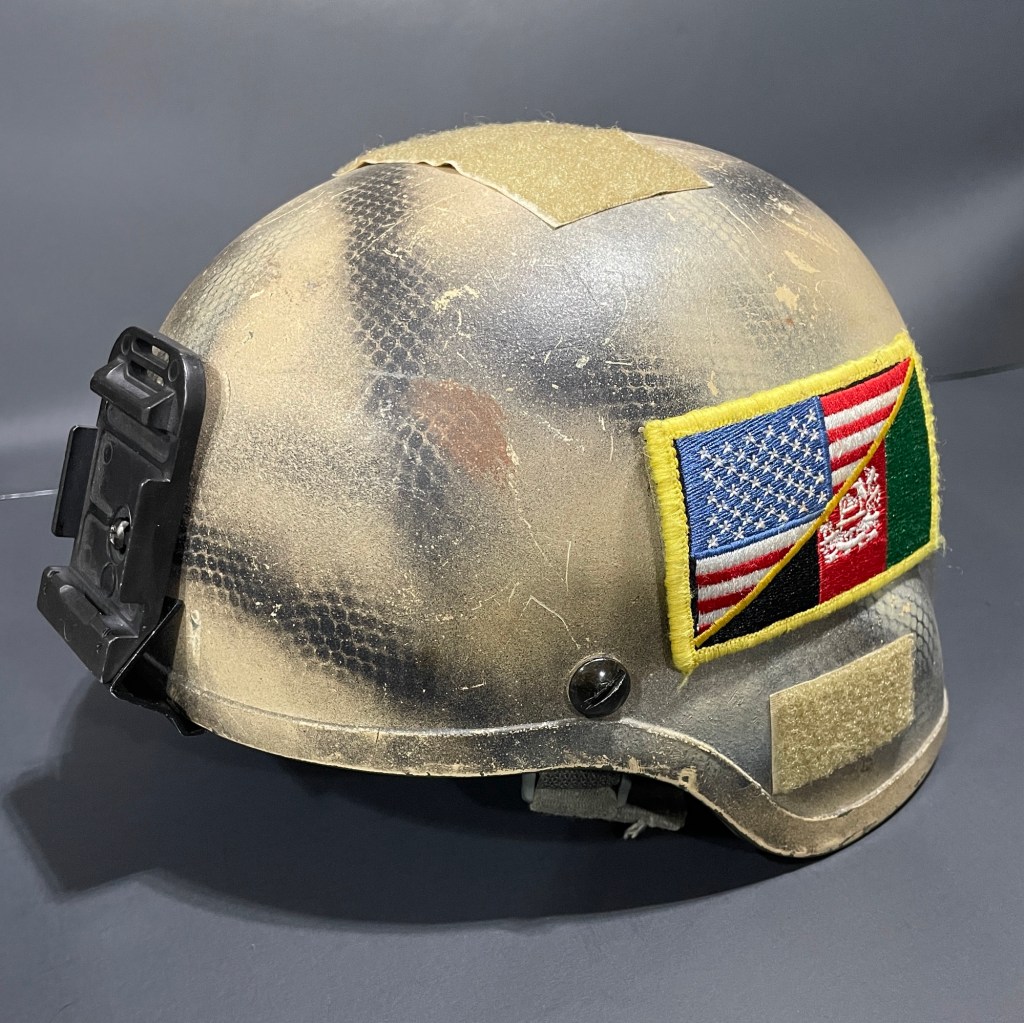
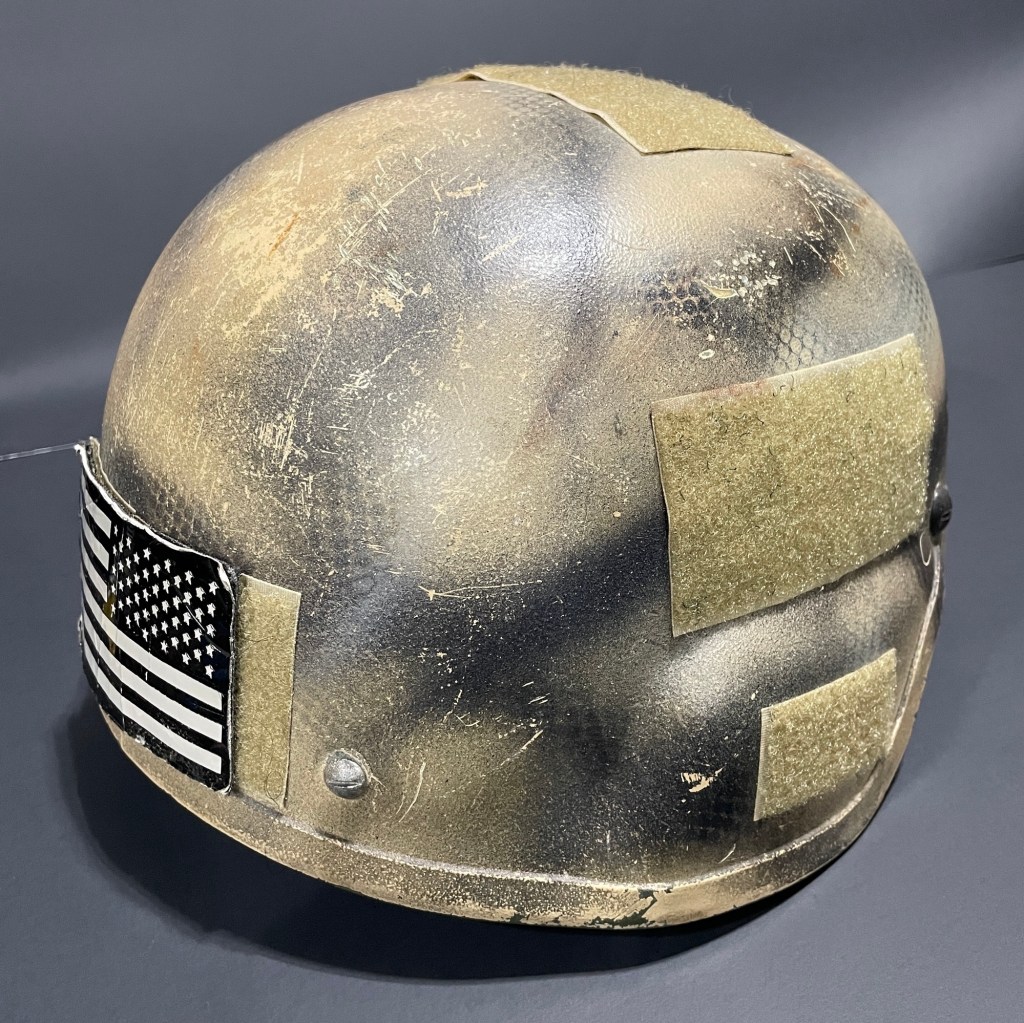
Collection of modified DCUs and BDUs

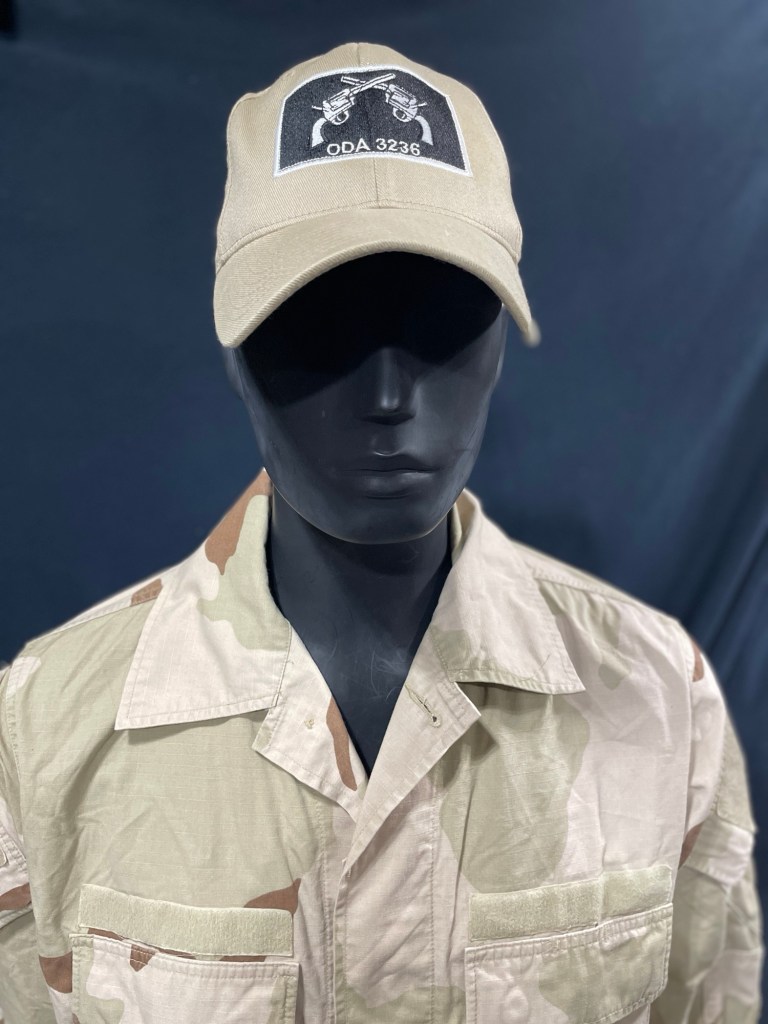
ODA 3236 uniform and team hat
10th Special Forces “Panzer” modified DCUs.

Two examples of “Panzer mods” DCU. We came up with name due to the fact those were modified at the shop at Panzer Kaserne. Typically 10th SFG wore those. There are also exists tan velcro example which isn’t shown here. Panzer mods were most commonly seen worn in Africa (OEF-A, for advisory role) as well few instances in Afghanistan and Iraq. The black velcro one is currently in Paul Arnold‘s collection. The OD green velcro currently in my collection is named to the soldier who was severely wounded in Uzbin Valley Ambush in 2008. He was one of the 7 to receive bronze star with V device.

Navy EOD modified DCU

USASOC modified DCU

Special Forces support personnel’s DCU.

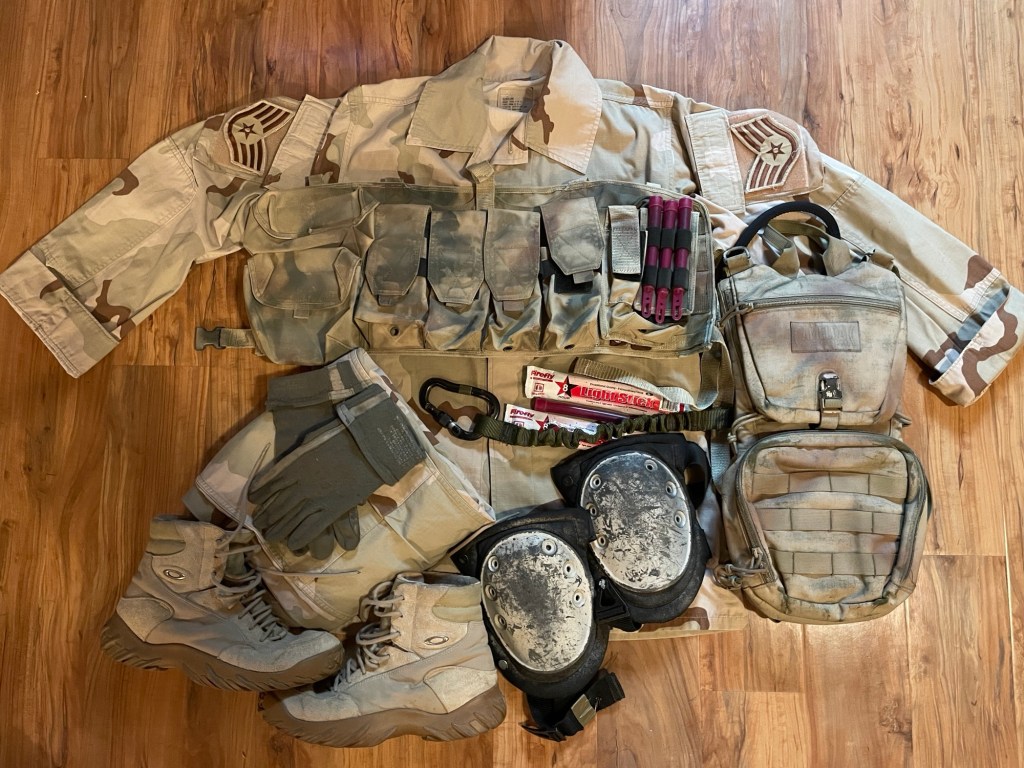
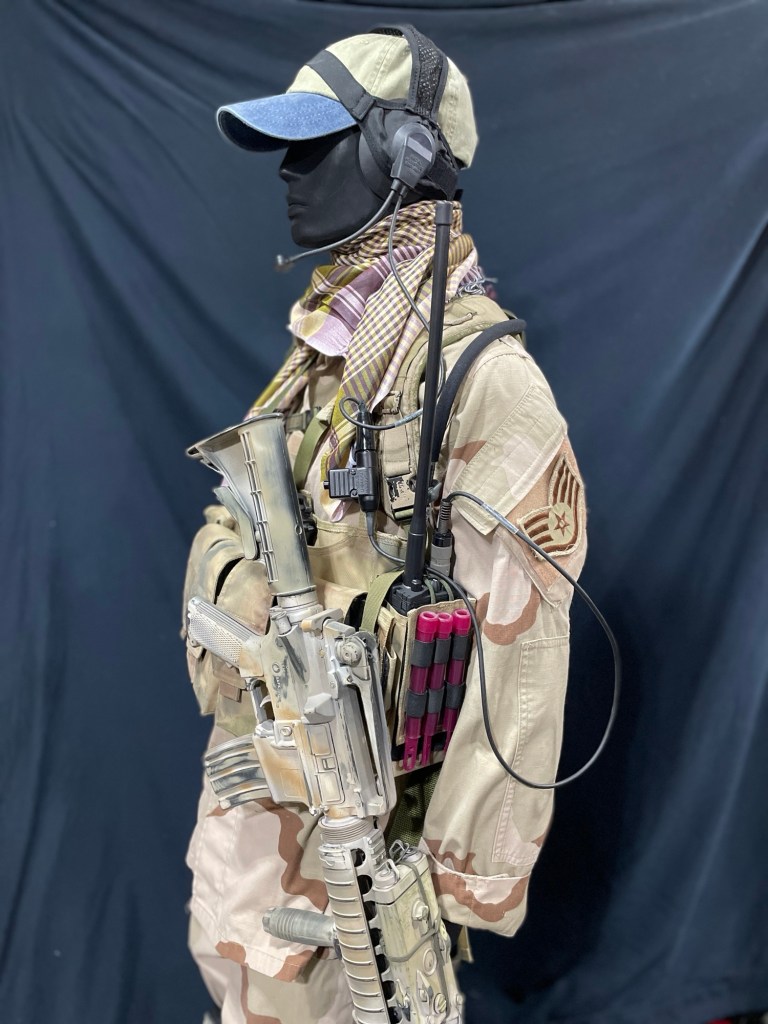
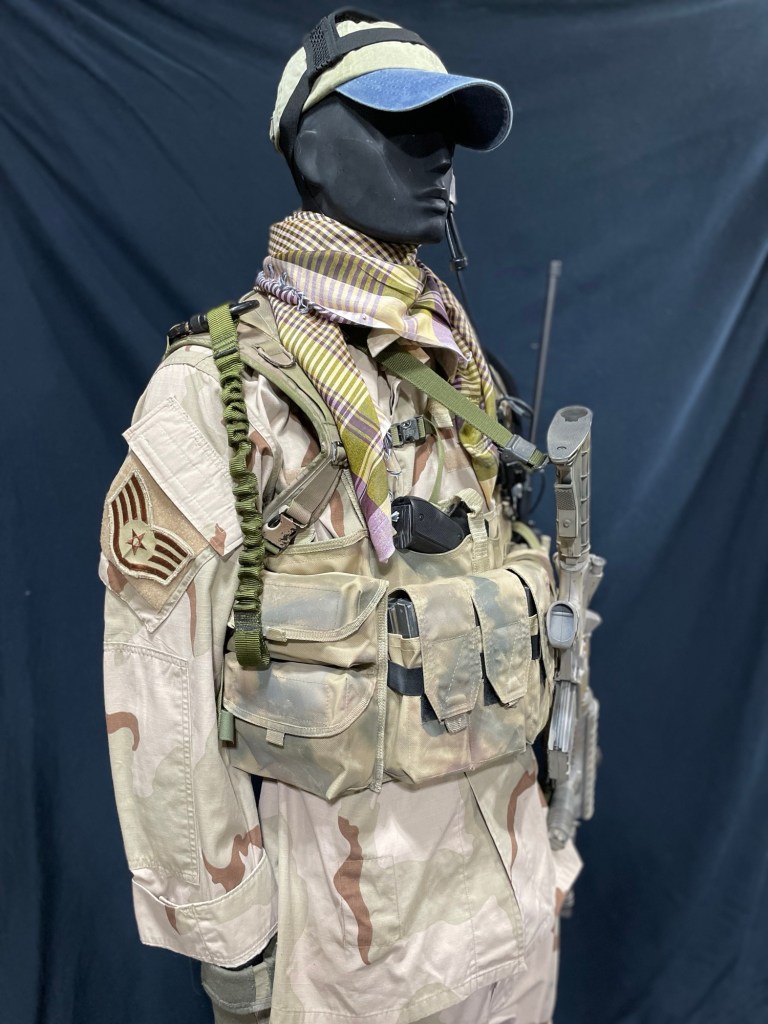
TACP in Afghanistan- 2004.

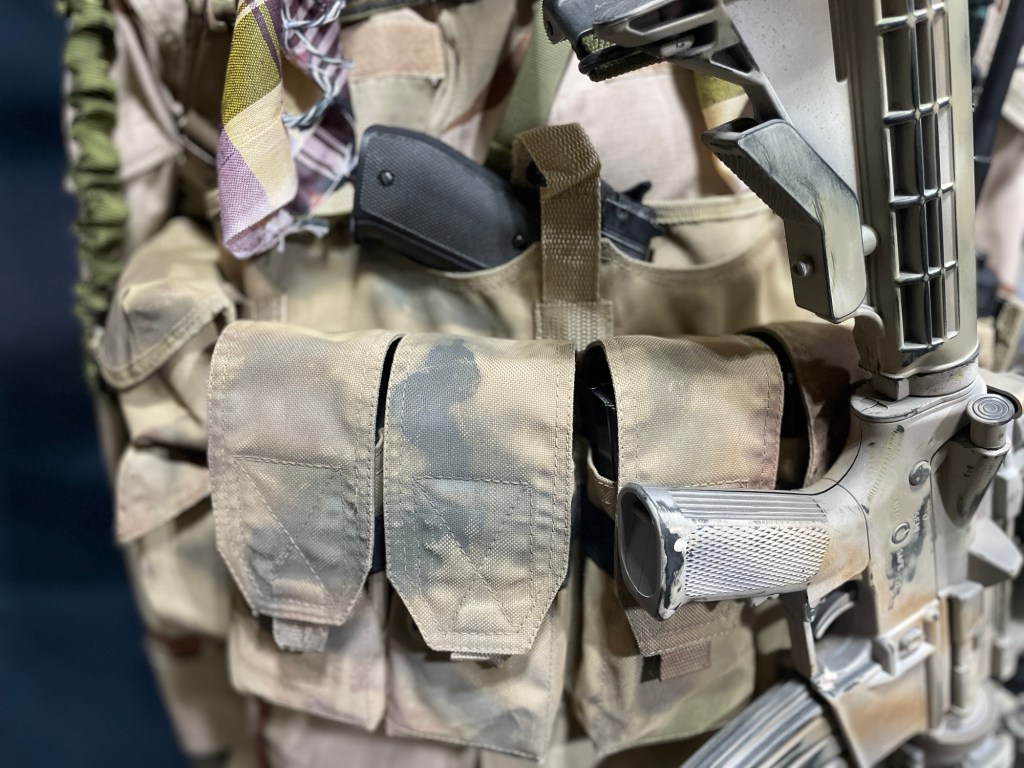
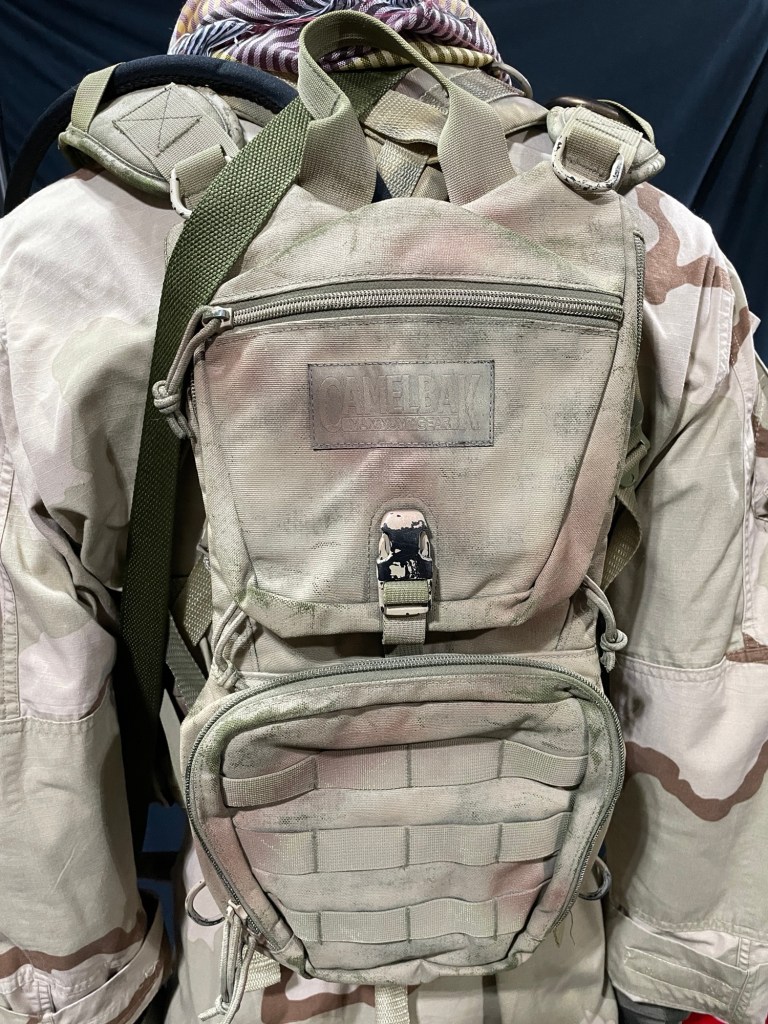
A nearly complete set from TACP airman. The modified DCU has SSGT ranks velcro’ed. The chest rig is Afghan made. Most of gear was spray painted tan to blend in environment better.

Note: I didn’t acquire this lot directly from the veteran so history is unknown however, based on equipment and uniform, my best guess for period is 2004-05.

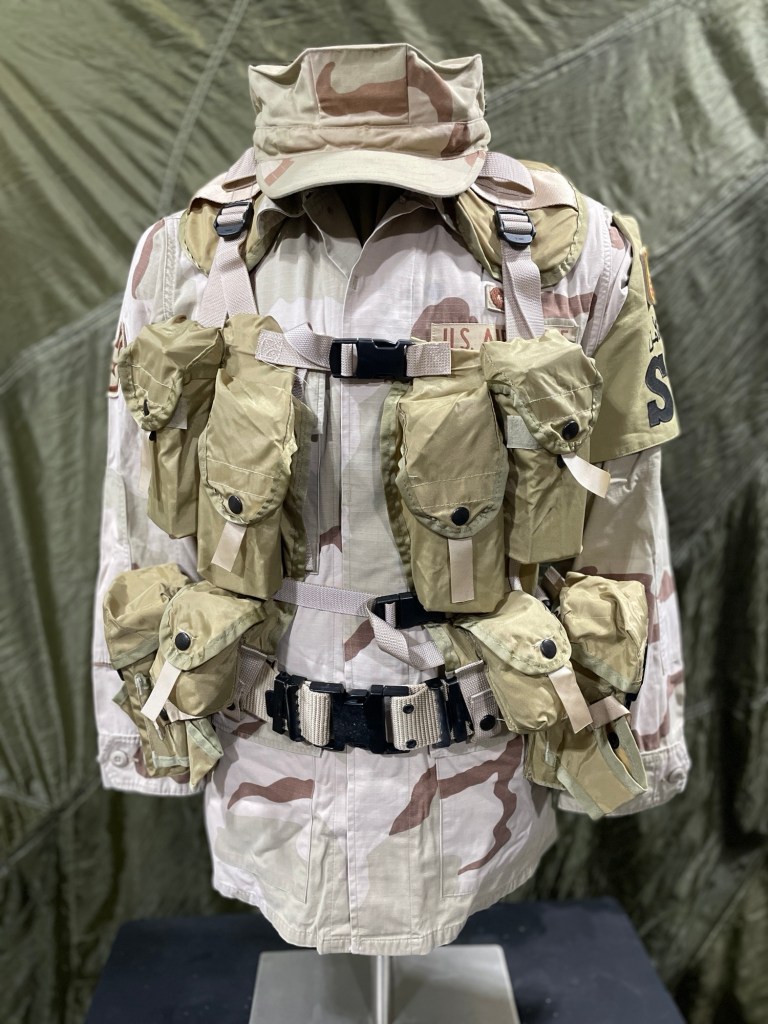
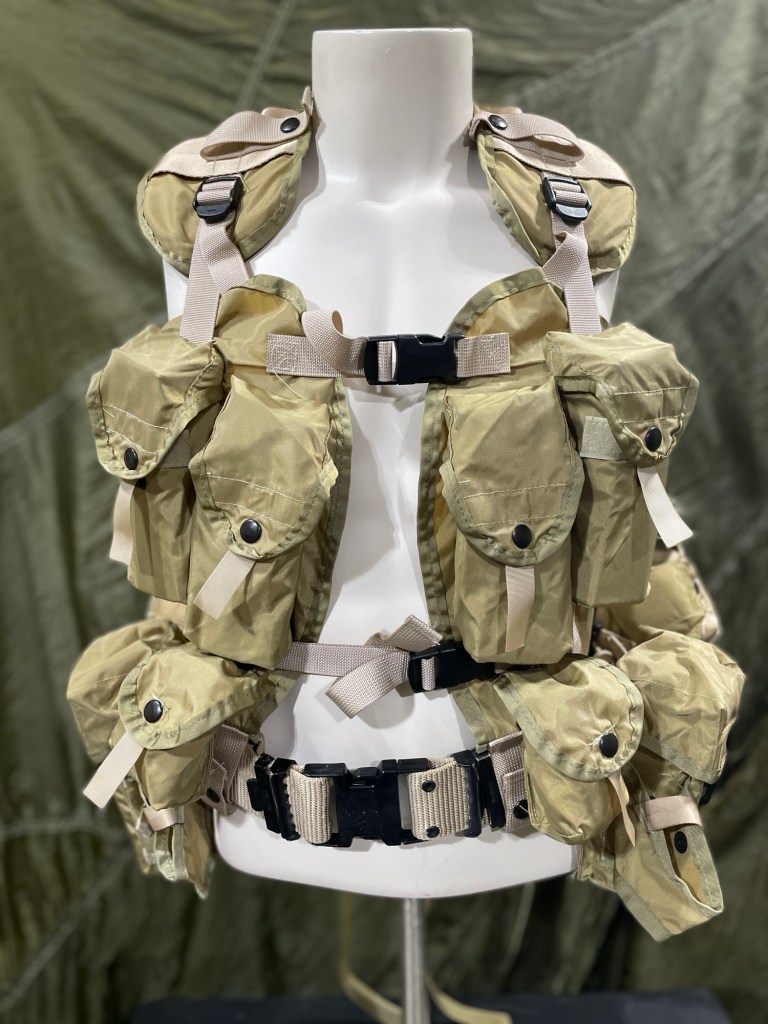
US. Air Force Security Forces

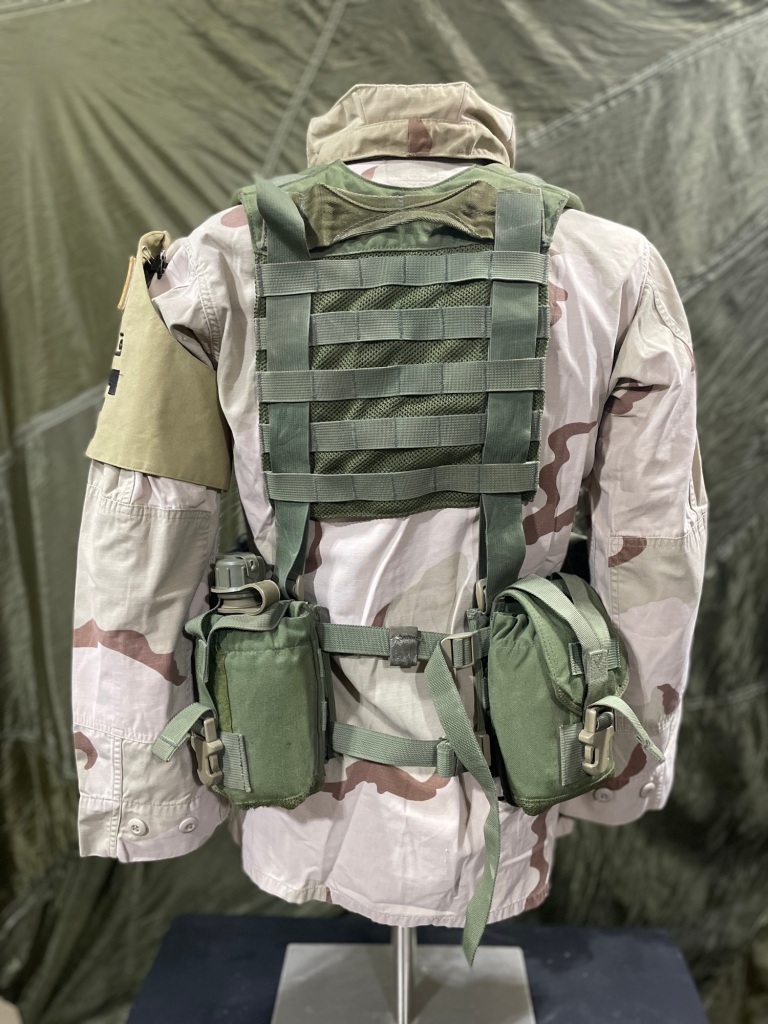
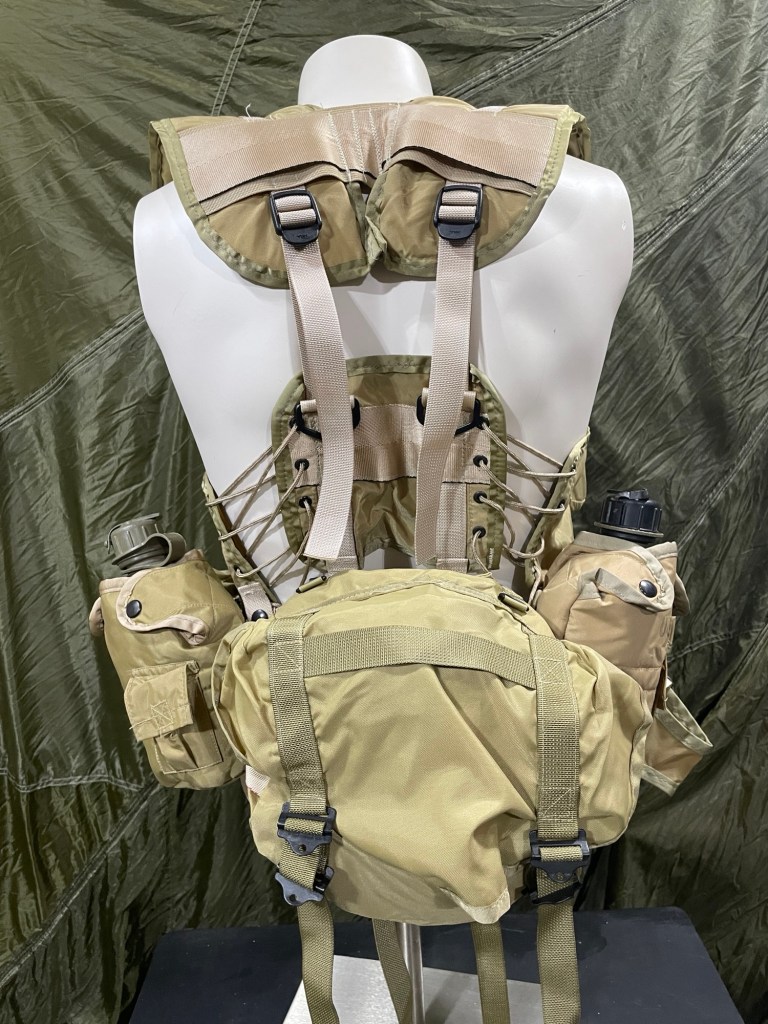
USAF issued DF-LCS load bearing vest made by Eagle Industries.
447th Expeditionary Security Forces Squadron, Sather Air Base, Iraq 2007. Note the airman in background is wearing DF-LCS as shown in the display. Photo from USAF. http://www.af.mil/News/Photos

This DF-LCS LBE was produced by Eagle Industries for USAF Security Forces Squadrons. On this set up: 3x double ammo pouch, 1x double ammo pouch with buckle, 1x IFAK pouch, 1x MBITR pouch, and 2x canteen/utility pouch. Not shown: Safariland drop-leg holster.


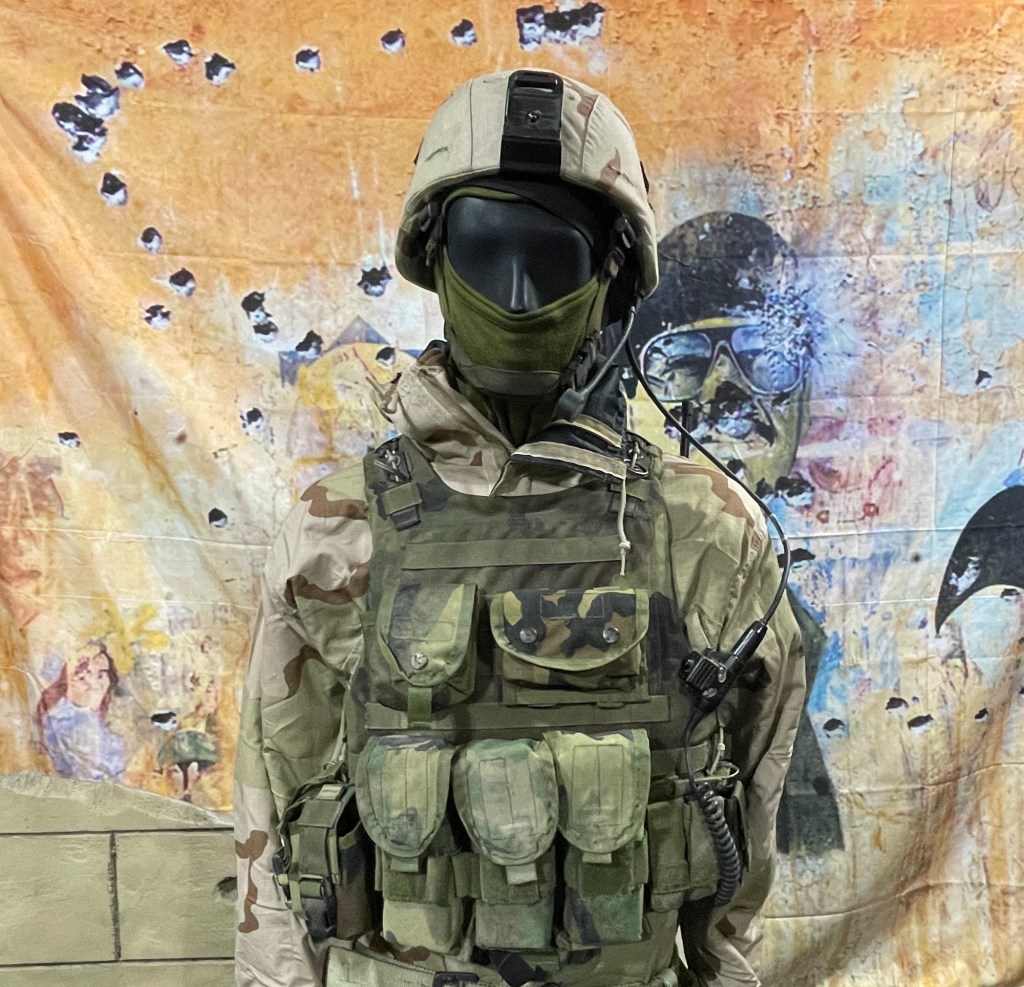
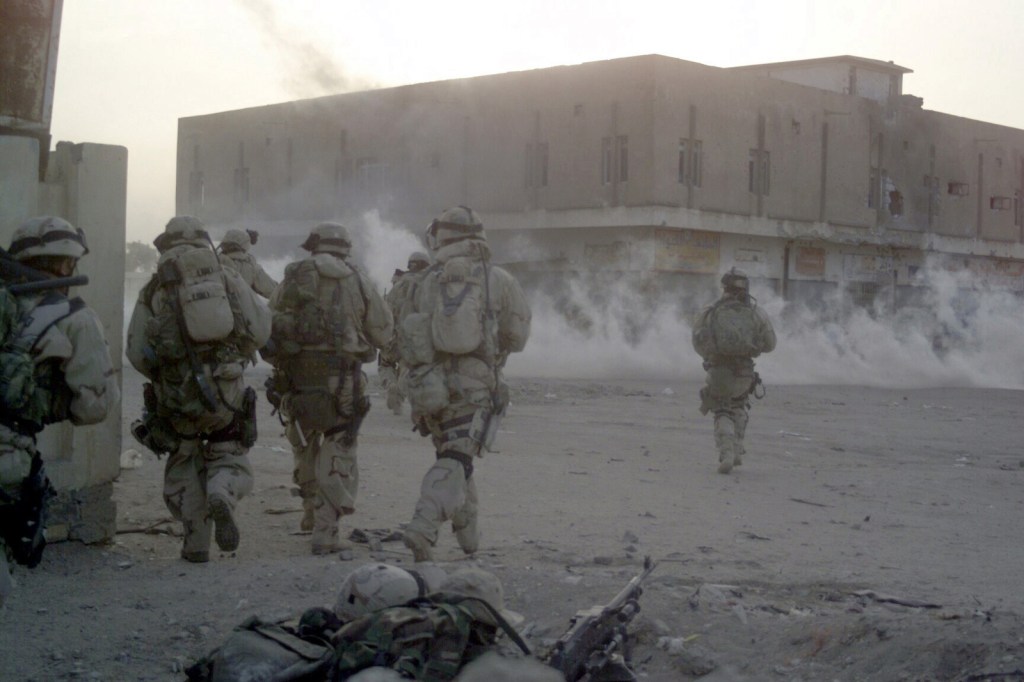
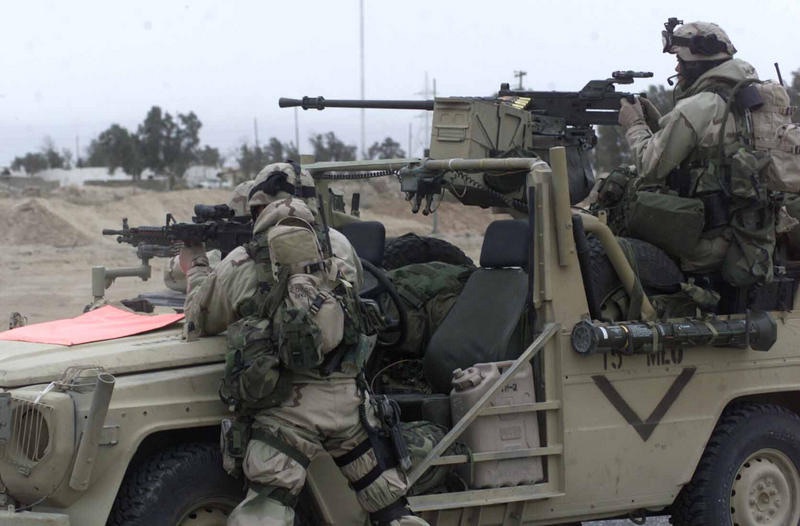
USMC Force Recon, Invasion of Iraq

This display shows an equipment as worn by Force Recon Marines during the invasion of Iraq. They conducted reconnaissances, assault, hunt for high value targets, as needed for Marine Air-Ground Task Force.

One of few known photos of Force Recon during the invasion. Image source unknown.

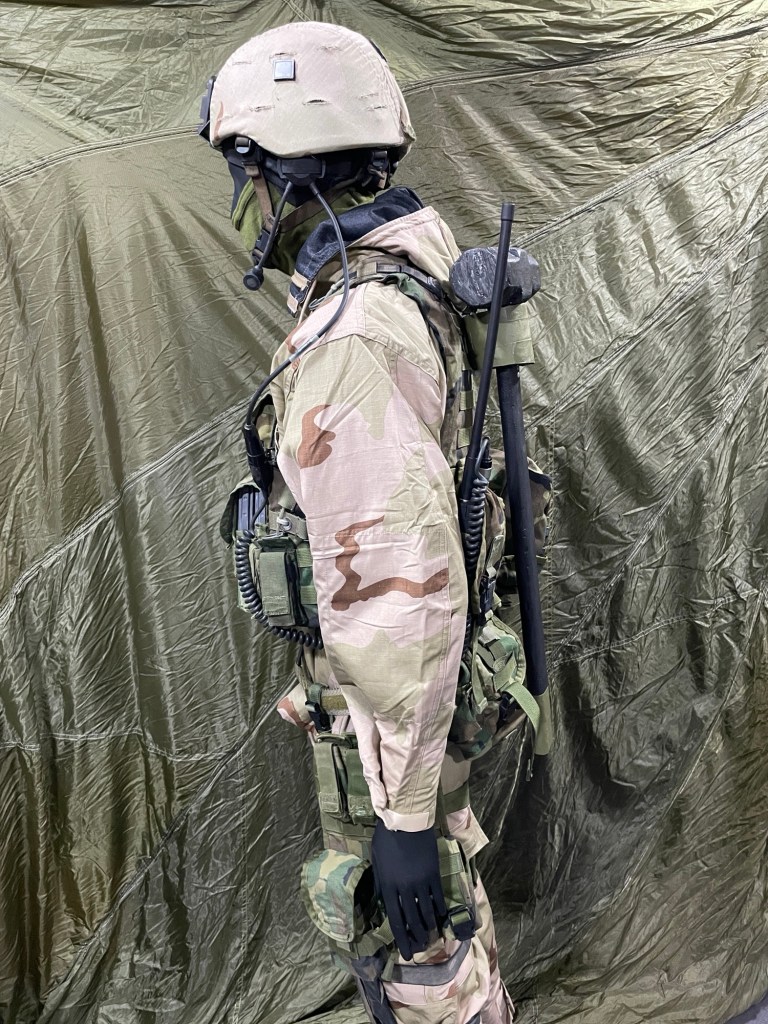
This display shows an equipment wore by Force Recon.

-Desert camouflage SARATOGA suit.

-MICH helmet with NVG mount.

-Full Spectrum Battle Equipment (FSBE): The kit specifically designed for the Force Recon. It includes Amphibious Assault Vest, leg panel, pouches for ammo, frag, flashbang, individual first aid kit, etc.

-Safariland holster for M45 MEUSOC pistol (Recon’s variant of 1911), they typically would have extended magazines for it.

-Breaching equipment: Force Recon utilized various of breaching equipment such as Halligan tool or sledgehammer. (For this display, went with sledgehammer). They used DIY breacher tool holder- made of PVC pipe, duct tape, and zip ties.

One of few known photos of Force Recon during the invasion. Note the Interim Fast Attack Vehicle (IFAV), a military variant of Mercedes-Benz’s G-wagon. Image source unknown.
One of few known photos of Force Recon during the invasion. Image source unknown.

Northern Alliance “Zarbati” Uniform and Equipment

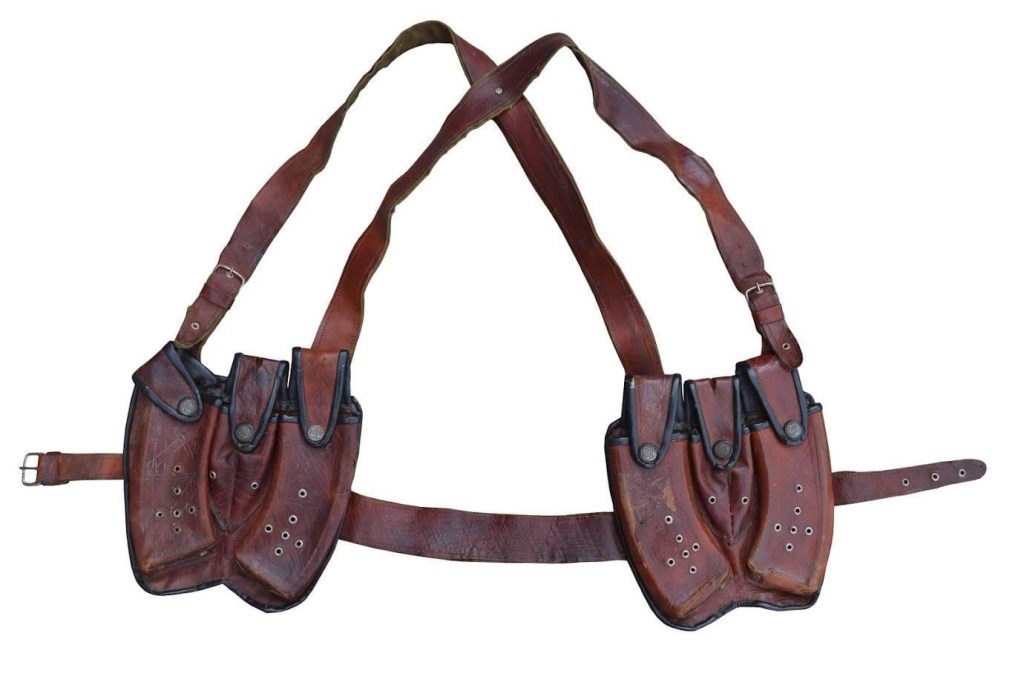
The uniform as worn by Northern Alliance’s Zarbati (strike force unit) soldiers. Not much known about the camouflage pattern itself but it’s said to be made in China, inspired by French’s “lizard camo” pattern. On this display is also locally made leather AK-47 ammo vest.

From Guilhaume Nuydt’s collection.

Collection and photo by Guilhaume Nuydt
Detailed photograph of the leather locally made ammo vest. Collection and photo by Guilhaume Nuydt

732nd Expeditionary Security Forces Squadron

Created in 2005 as “Request for Forces” in agreement between USAF and U.S. Army to add the manpower the Army needed in Iraq. Initially named RFF #619, before eventually renamed to 732nd ESFS. The squadron had six detachments. Each detachment was assigned under a command of Army Military Police units. Each detachments had varying missions/roles but they include combat patrols in insurgent-heavy regions, visit Iraqi Police substations to restore their confidence, or part of Police Transition Team. The 732nd ESFS was deactivated in 2010. The squadron had multiple awards and few casualties. Read more about the squadron here: www.usafpolice.org/732-esfsdetachment-23.html

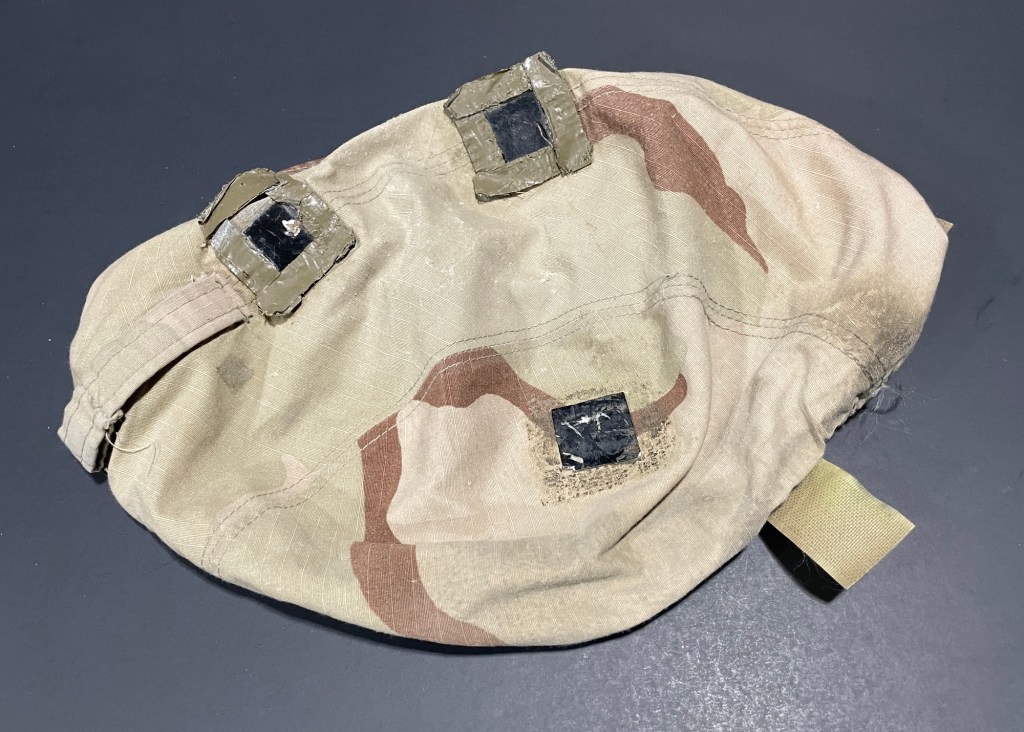
The squadron issued Gentex TBH-II helmets. Came with those were covers that was made differently from MSA ACH/MICH versions. Those airmen had distinctive set up on the helmets: Four infrared squares glued on them reinforced with OD green or tan duct tapes due the squadron’s SOP.

Well worn helmet cover worn by 732nd ESFS airman.

Battle of Tora Bora

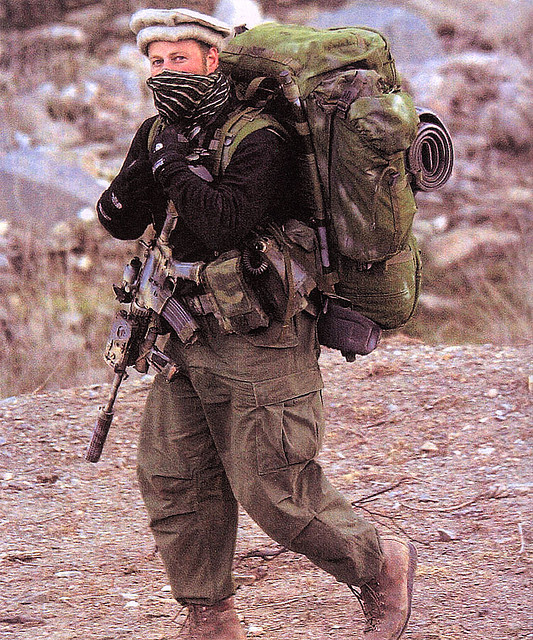
The Delta Force (Combat Application Group, CAG) operator display based on late Thomas Greer’s book, Kill Bin Laden (The author had the pen name of Dalton Fury before his real name was known). Delta Force was sent to Tora Bora on December 3 when intelligence showed that Bin Laden was physically holed up in the cave fortress, heavily defended by Al Qaeda and Taliban fighters. The battle of Tora Bora was won on December 17, however, Osama Bin Laden had slipped out and through Pakistan.

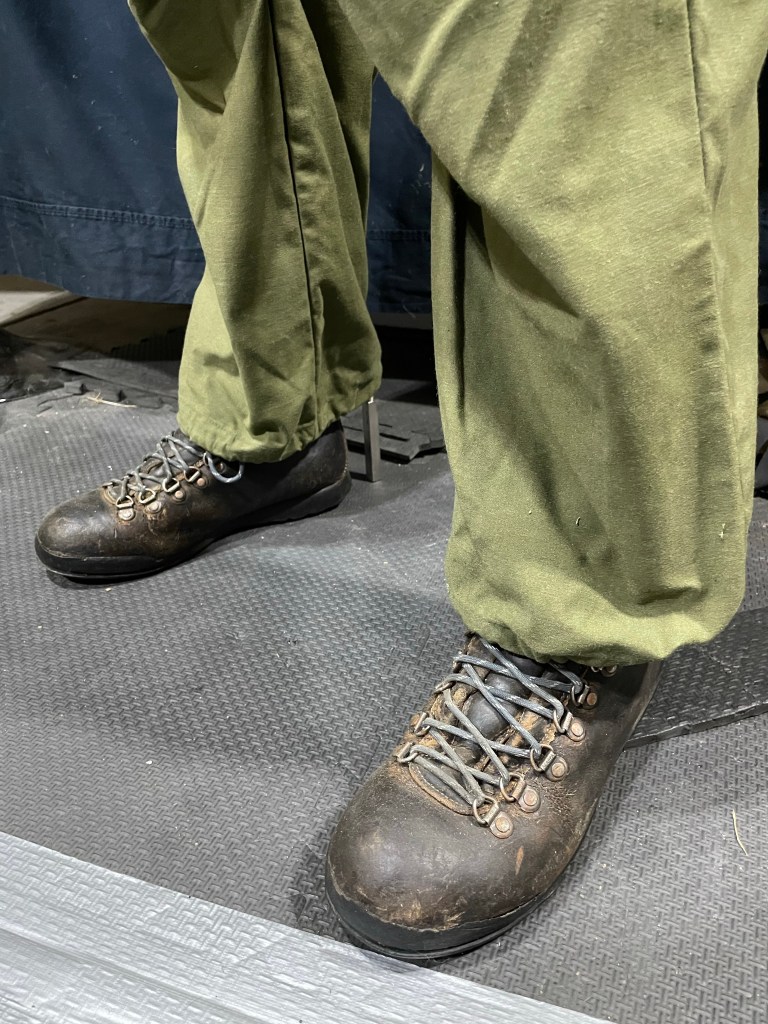
Equipment: Delta Force wanted to keep low profile and blend themselves among with local Afghan militias so they don’t become targets, as well to make their presence unknown to a horde of journalists who flocked to Tora Bora to report the large battle. They resorted to wear surplus Olive Drab M51 or M65 cold weather pants. (M65 pants is used for this display). They also worn civilian hiking jackets such as L.L. Beans, Patagonia, Northface, etc. Indigenous clothing accessories such as Pakol hats, keffiyeh, and Patu blanket. Patu was commonly worn by Afghan men as winter clothing, which was perfect for operators to conceal their American made clothing, equipment, and rifle. Many operators used civilian mountaineering boots which were better suited to the terrain. The vest used for this display is Blackhawk DOAV. It appears that most of Delta operators worn AWS SF chest rig at that battle.

Blackhawk DOAV
Asolo boots.
Details on Afghan Patu.
CAG operator concealing face from journalists. Photo source: Open Source
Photo source: Open source

Note: If you have an original AWS SF chest rig, let me know.

Navy SEAL, Iraq 2003

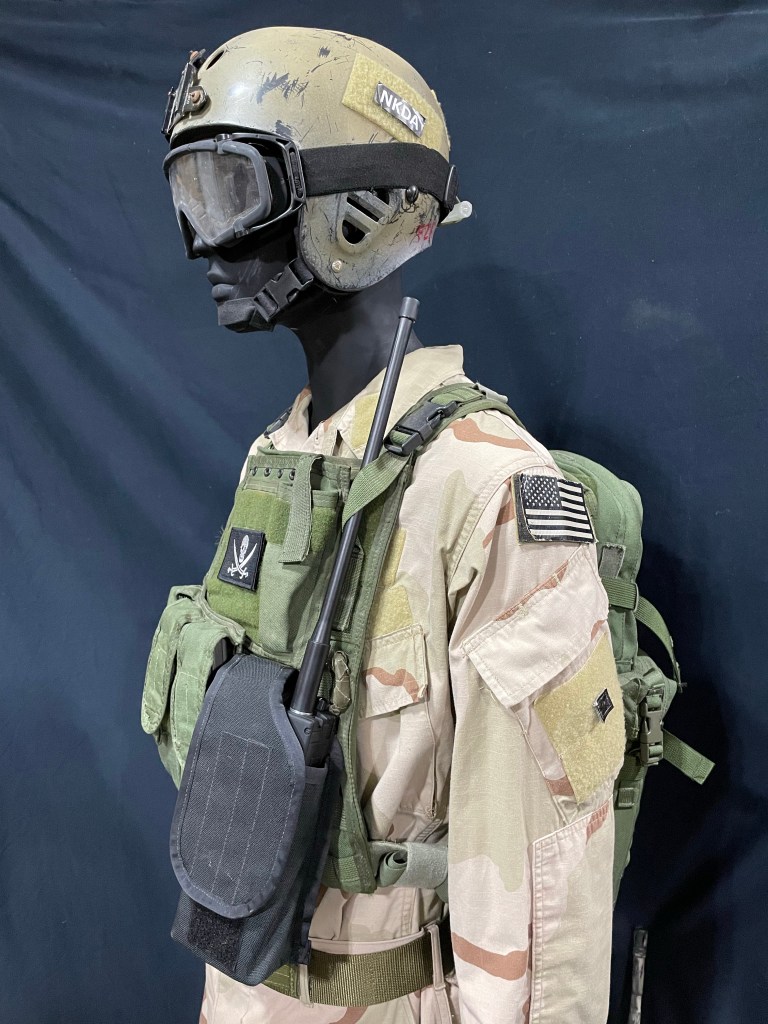
Equipment used by SEALs during the invasion of Iraq:

Modified non-ballistic Skateboard Protec helmet. Typically worn in VBSS/maritime operations or in any circumstances where weight and speed matters.

The plate carrier is MBSS system by Allied Industries. It could either carry ballistic plates or flotation panels. It was lower profile alternative to SPEAR body armor which was also used at the time.

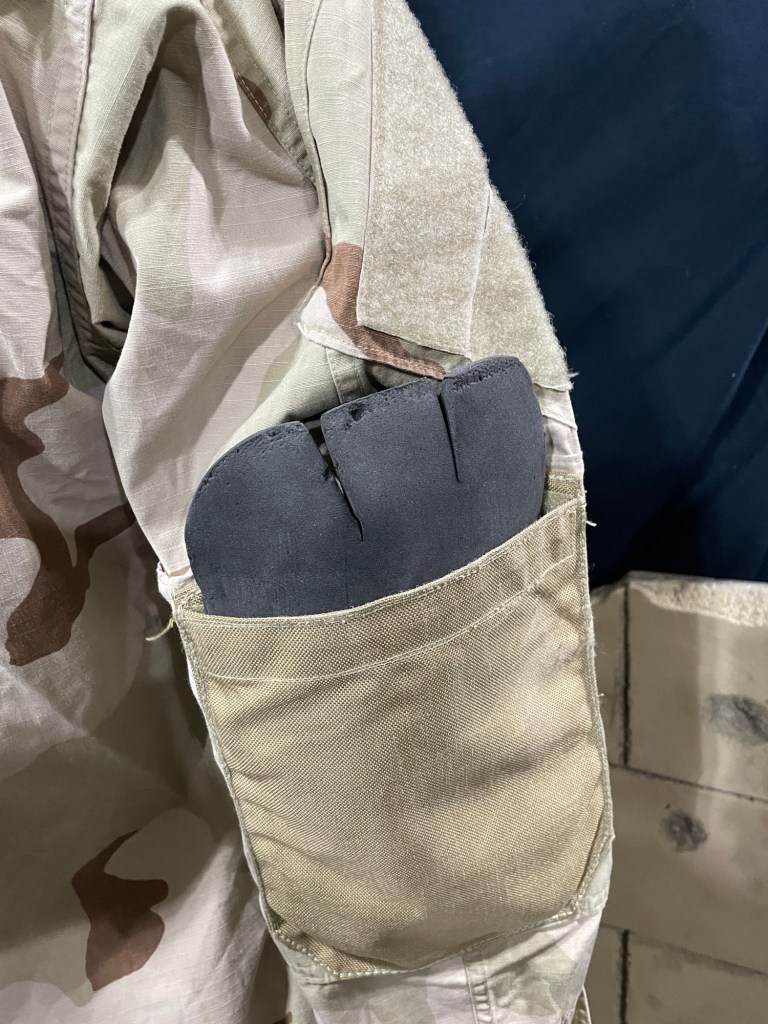
The DCU has Naval Special Warfare (NSW) modification. (Pockets on sleeves and Velcro in certain NSW style).

Blood types on Velcro. Goggles are strapped onto helmet via 550 cords.
Notes: The black pouch is for HABD (Helicopter Aircrew Breathing Device), essentially mini oxygen cylinder for emergency during maritime operations. the glow stick affixed to the helmet may have been used for friendly/for identification during a nighttime raid.
Merrell Sawtooth- Special Operations community’s favorite private purchase boots.
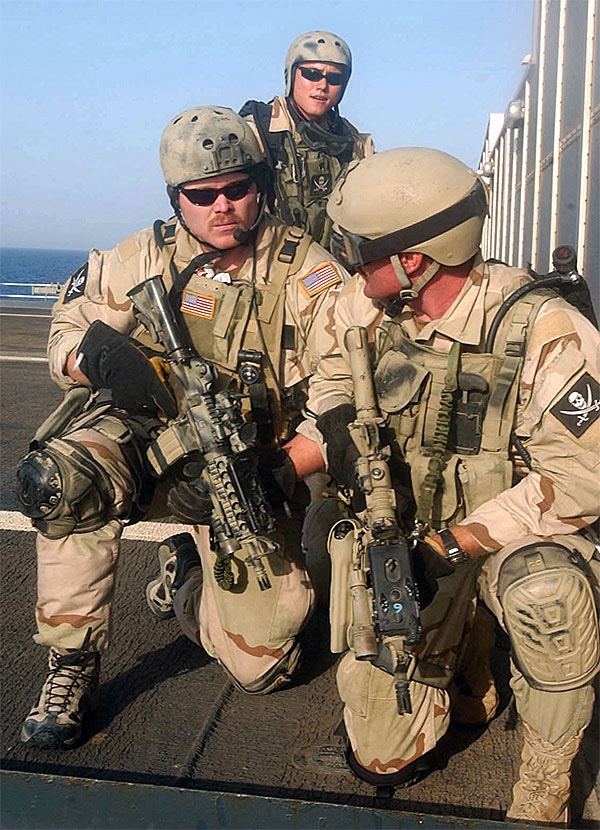
Central Command Area of Responsibility (May 24, 2003) — SEAL (Sea, Air and Land) Team members board Joint Venture, High Speed Vessel Experimental One (HSV X1) for a Visit, Board, Search, and Seizure (VBSS) training evolution by fast roping from an HH-60H Sea Hawk helicopter assigned to the ÒIndiansÓ of Helicopter Anti-Submarine Squadron Six (HS-6). SEAL Team members conduct various training evolutions with Joint Venture and are both deployed to the Central Command Area of Responsibility in support of Operation Iraqi Freedom. Operation Iraqi Freedom is the multi-national coalition effort to liberate the Iraqi people, eliminate Iraq’s weapons of mass destruction, and end the regime of Saddam Hussein. U.S. Navy photo by Photographer’s Mate 2nd Class Michael J. Pusnik, Jr. (RELEASED)
A photo of SEAL in Iraq with similar set up as the display. Image Source and full context are unknown. Found in open source.

5th Special Forces Group, Invasion of Iraq ‘03

The 5th Special Forces Group was deployed to Iraq in 2003 for the invasion of Iraq. They infiltrated into Western Iraq in advance of the main invasion forces to conduct reconnaissance, harassing Iraqi forces in the area, capturing Iraqi airfield at Wadi al Khirr, as well feinting attacks to create distractions.

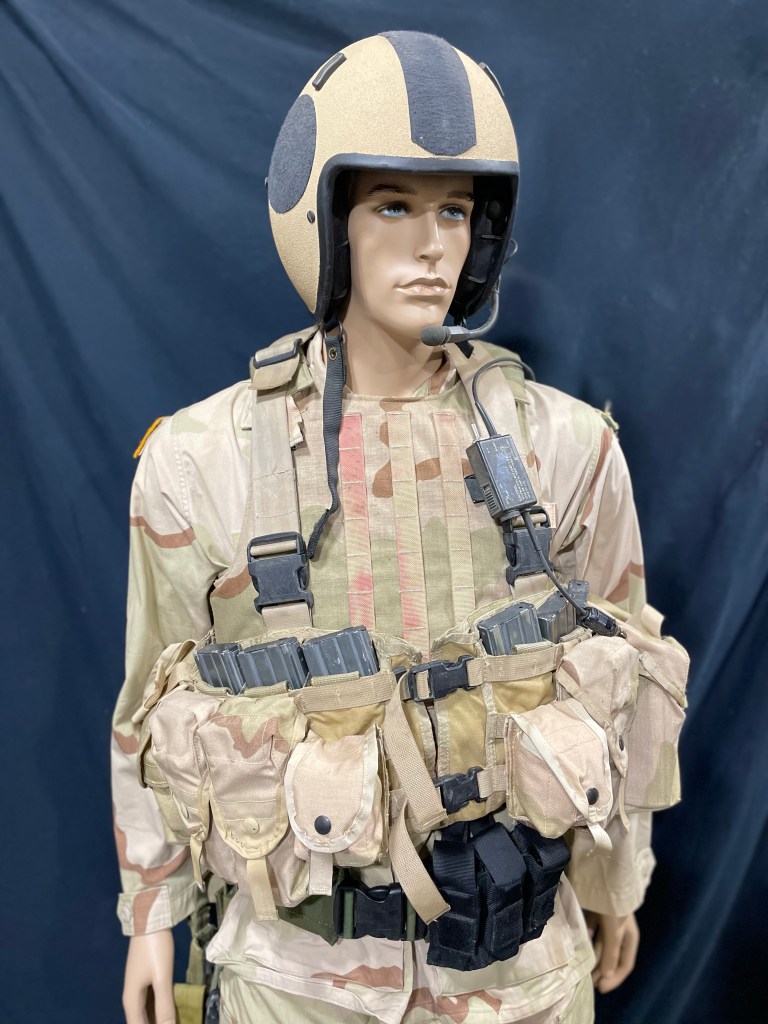
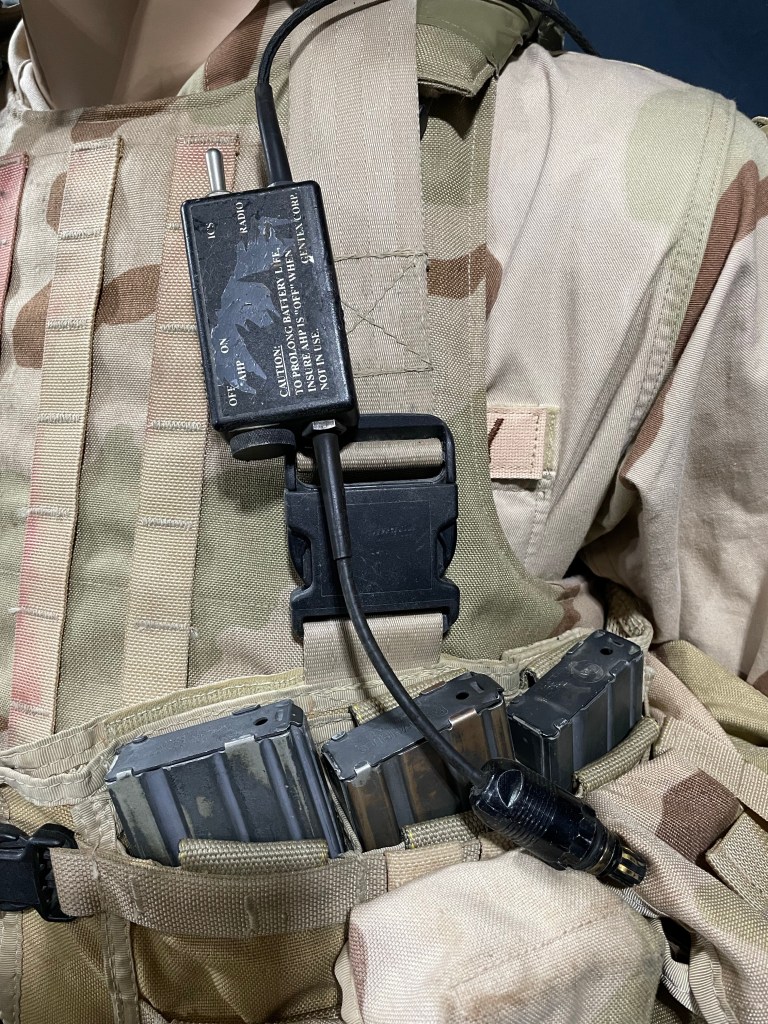
The primary item you may have noticed on this display is the helmet. The helmet is Gentex Military Motorcycle Helmet II. This is a ballistic helmet with integrated communication equipment- In the HMMWV General Mobility Vehicle (Or GMV in short, a Special Operations version of Humvee) as well other vehicles; ODA team members wear this helmet in conjunction with vehicle intercom system.

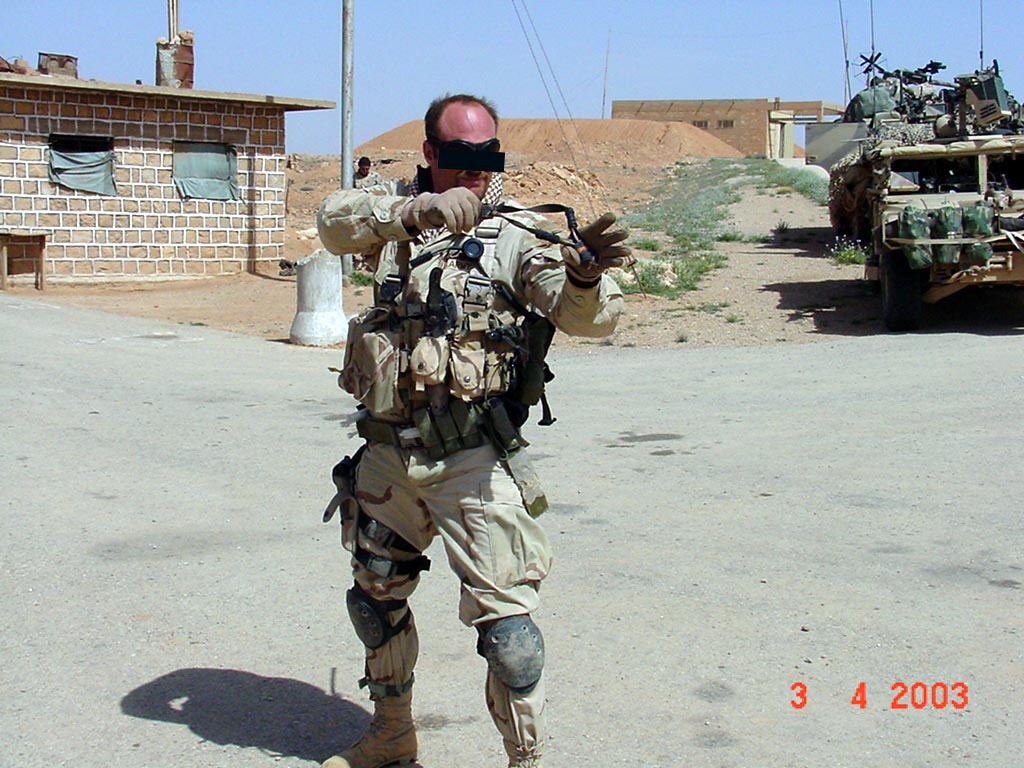
Another equipment to highlight: Hellcat MK2 chest rig made by SO Tech. At the time, chest rigs weren’t widely issued so those had to be bought out of pocket. The chest rig has early “yellowish” tan material as well “seatbelt” straps. The chest rig was innovative and cutting edge for its time as it has pockets for magazines built in to make it easy and quick to draw. Standard issue desert pouches from MOLLE equipment mounted on it for additional ammo and gear. The chest rig is worn over Safariland SPEAR body armor.

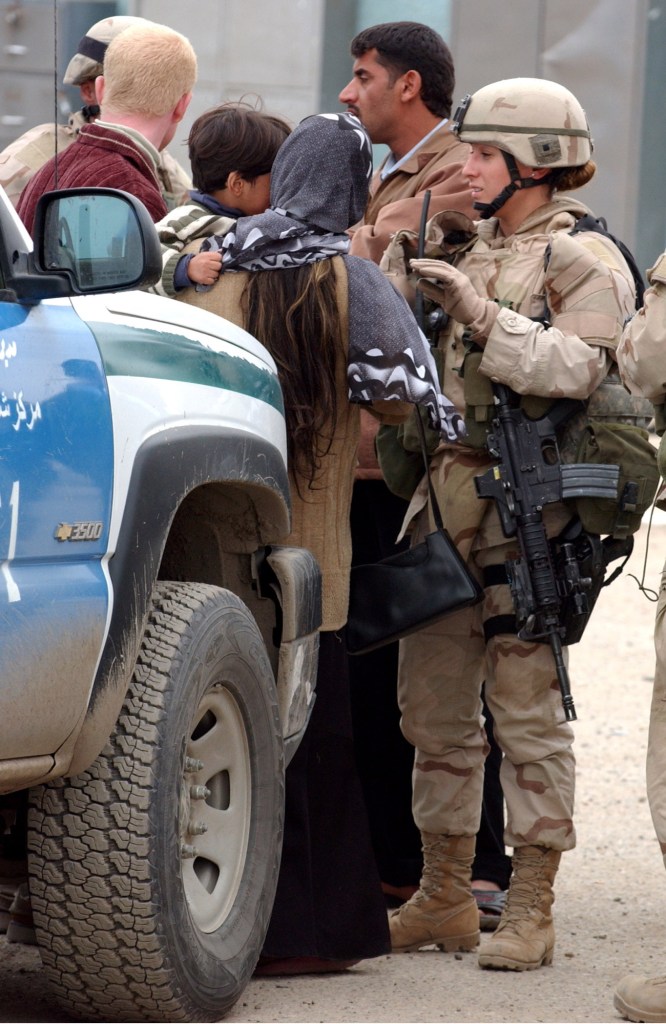
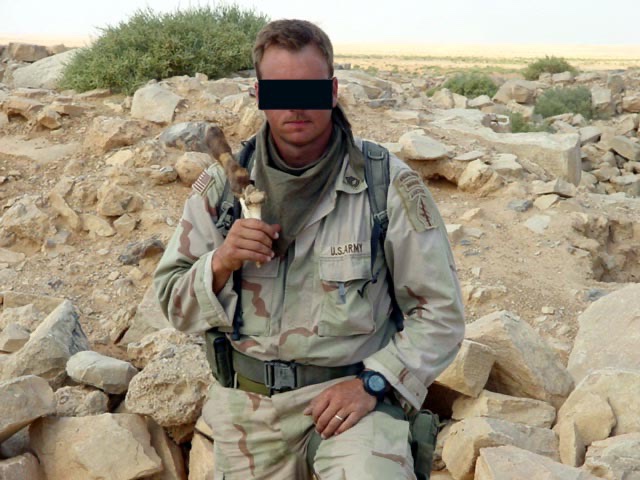
The desert camouflage uniform has Velcro so Special Forces soldiers could remove patches if discretion is needed. This simple velcro modification seemed to be common for 5th Special Forces Group at the time.

Hellcat chest rig in action. Image source: Unknown.
MMH-II in action. Image source: Unknown.
Image source: Unknown. Note the DCU with Velcro for patch.