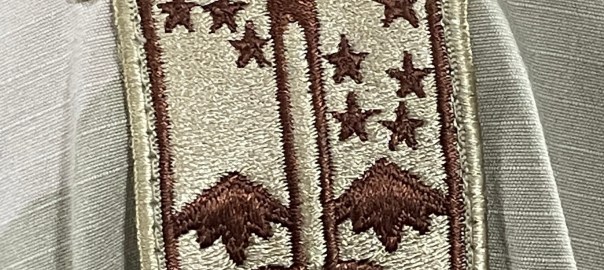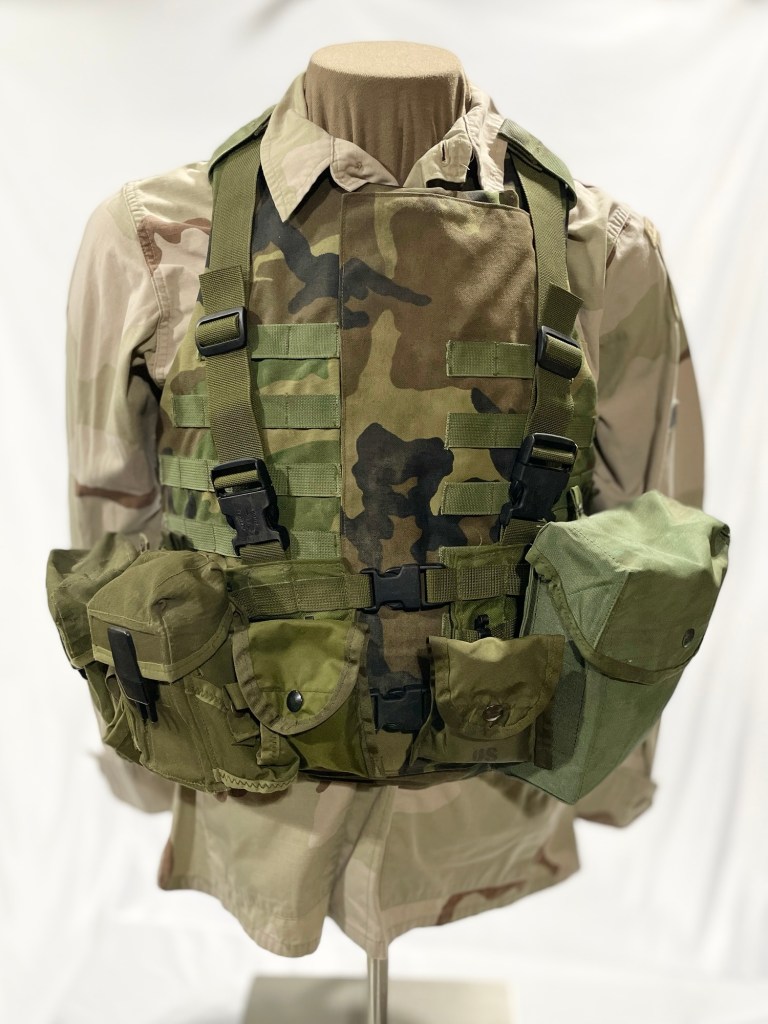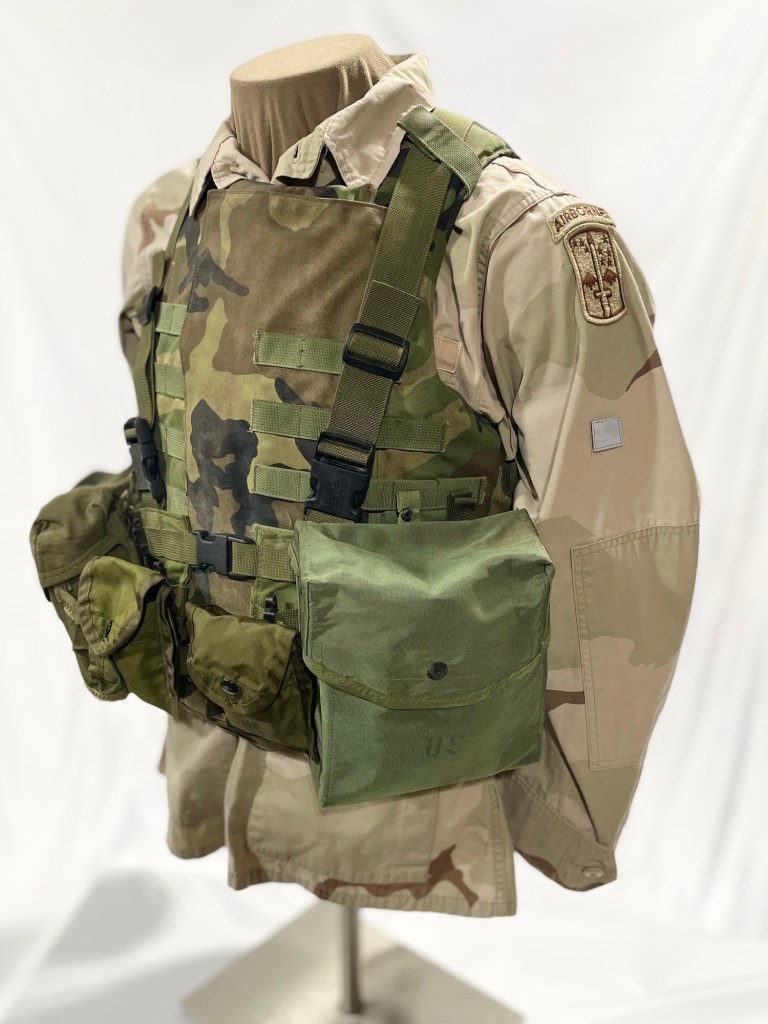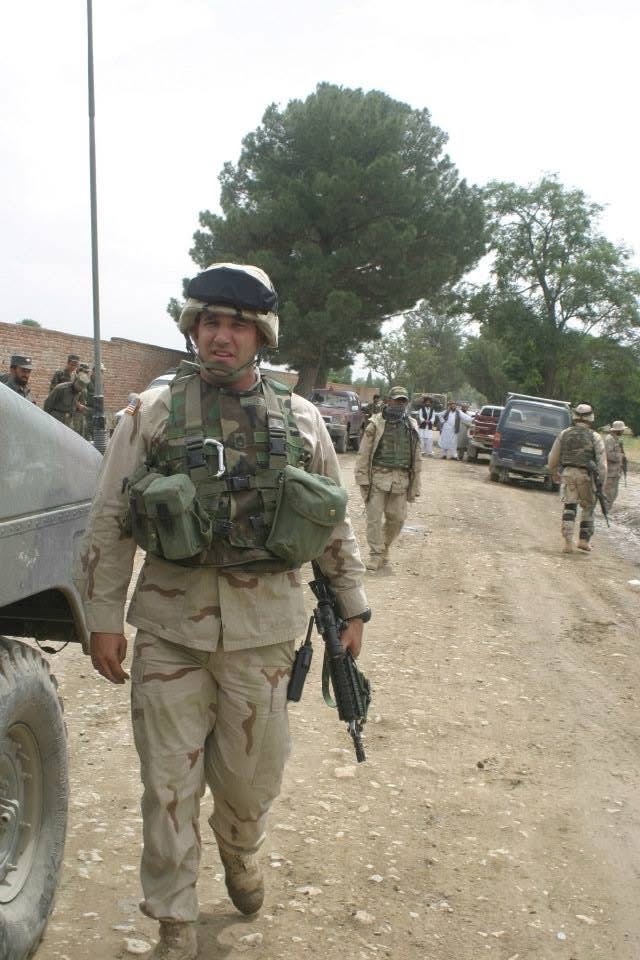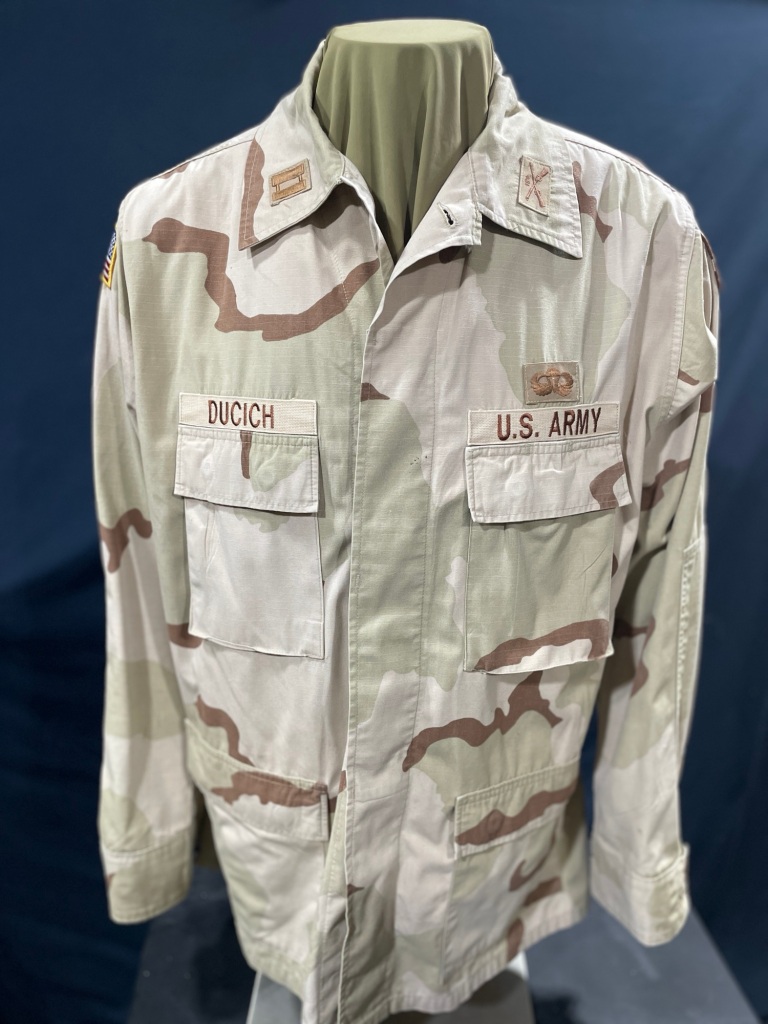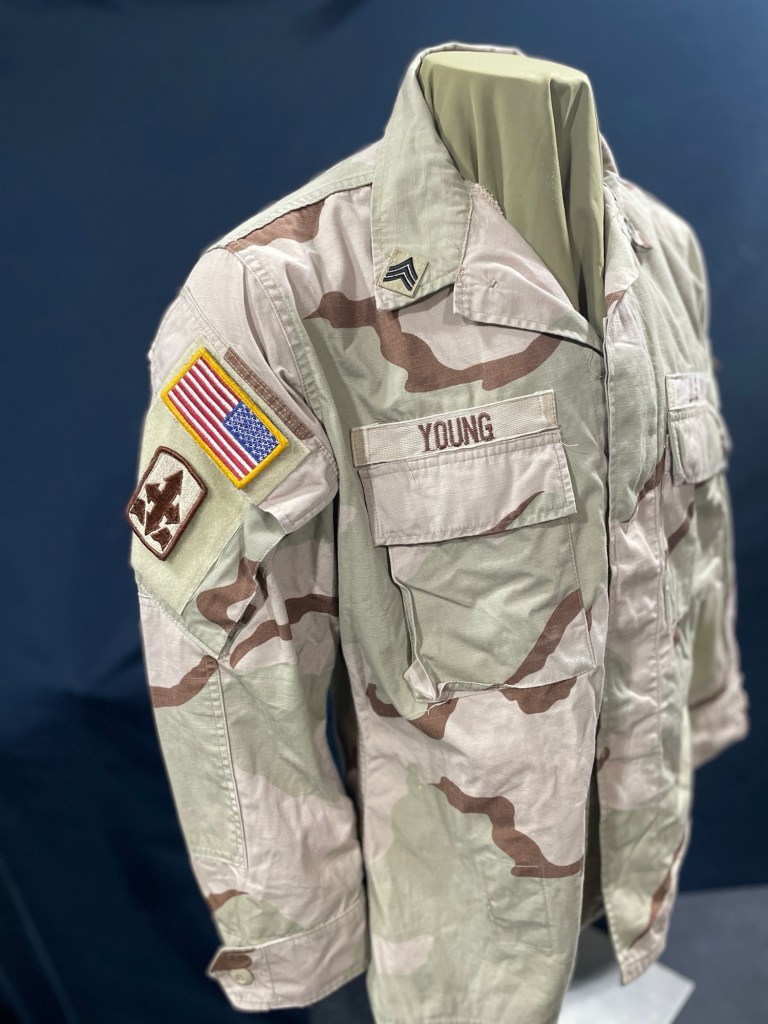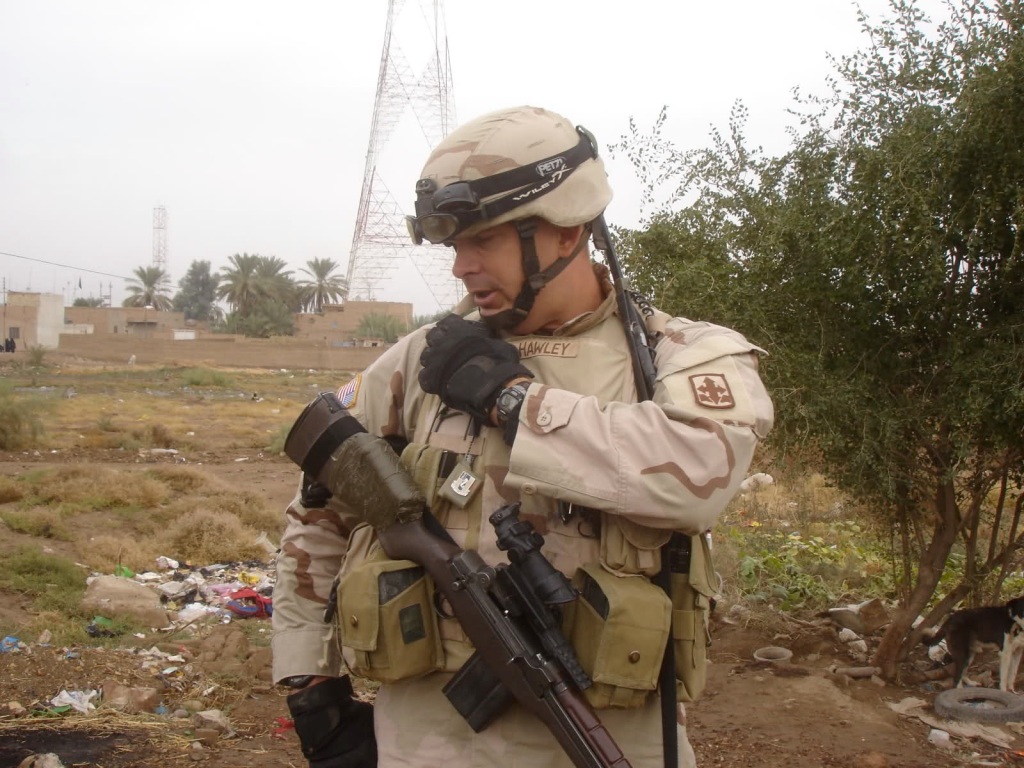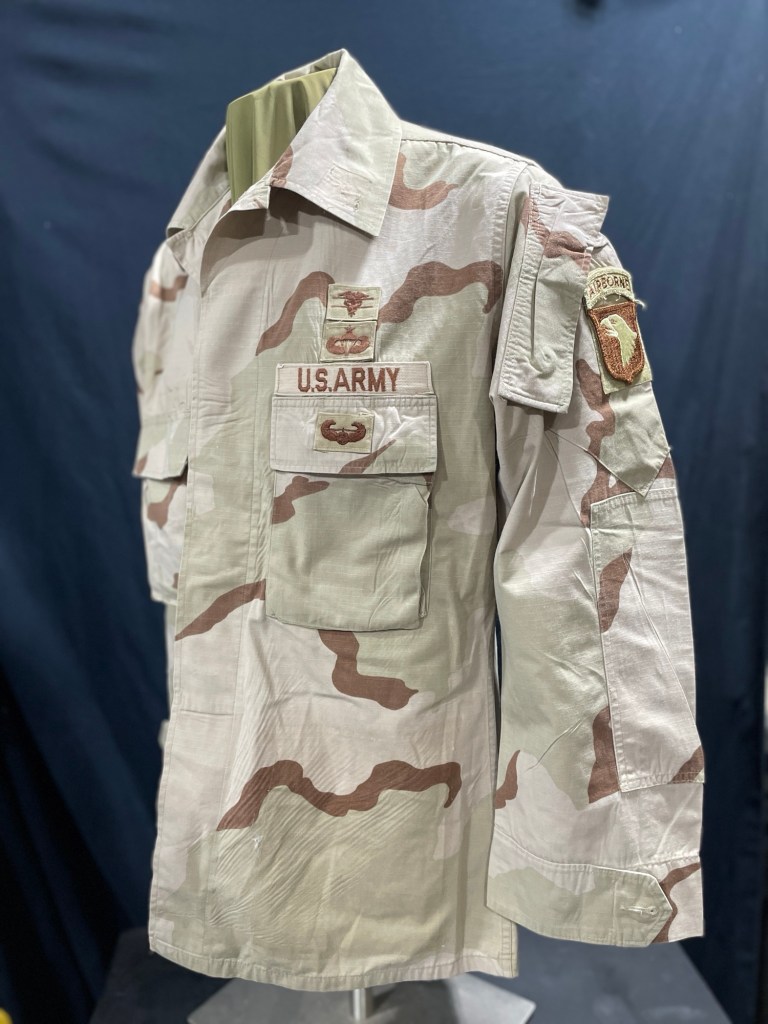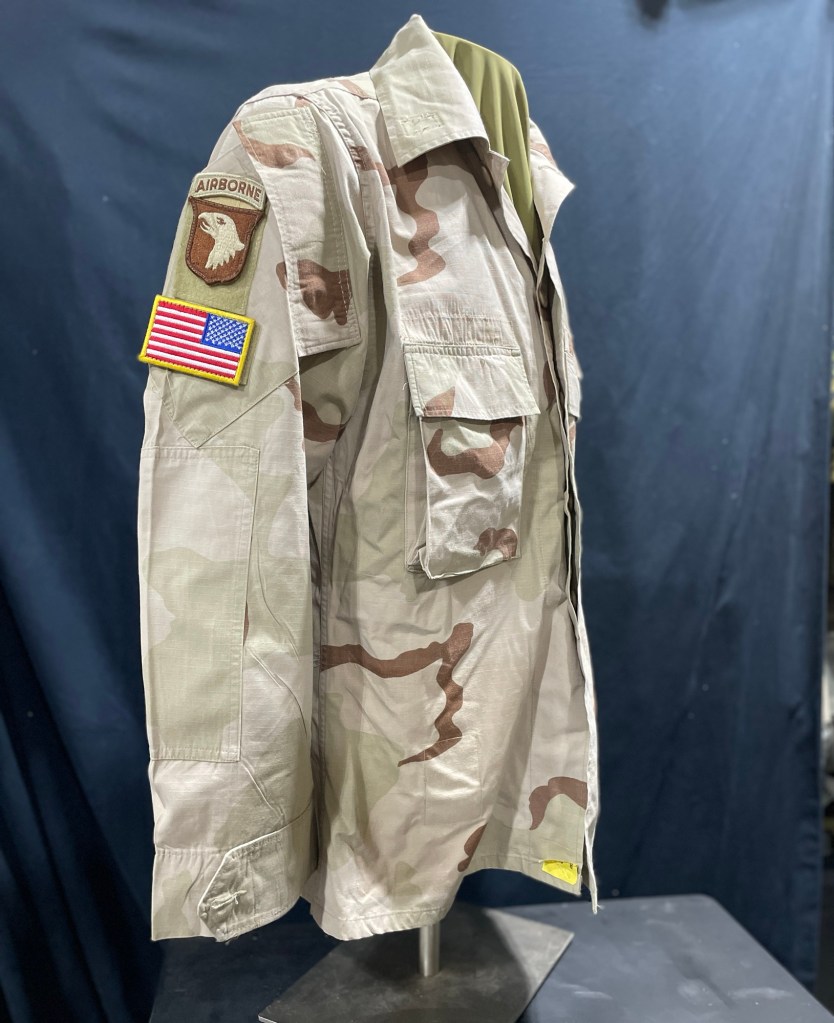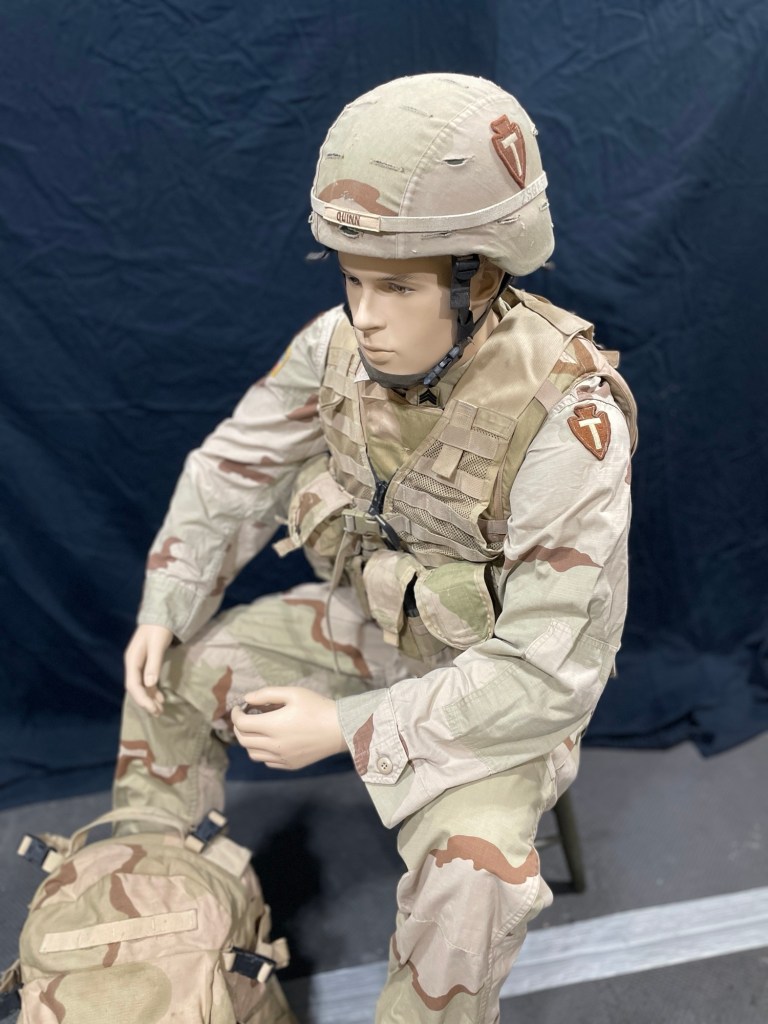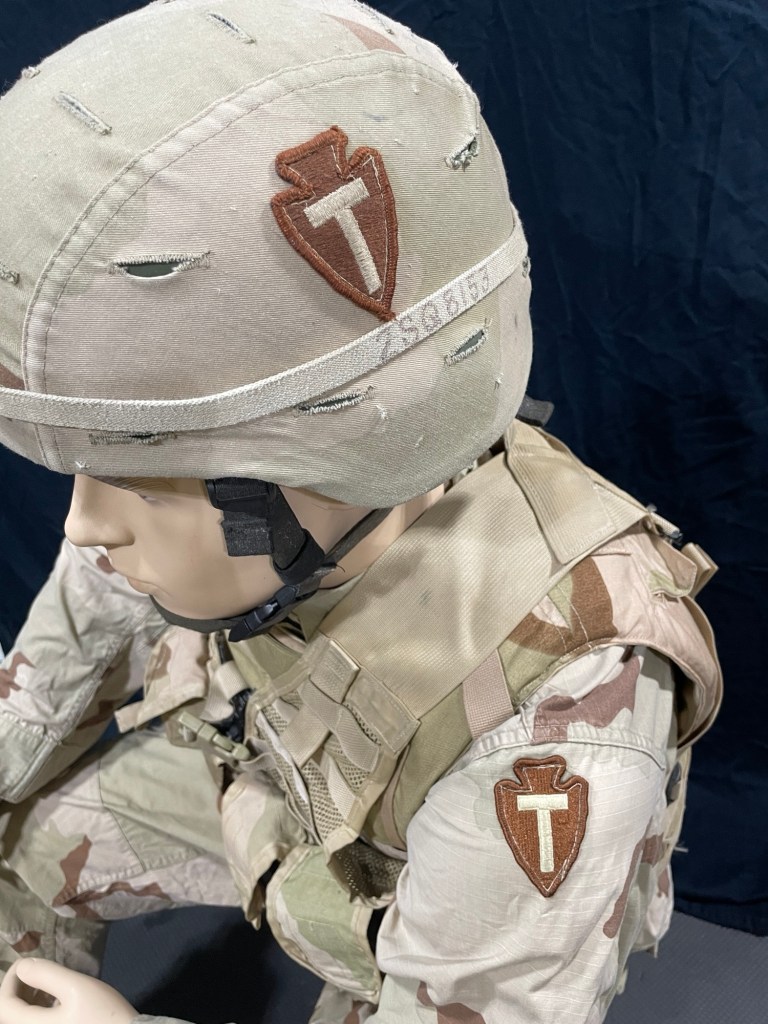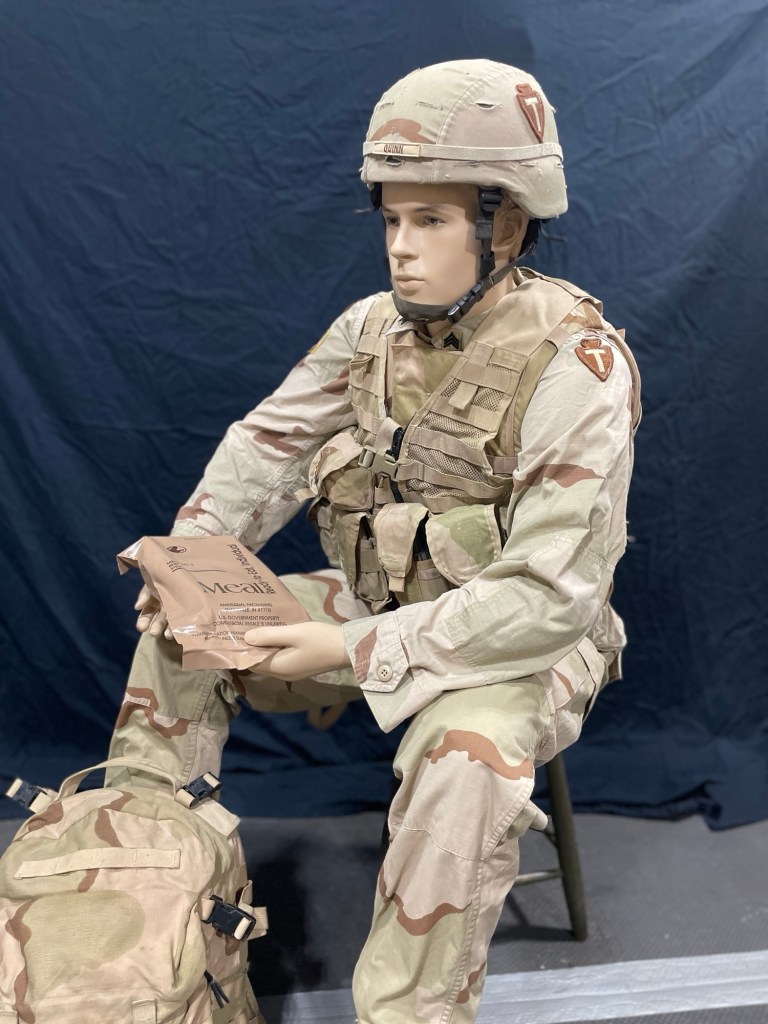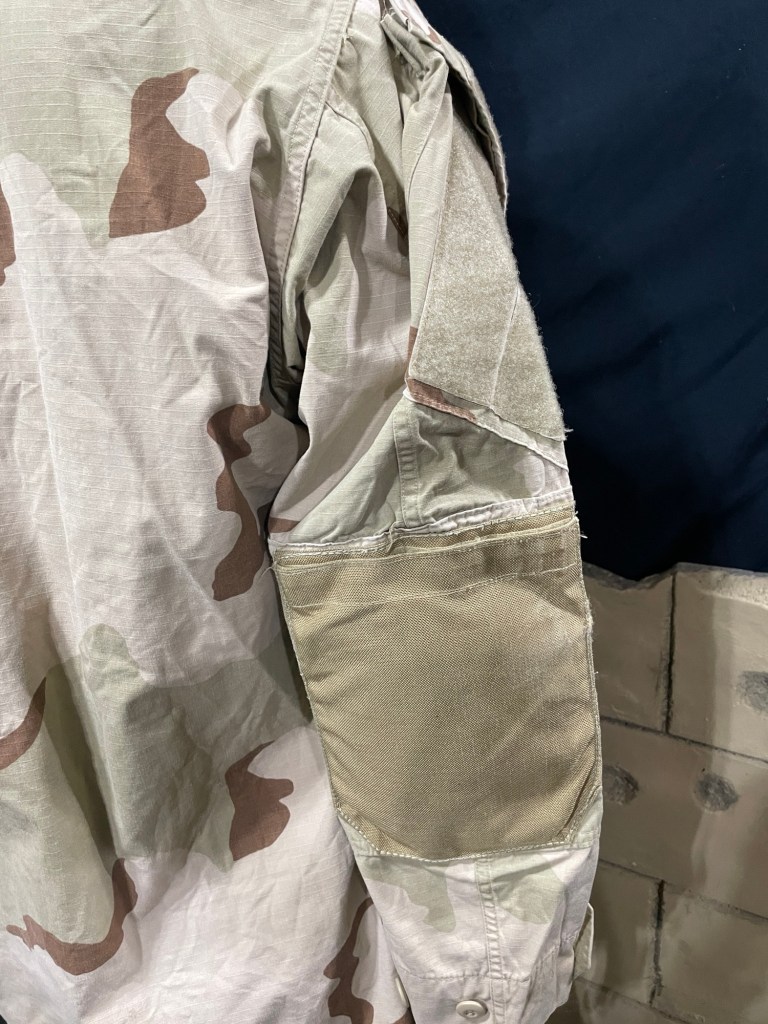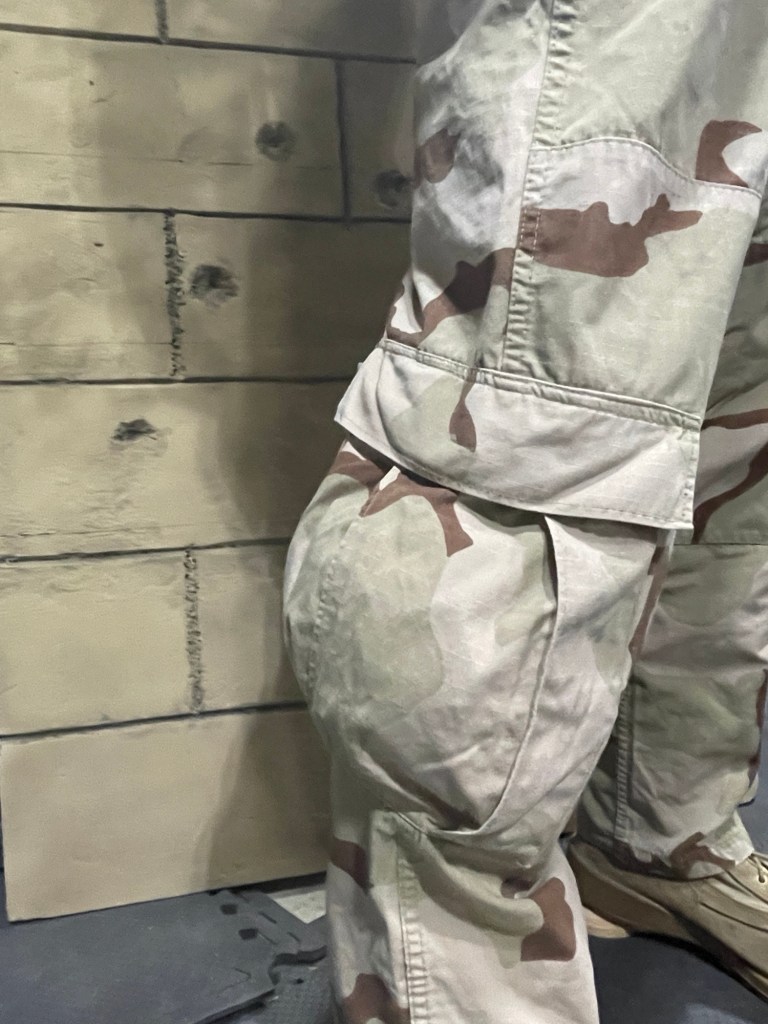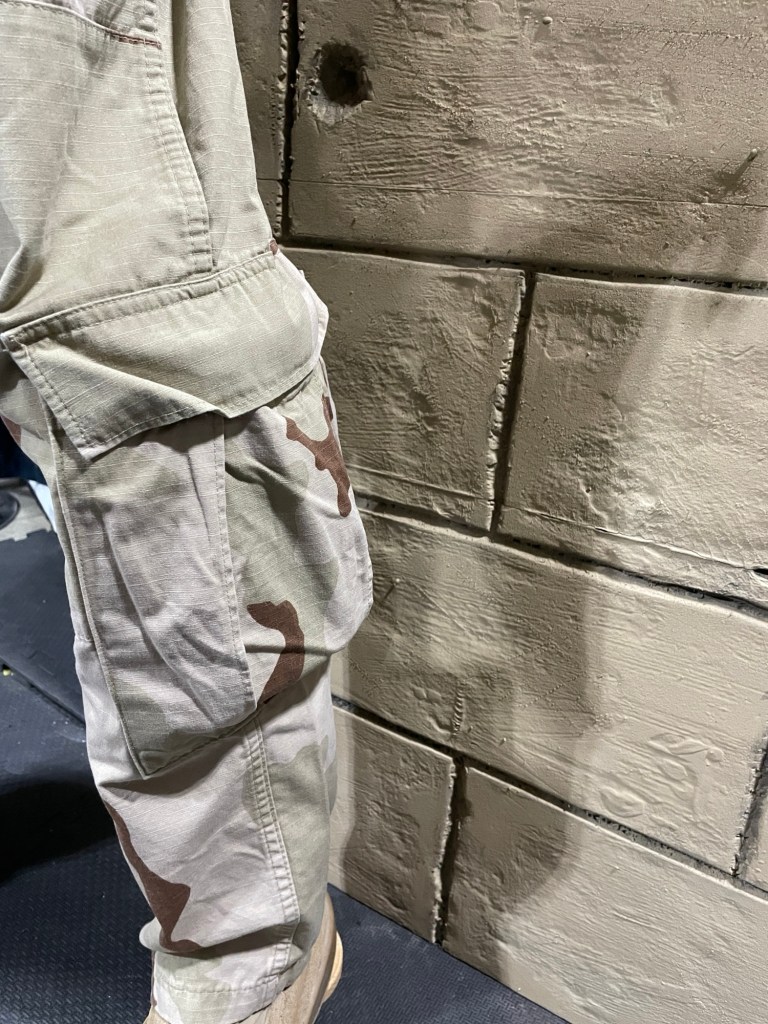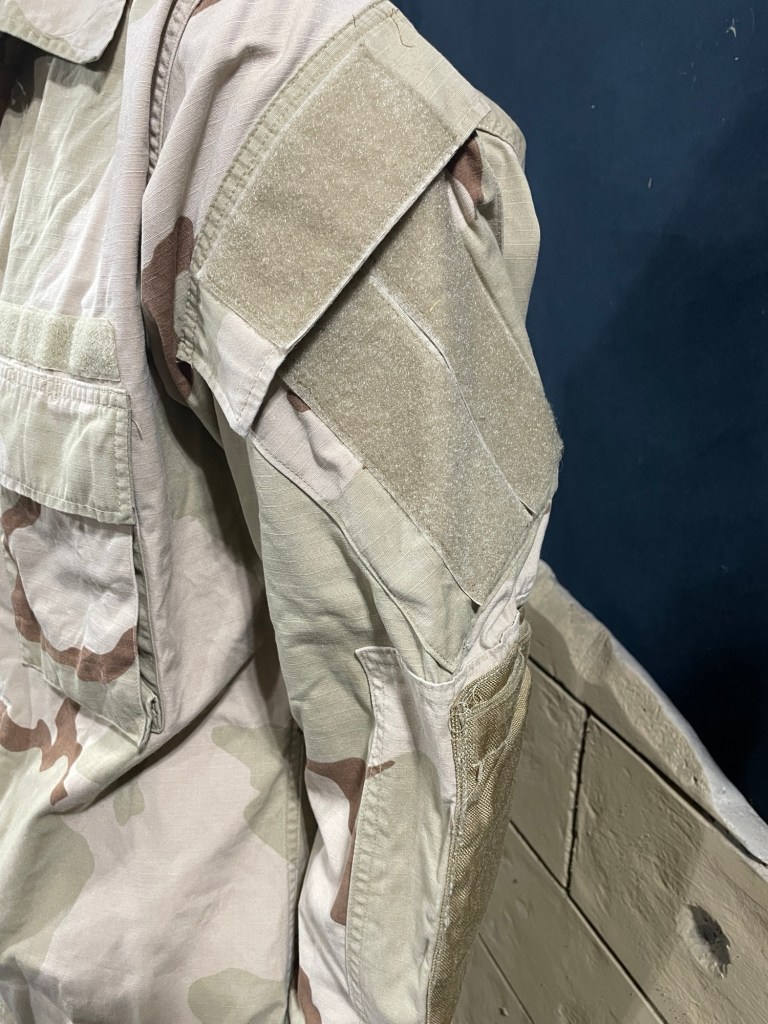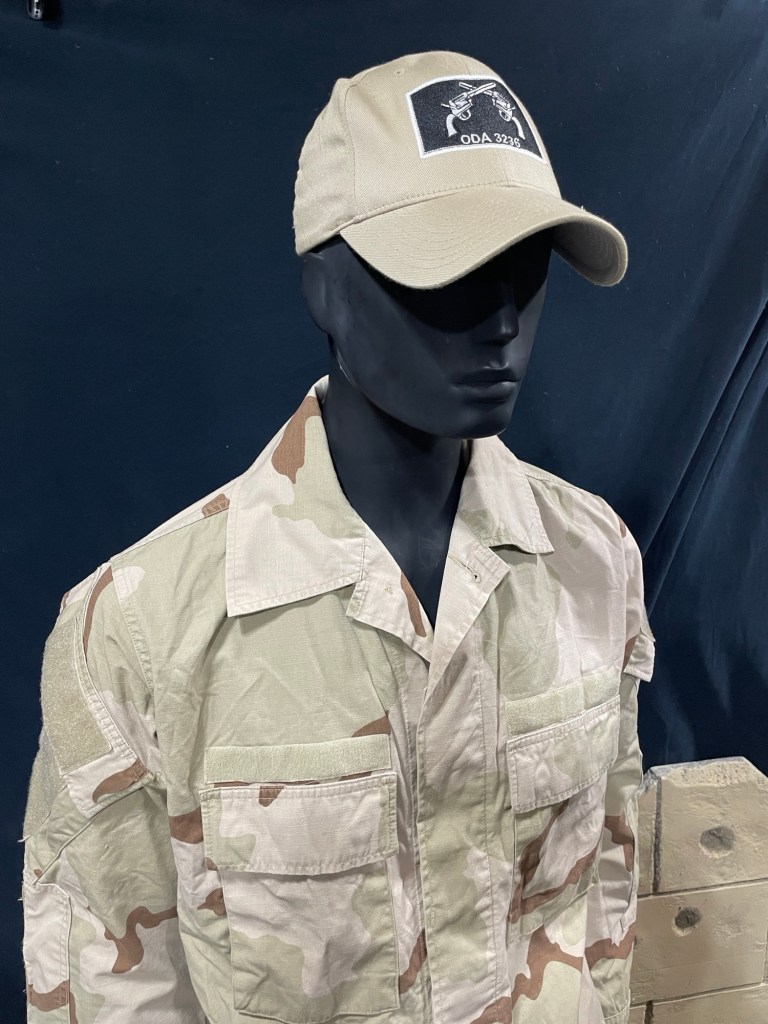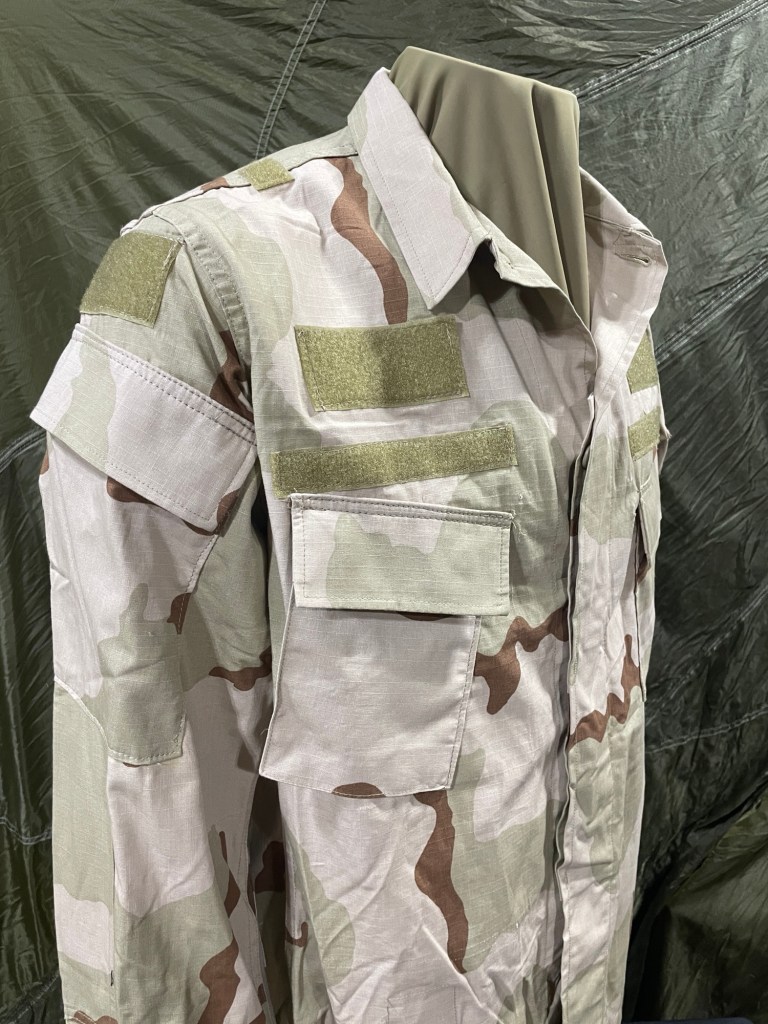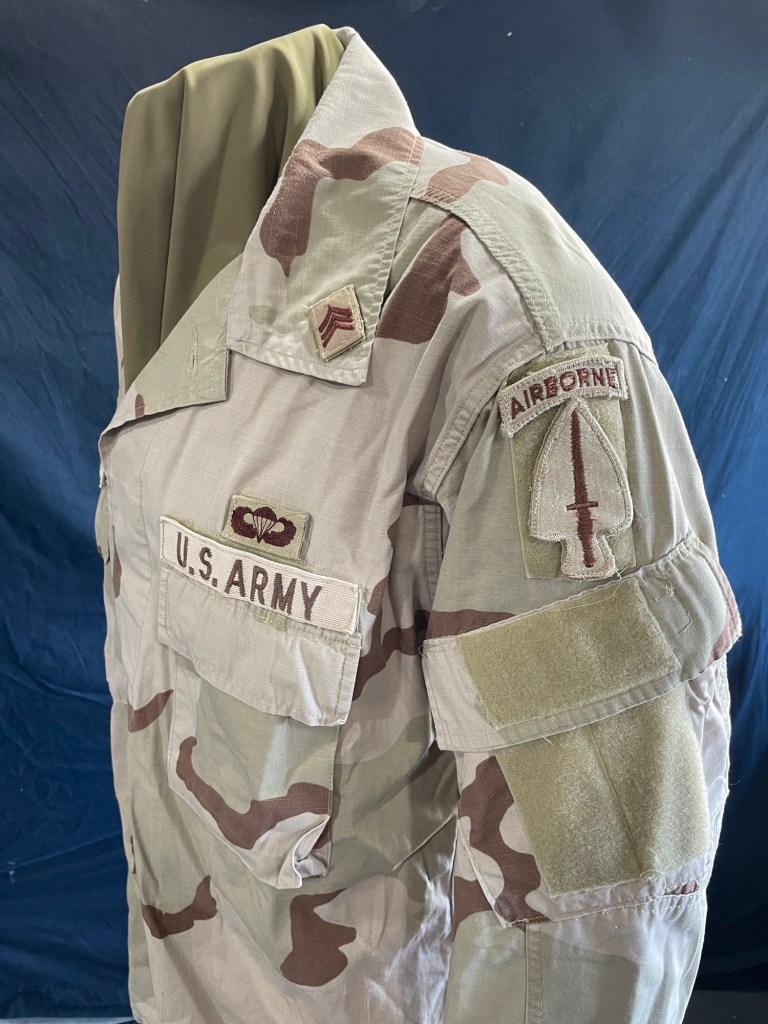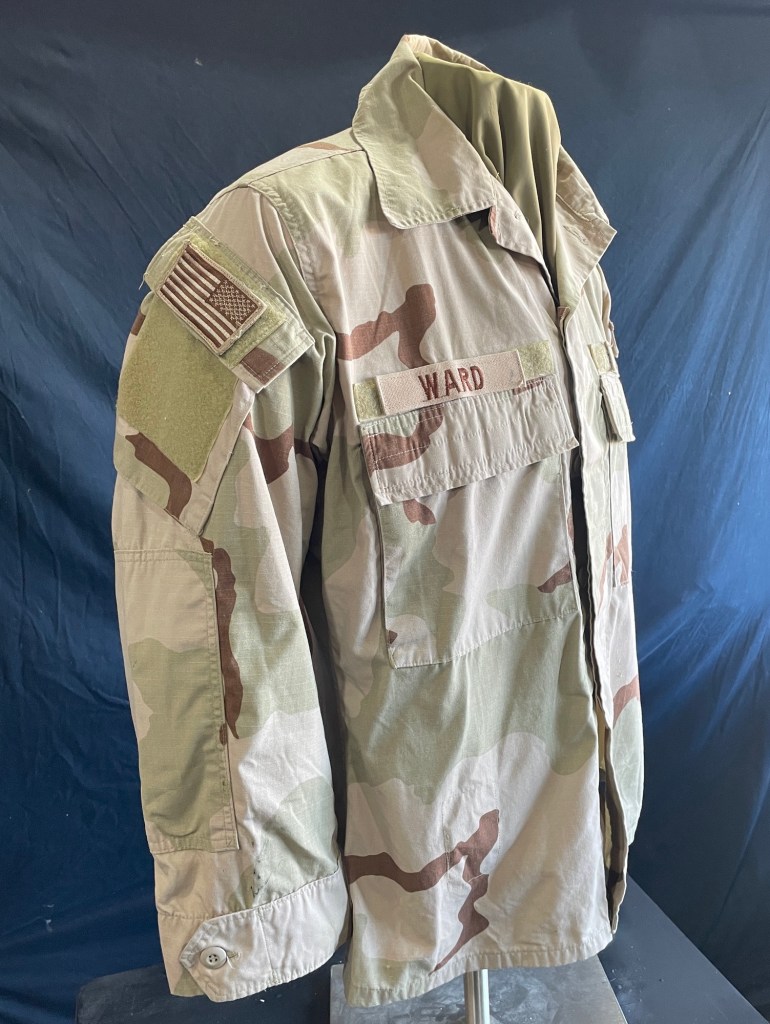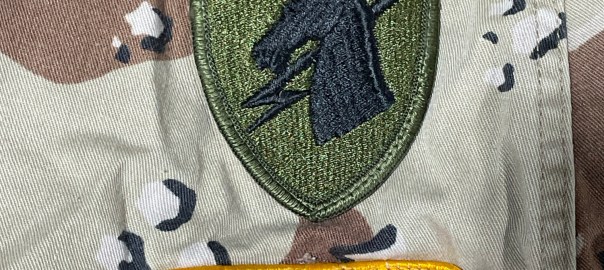
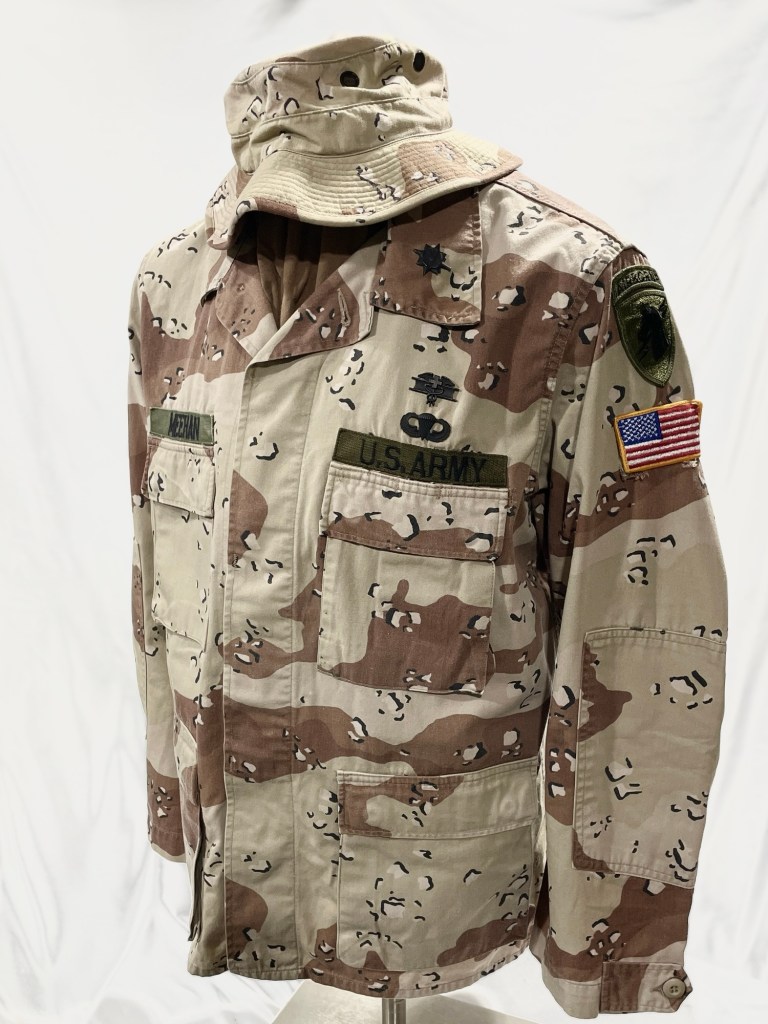
In December 1990, during the buildup to Operation Desert Storm, Lt. Scott Meehan deployed to Saudi Arabia with the 4th Psychological Operations Group (Airborne), 8th Psychological Operations Battalion, serving as a Military Intelligence officer. Initially stationed in Riyadh, his primary responsibility was monitoring incoming intelligence message traffic from frontline units. He analyzed field reports and compiled intelligence summaries for the battalion commander.
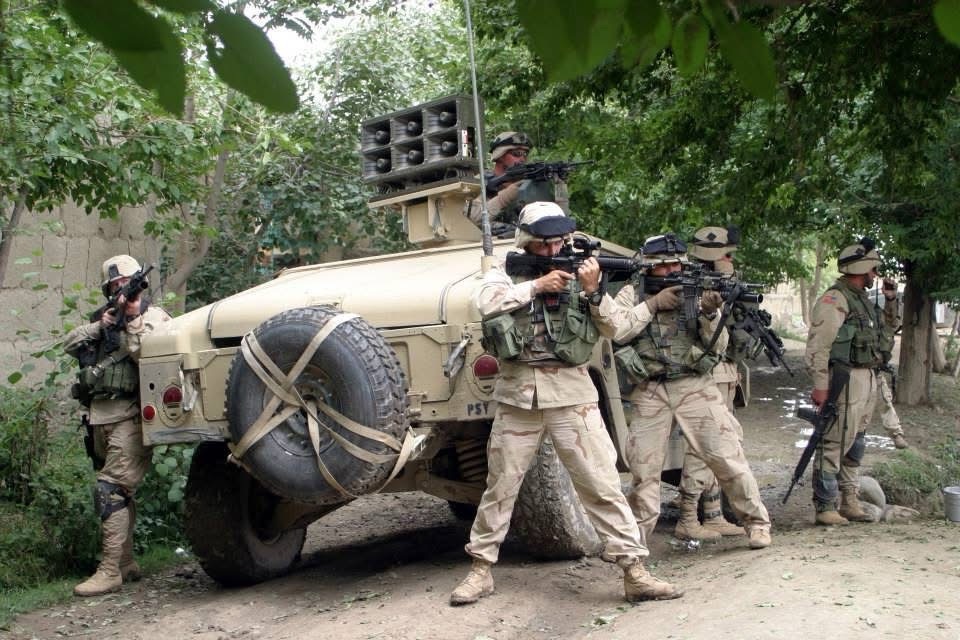
As coalition forces prepared for offensive operations, Major Thomas Gerblick, the lead offensive planner for Lieutenant General Walter Boomer of I Marine Expeditionary Force (I MEF), recognized the need for dedicated Psychological Operations (PSYOP) support alongside ground combat units. He requested PSYOP assets from the 4th Psychological Operations Group. He formed 26 loudspeaker teams consisting of 46 Army PSYOP soldiers, 27 U.S. Marines, and several Kuwaiti linguists. They delivered surrender appeals, instructions, and strategic messaging directly to Iraqi forces.
These teams were deployed forward with ground combat elements in the Saudi desert near the Kuwait border, where I MEF was staging for the liberation of Kuwait. Lt. Scott Meehan was among the Army personnel reassigned to this forward position. In addition to supporting psychological operations efforts, he played a role in intelligence collection by questioning captured enemy prisoners of war. He and his team also interrogated early defectors to gather intelligence and assess the morale of Iraqi forces prior to the advance into Kuwait. These interviews revealed that the coalition air campaign had produced a substantial psychological impact on Iraqi troops, significantly degrading their confidence and willingness to fight. The team relayed this assessment to higher headquarters, reporting that only light resistance was anticipated once ground operations began.
Scott later shared an interesting account: “When more than three thousand prisoners arrived at Kibrit EPW camp, there were only about one hundred Puerto Rican National Guardsmen (MPs), along with a few special teams, manning the facility. We found one detainee who spoke perfect English and told us he was an American from Detroit who wanted to go home. He said he had been visiting his cousins in Baghdad and was at a club when Saddam’s troops raided the place, rounded up all the men over eighteen, loaded them onto a truck, and transported them to the front lines.”
Sources:
-Meehan, Scott. All I Could Be. CreateSpace Independent Publishing Platform, 2011.
-Scott Meehan, conversation with Jeremy Albright, February 20, 2026
-U.S. Marines in the Persian Gulf, 1990–1991: With the I Marine Expeditionary Force in Desert Shield and Desert Storm (History and Museums Division, Headquarters, U.S. Marine Corps)