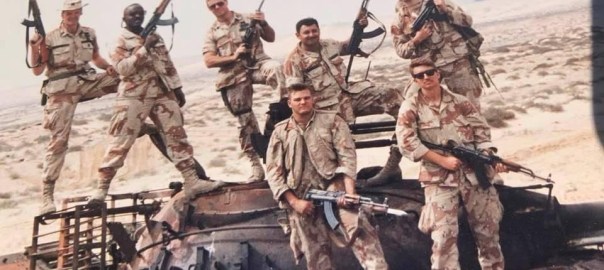
Operation Desert Storm, 1991
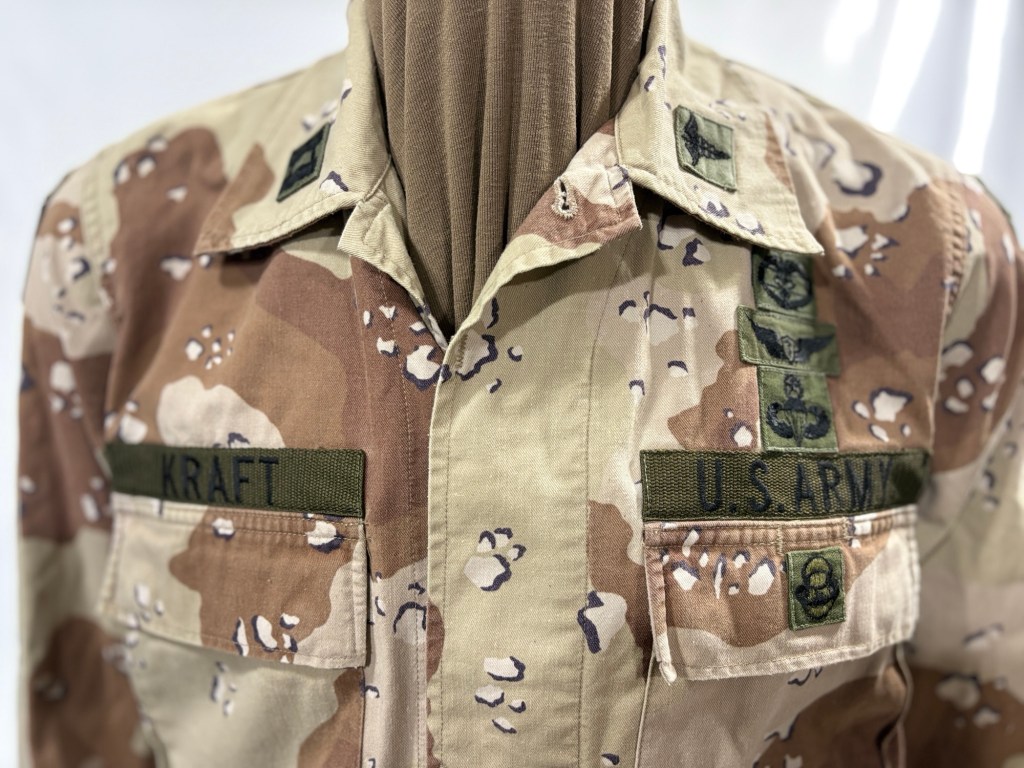
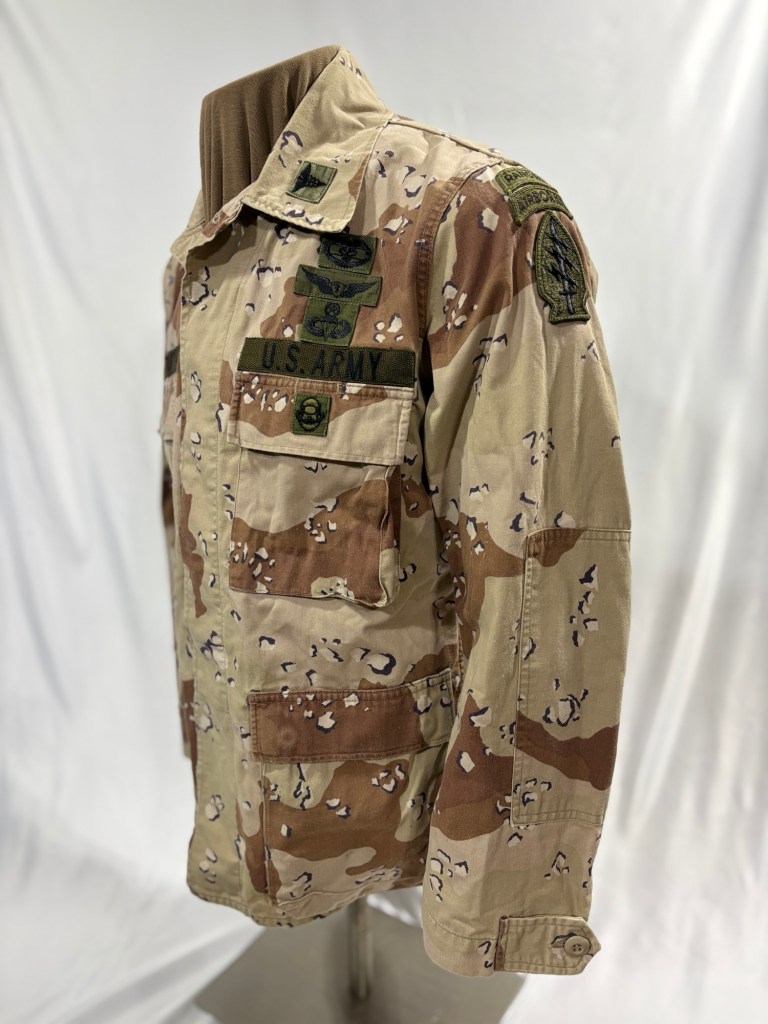
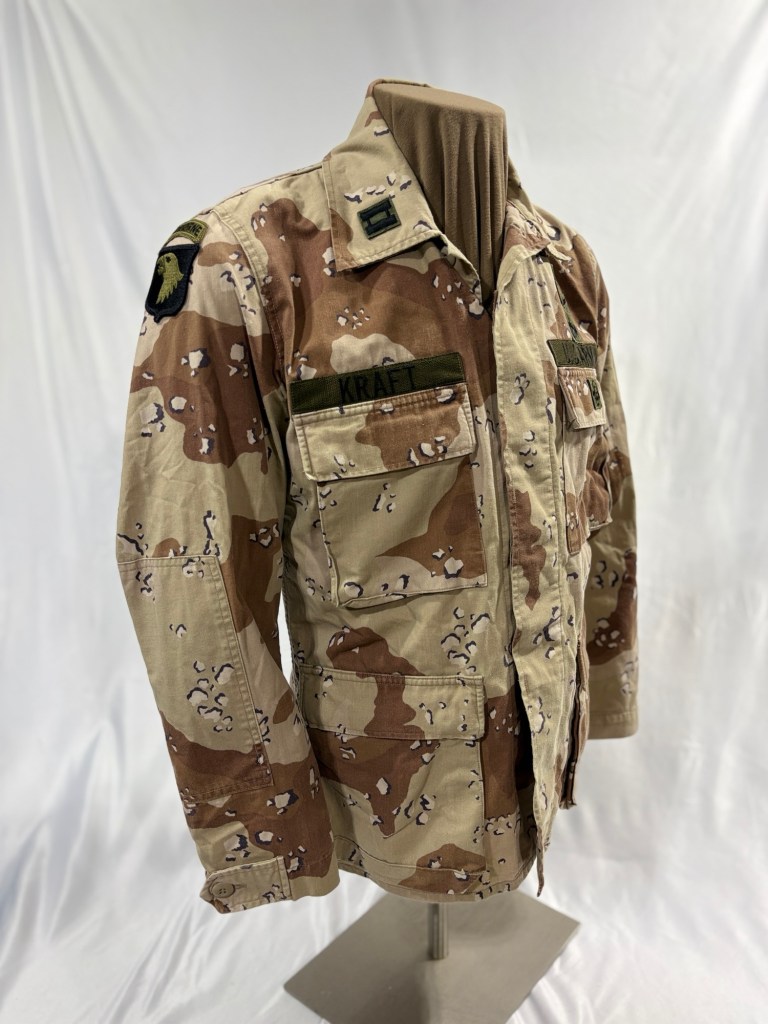
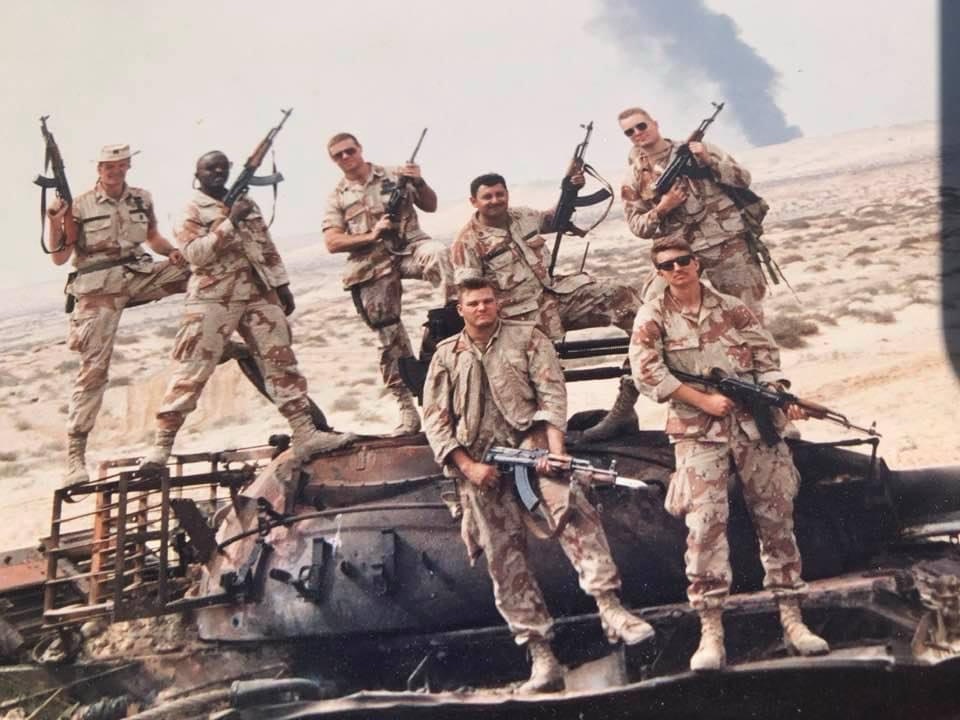
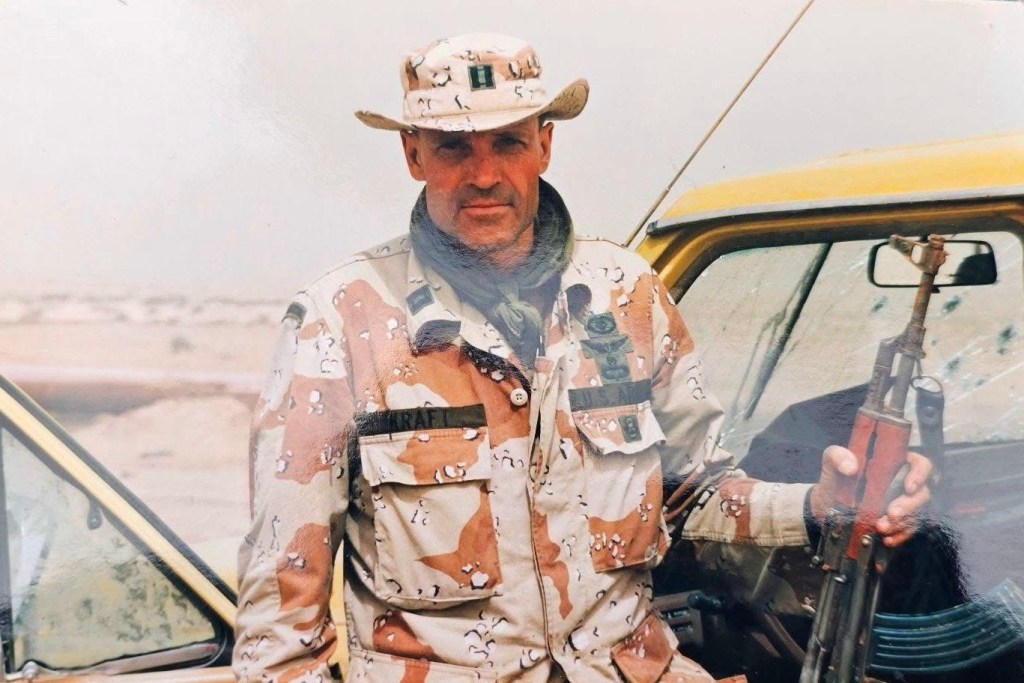
During Desert Shield and Desert Storm, Kraft served as a field surgeon with the 528th Support Battalion, supporting 5th Special Forces Group. The 528th provided transportation, supplies, ammunition, maintenance, and medical support, and supplied 5th SFG with ammunition as the group repeatedly exhausted its standard supply. Kraft recalled that his unit obtained AKs from dead Iraqi soldiers because ammunition for those weapons was easier to obtain in theater, and the 528th eventually obtained about 50,000 rounds of AK ammunition for coalition forces. Kraft provided medical care to the troops as the battalion’s field surgeon and received his second Combat Medical Badge for Desert Storm.^1,2
Operation Iraqi Freedom, 2005
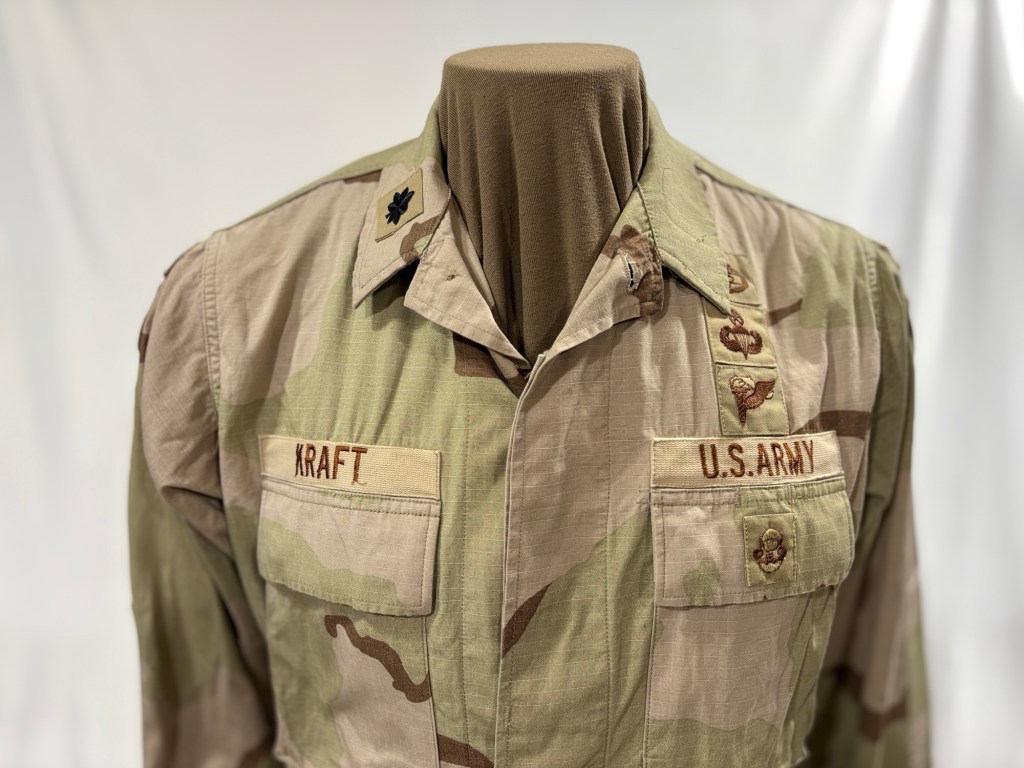
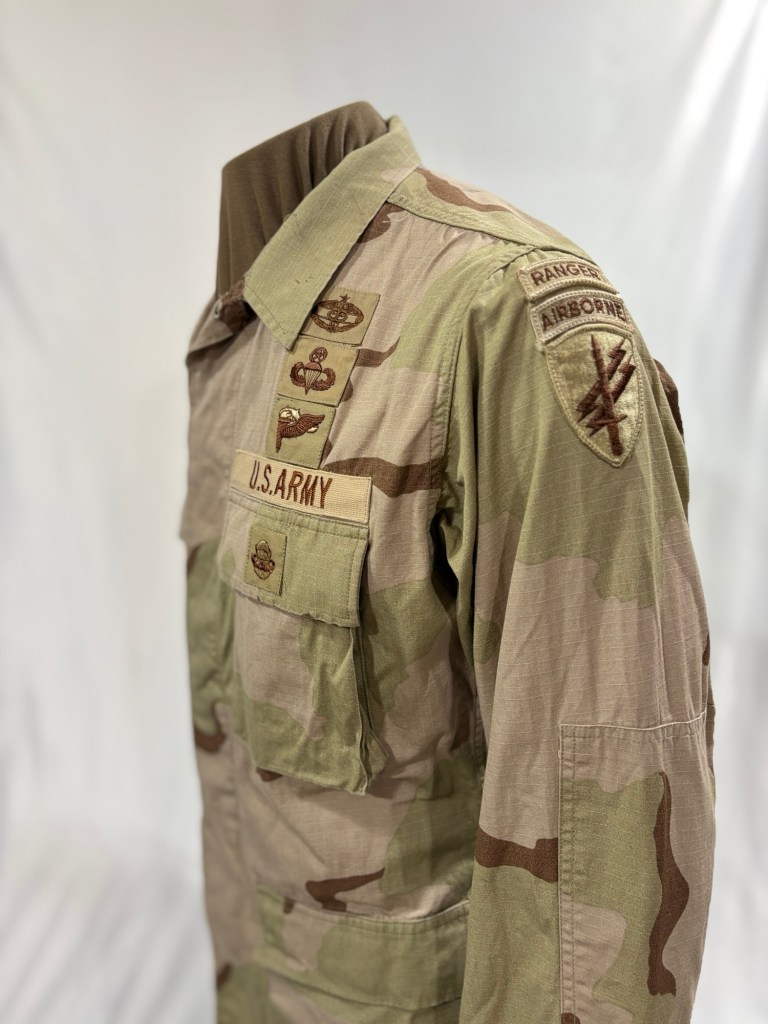
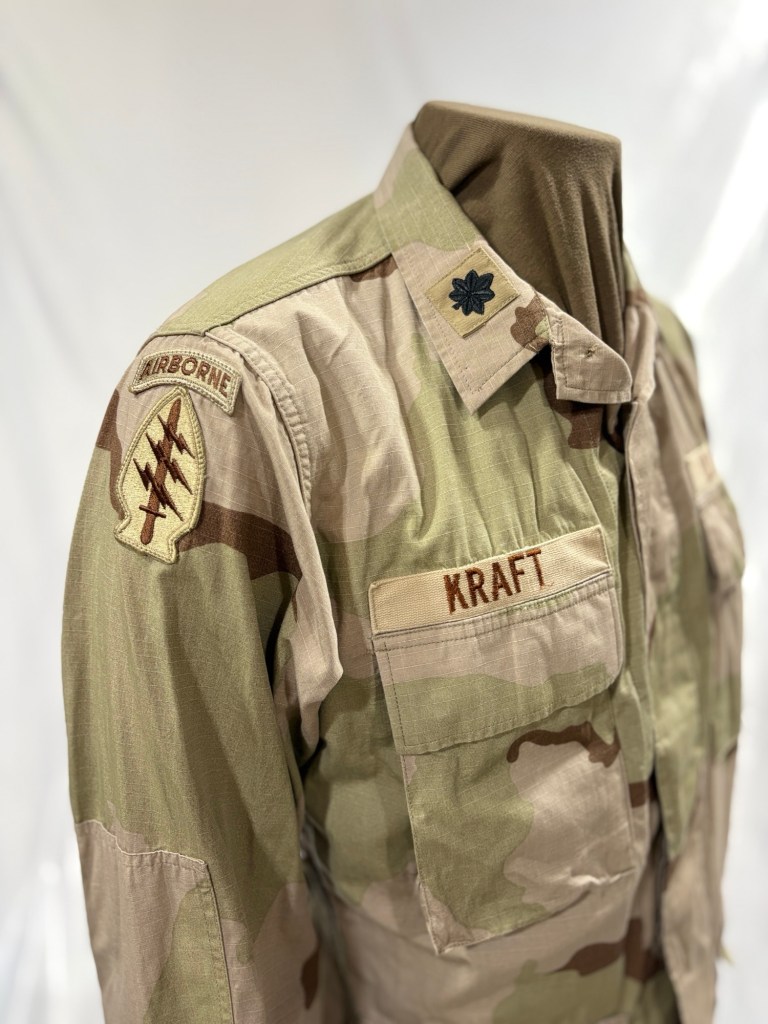
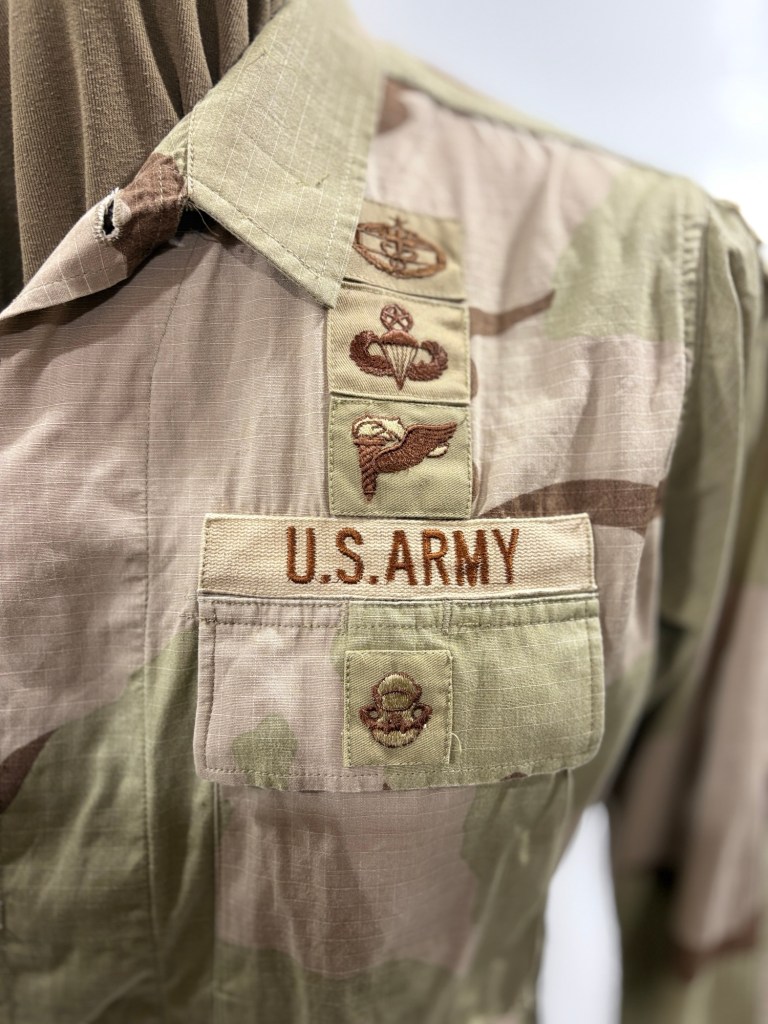
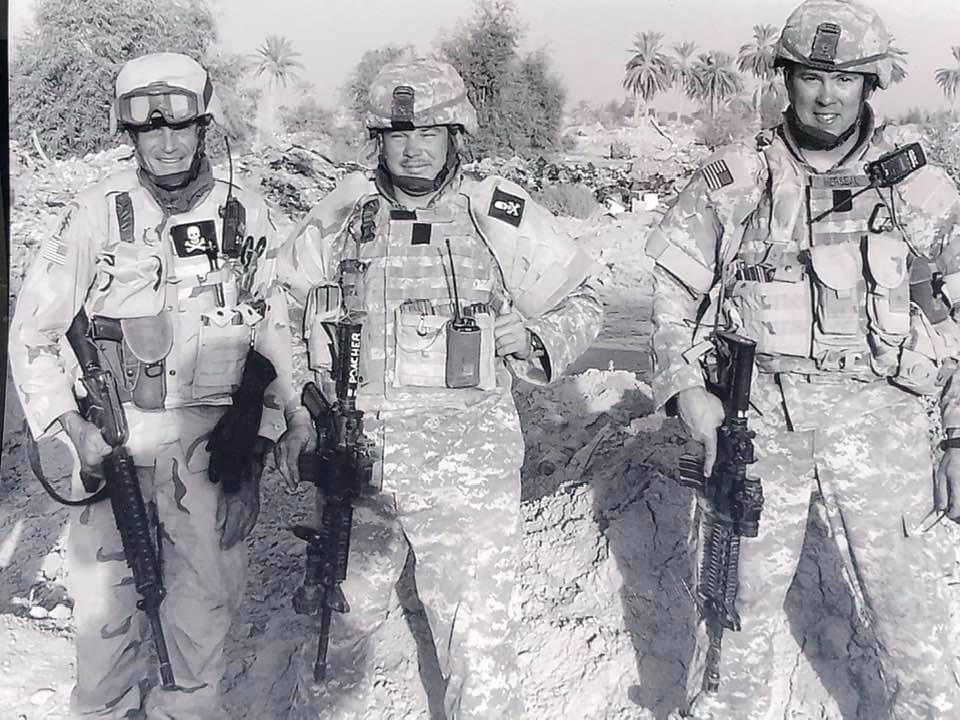
Kraft returned to Iraq in 2005 as a public health officer, when he was approximately 60 years old. He provided medical care to U.S. troops and members of the Iraqi population, including detainees. Kraft was believed to have deployed with the 445th Civil Affairs Battalion, a California based unit headquartered in Mountain View, although his specific Civil Affairs assignment has not yet been confirmed.^6
Kraft also recalled being disappointed that he believed his Iraq service should have qualified him for a third Combat Medical Badge. He said he pursued the award, but the U.S. Army denied it.^6
Doc Kraft’s Non-GWOT service history:
Vietnam War, 1963–1966
Kraft entered the Army on September 17, 1963, as a 91B Medical Specialist with the 101st Airborne Division. He deployed to Vietnam in 1965 as an enlisted combat medic and received his first Combat Medical Badge.^1
Medical School, 1970s
After leaving active duty in 1966, Kraft remained in the Army Reserve as a 91B medical specialist through approximately 1970. He attended the Universidad Autónoma de Guadalajara medical school in Mexico, graduating in 1975, and later completed clinical training at UCSF.^2
El Salvador, 1984
During the Salvadoran Civil War, Soldier of Fortune magazine supported several private organizations that provided additional assistance to Salvadoran forces because the U.S. military was limited to 50 advisers at a time. One of those organizations was Refugee Relief International (RRII), which provided medical assistance in El Salvador.^3
Kraft joined RRII as a physician in 1984, taking part in medical treatment and helicopter MEDEVAC operations following fighting in Cabañas.^3
Operation Uphold Democracy, Haiti, 1994
Kraft was assigned to the 6235th USAH in Novato, California, before transferring to the 450th Civil Affairs Battalion in Riverdale, Maryland. He was called to active duty from September 14 through November 29, 1994, for Operation Uphold Democracy, serving as a Medical Corps/public-health officer with the 450th. A September 28, 1994 Los Angeles Times article independently identified him as Army Reserve Maj. Frederick Kraft, while he was serving in Port-au-Prince during the operation.^5
Author’s note:
Kraft passed away in 2025.
If you knew or served with Doc Kraft and have stories, photographs, or details about his service that could help fill in the blanks, please reach out to me. I realized after his death that I have even more questions about his military career than I did before.
Citations:
1: Frederick Bruce Kraft, partial DD-214 and military personnel records.
2:“Foreign Medical School Grads Claim California Licensing Rules Unfair,” Los Angeles Times, August 10, 1987.
3: “Refugee Relief International,” Soldier of Fortune, August 1984.
4: Christopher E. Howard, “Beyond the Numbers: The 528th Support Battalion in Operations DESERT SHIELD & DESERT STORM,” U.S. Army Special Operations Command History and Archives, May 2021.
5: Mark Fineman, “Guns-for-Cash Plan Runs Up Against Fear,” Los Angeles Times, September 28, 1994; U.S. Army, 450th Civil Affairs Battalion Lineage and Honors.
6: Frederick Bruce Kraft, deployment photographs shared by Kraft; telephone interview by Jeremy Albright, July 11, 2022.
 GWOT museum