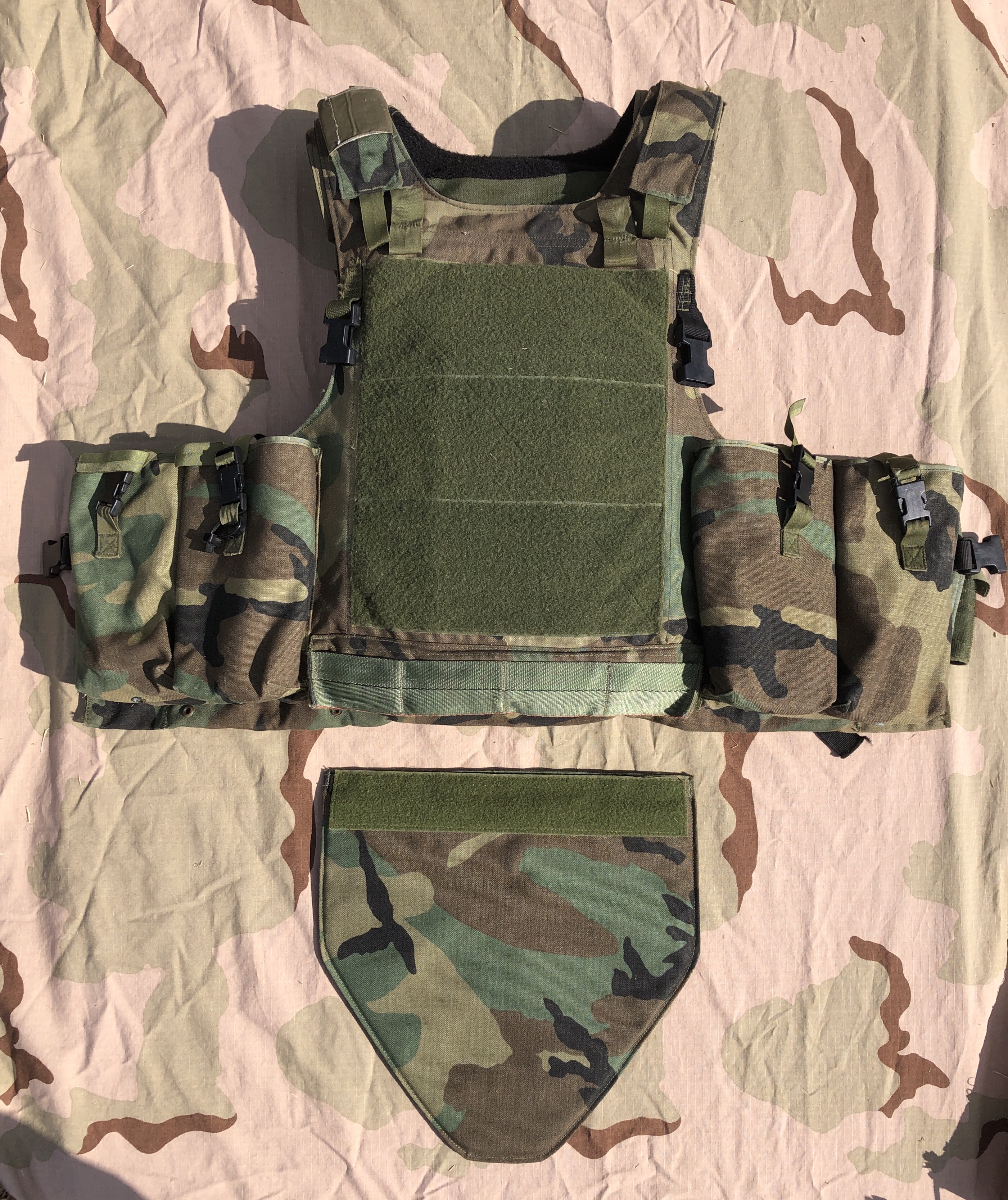
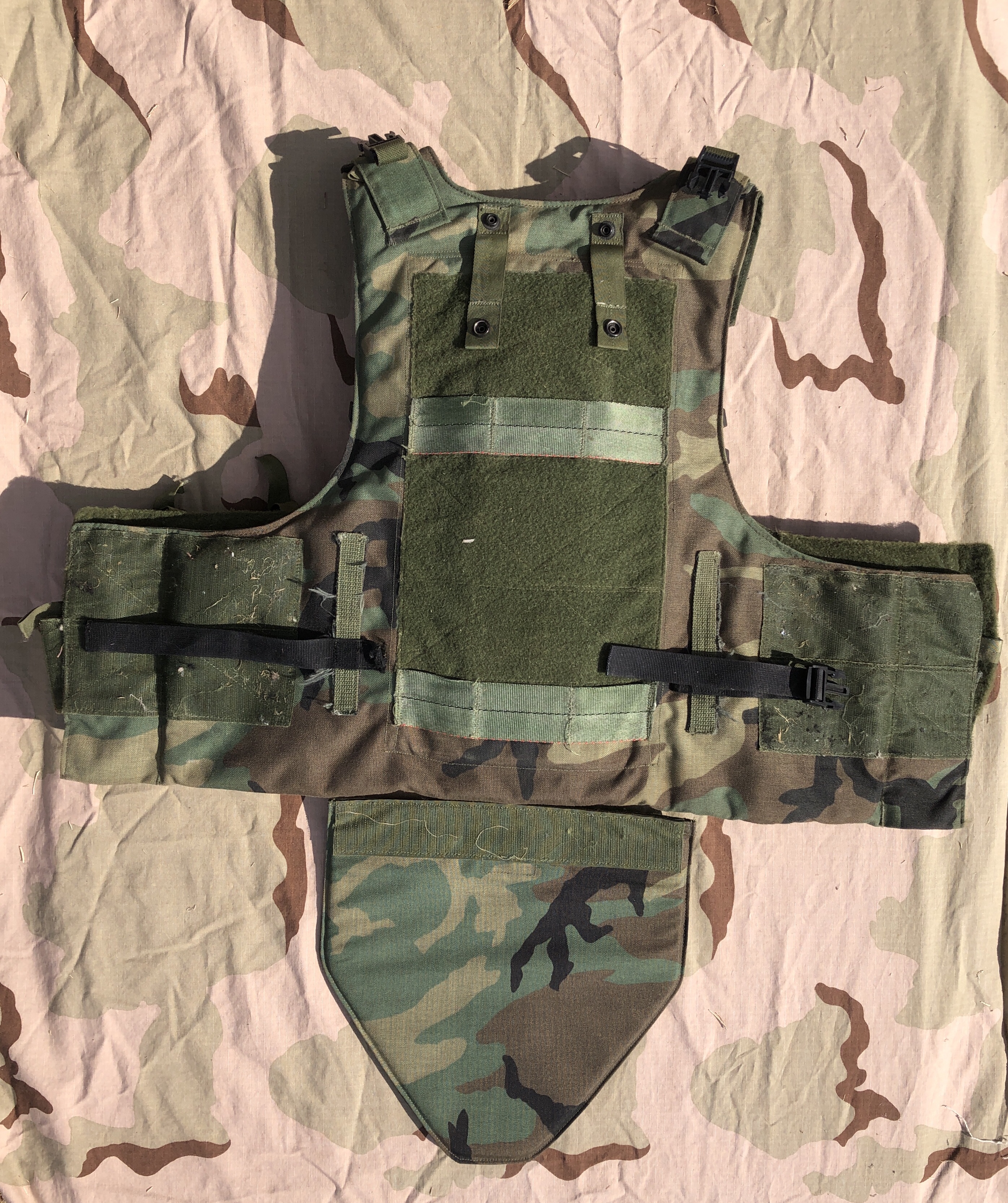
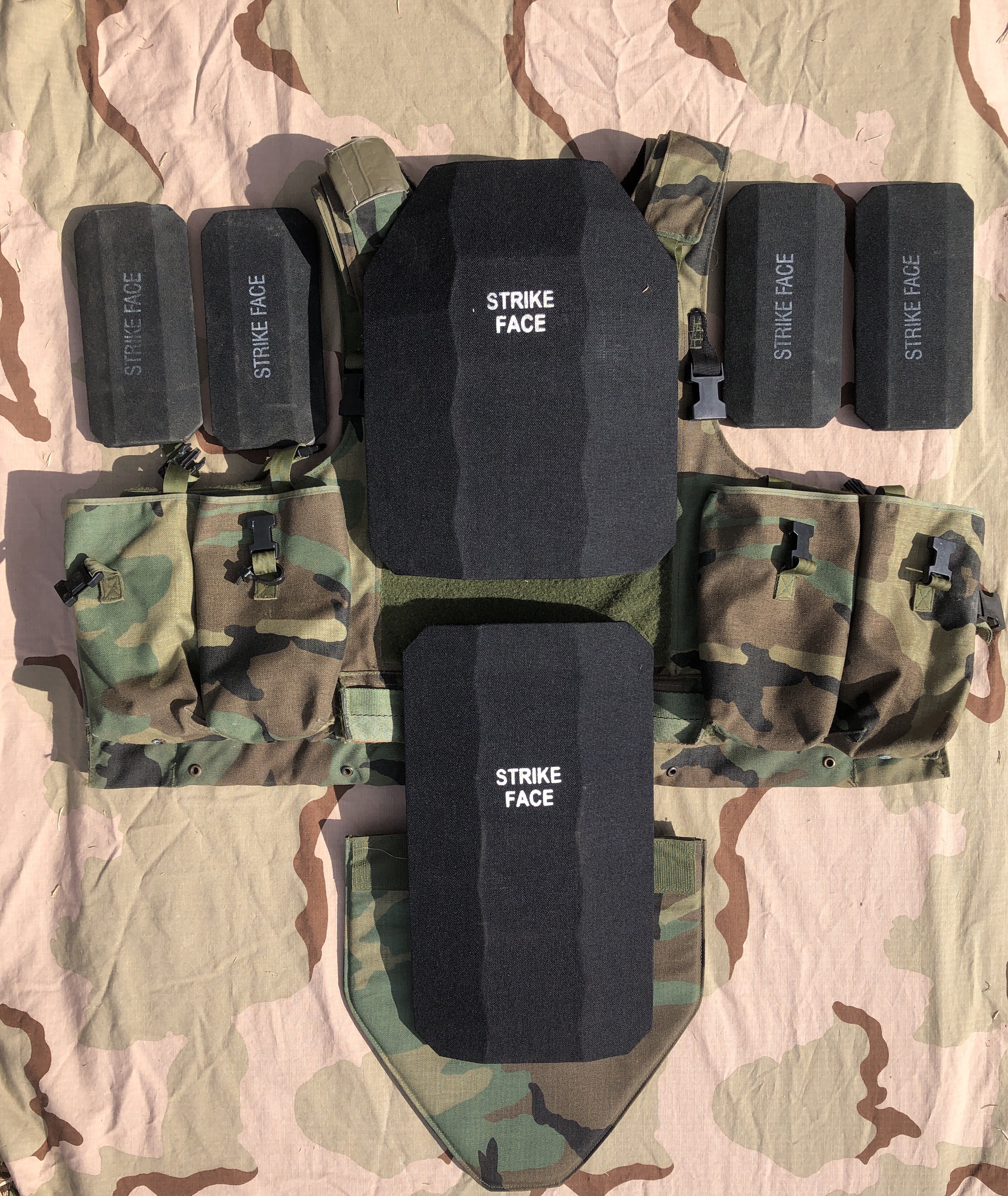
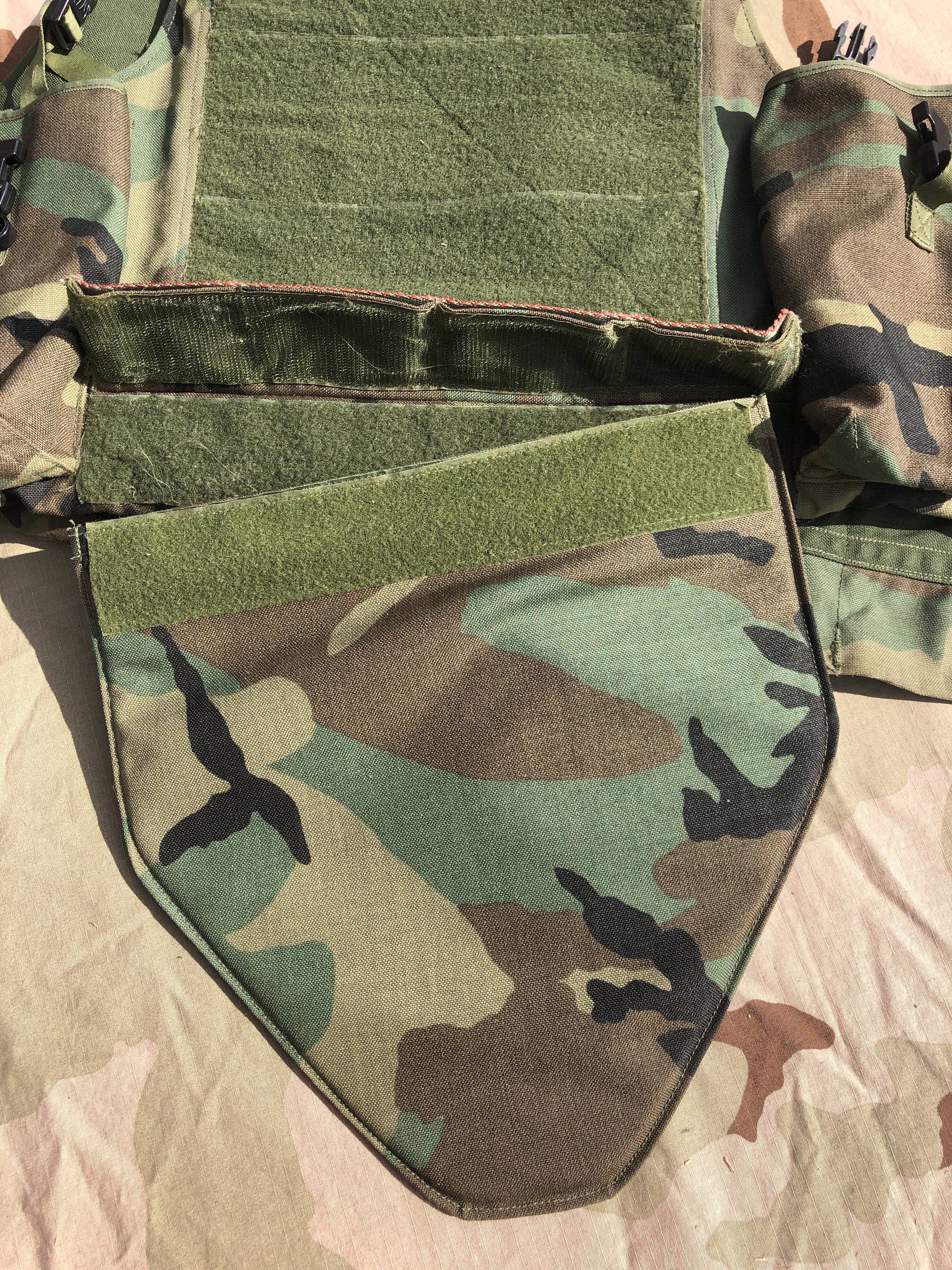
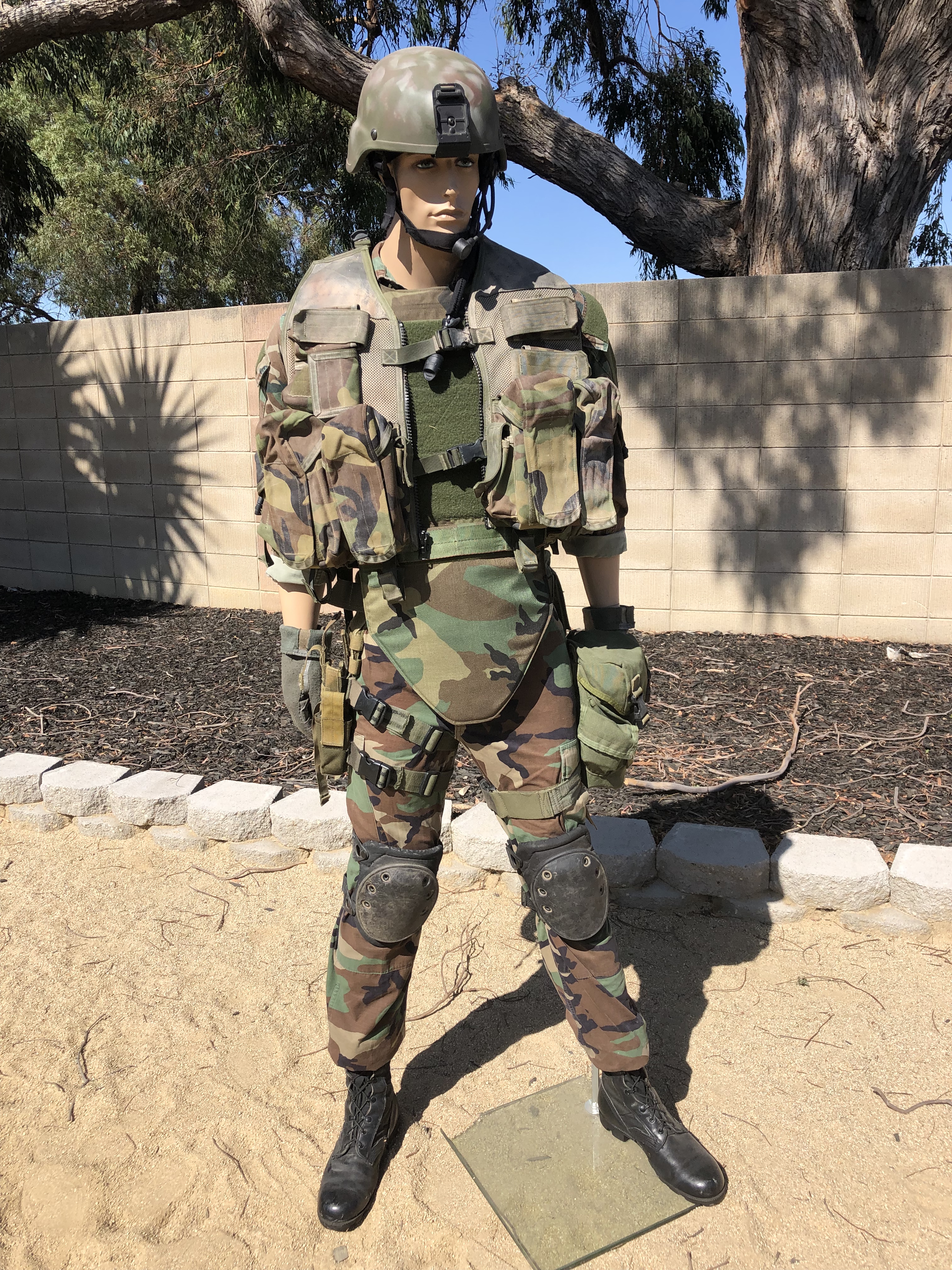
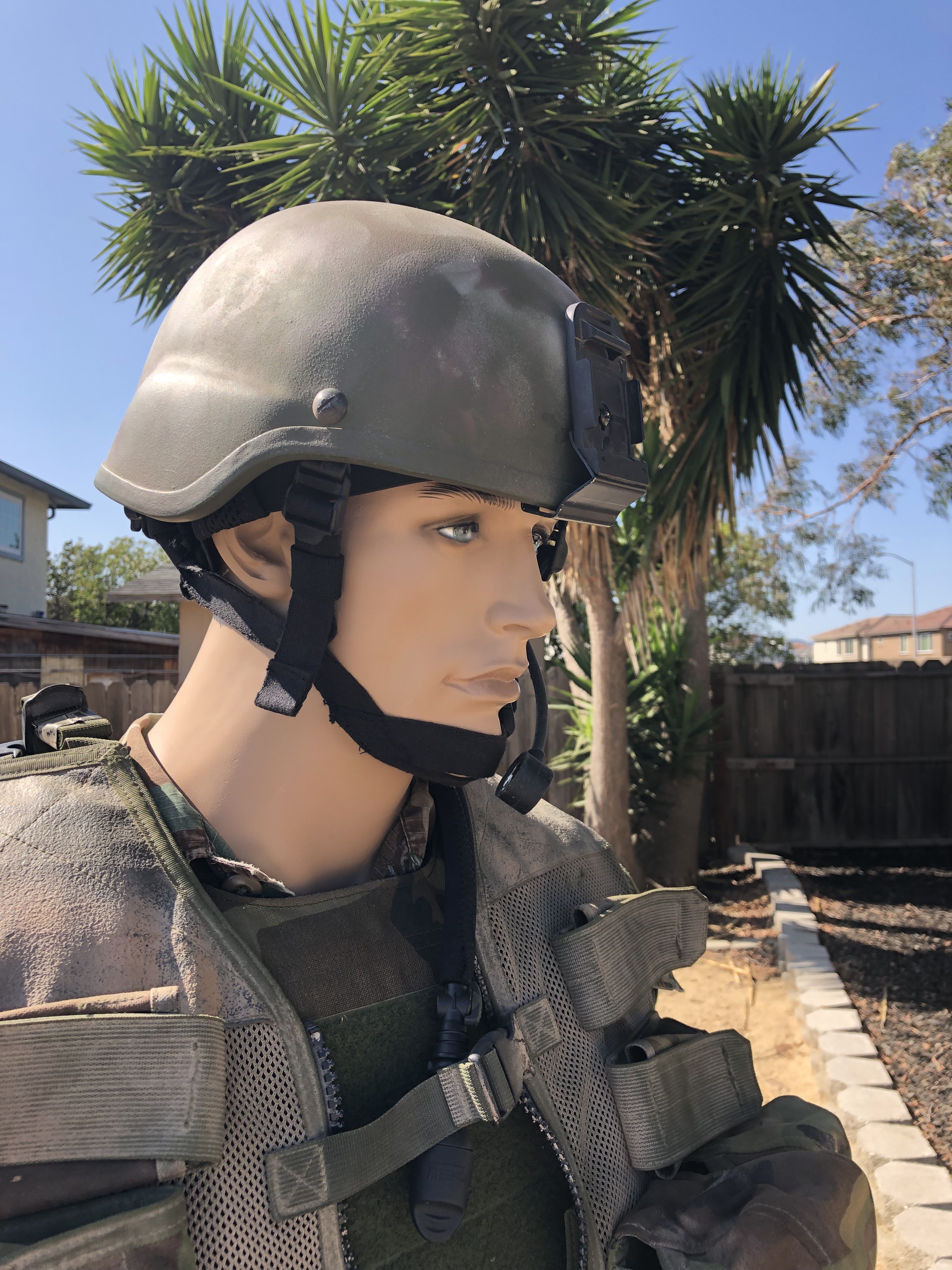
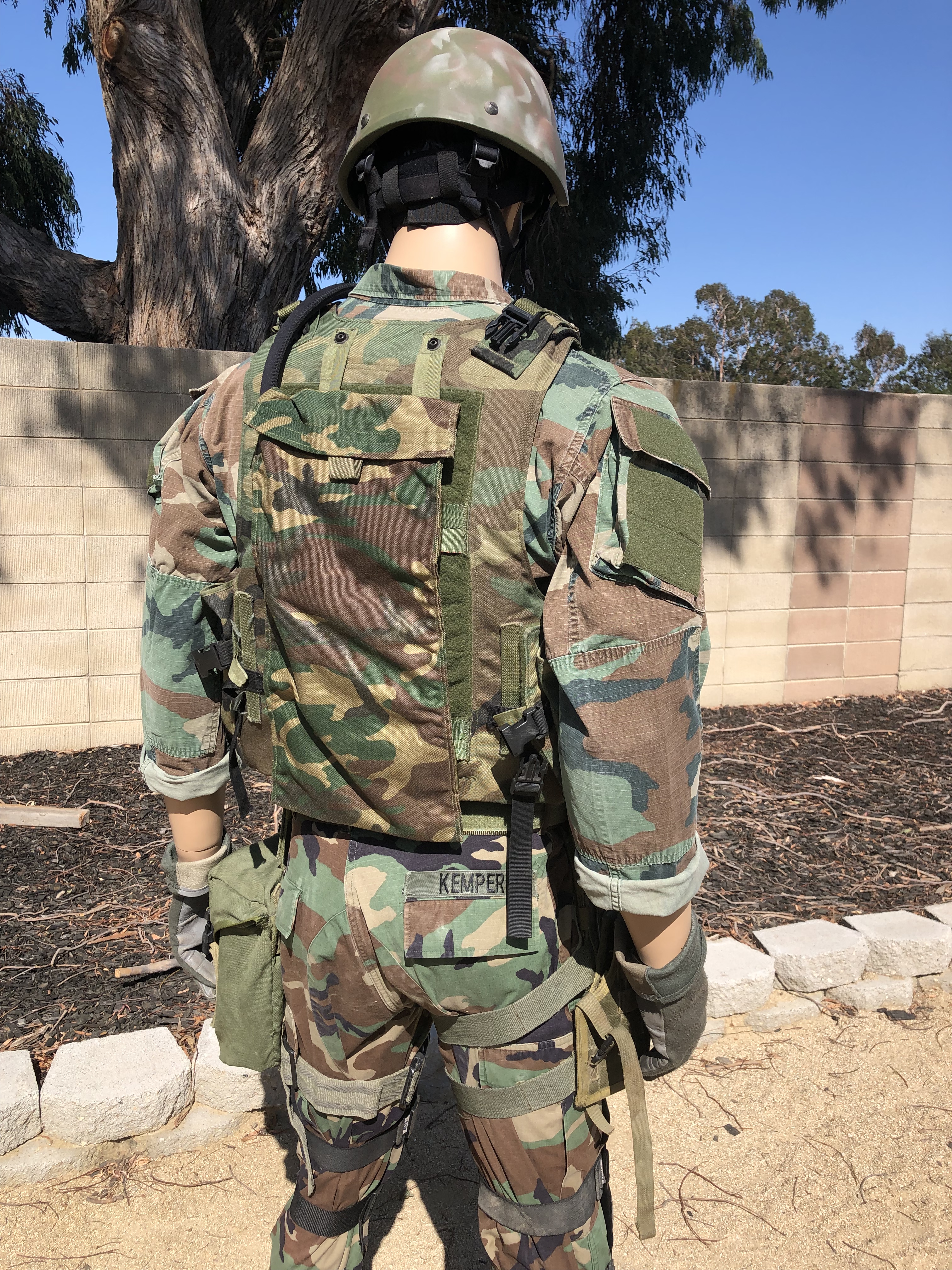
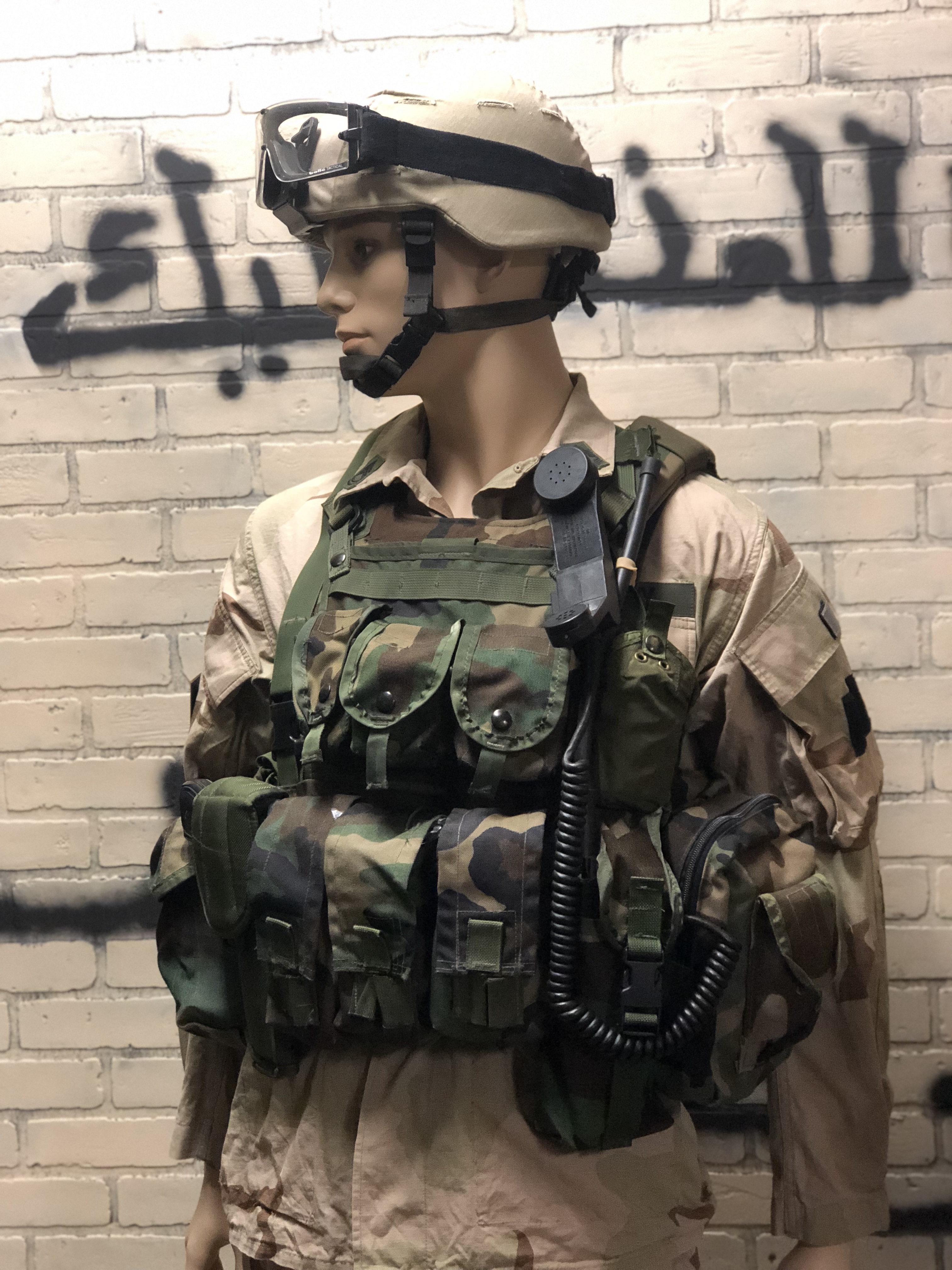
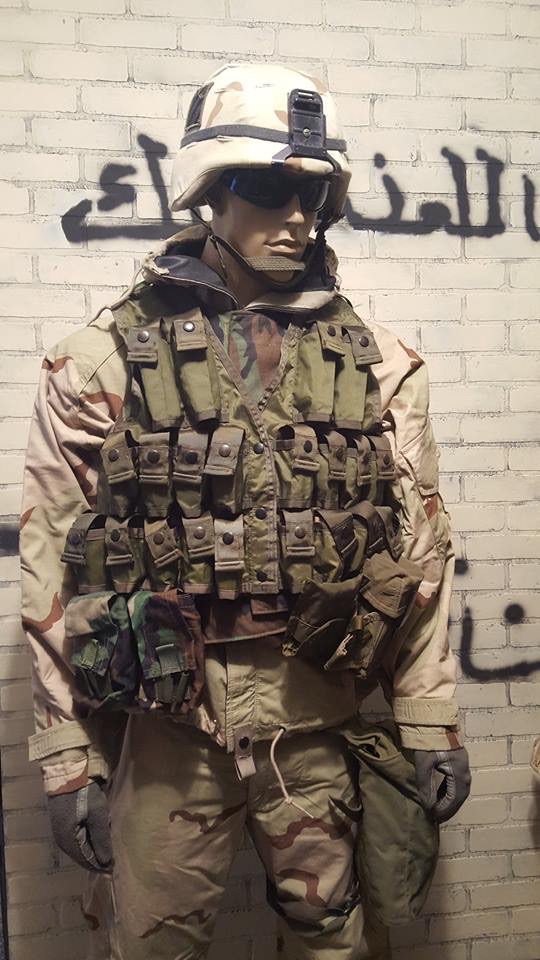
The Personal Ballistic Protective Vest or PBPV for short, was one of the most advanced body armor designed in late 1990’s, manufactured by Pointblank Body Armor, inc. It has soft armor inserts and six hard plates. It also has optional groin protector.
The PBPV was issued only to US. Army’s Direct Action/ Counter-Terrorism (DA/CT) units such as Delta Force and Special Forces Groups’ Combatant Commanders In-extremis Force (CIF) companies.
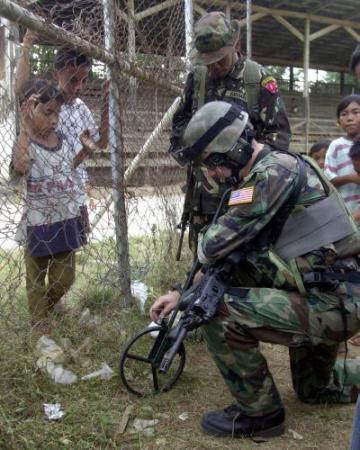
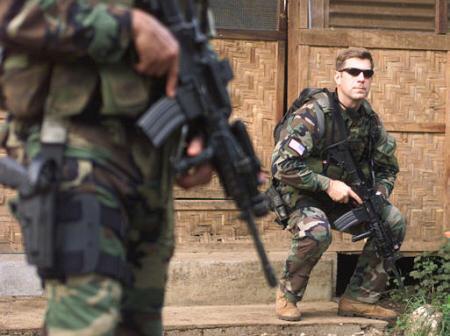
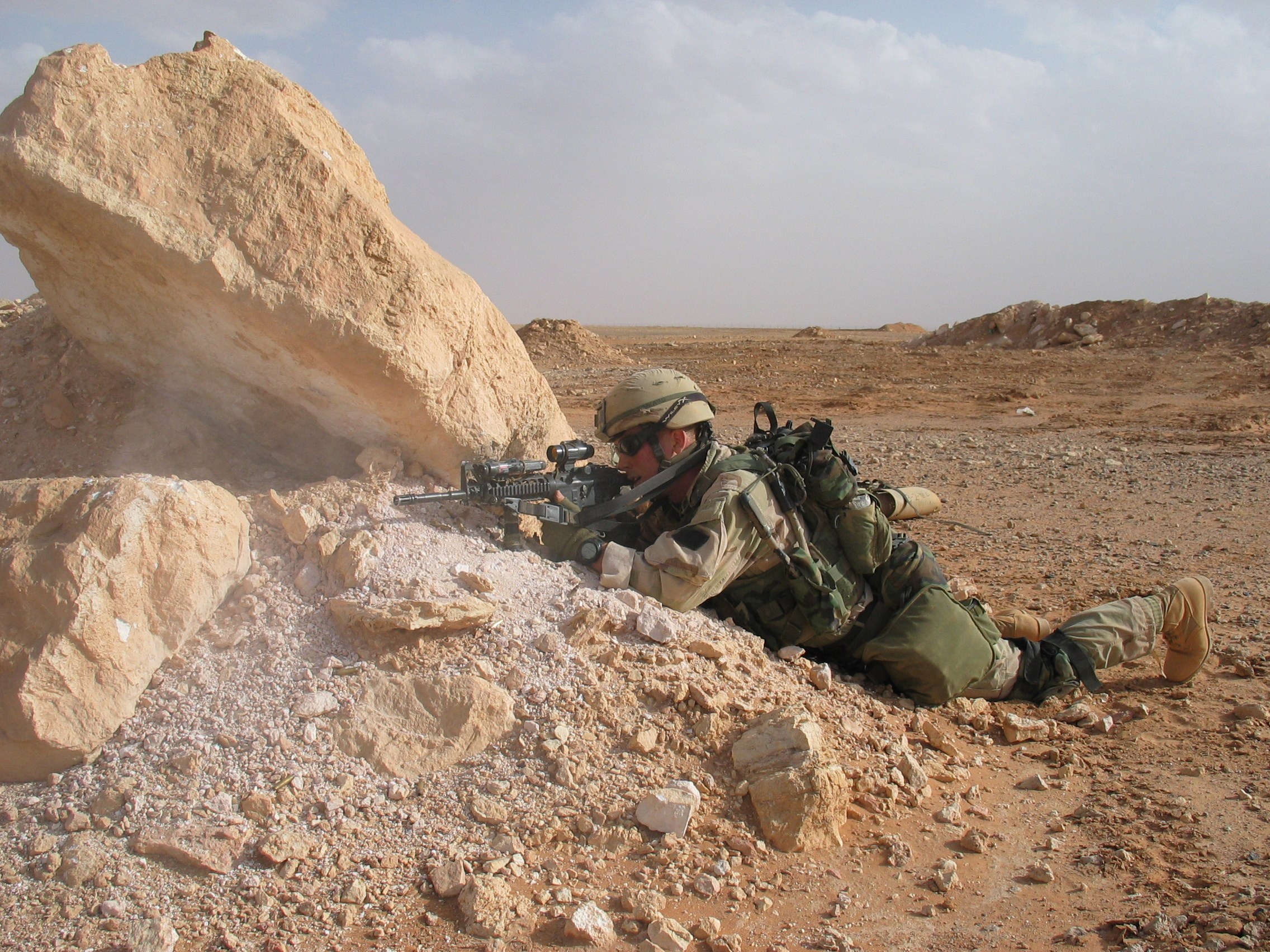
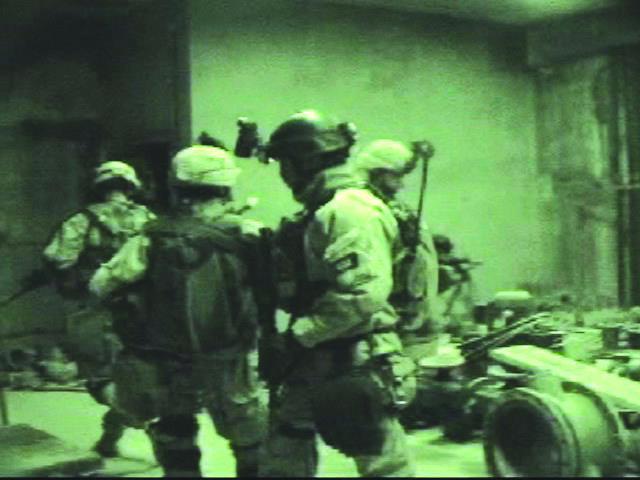
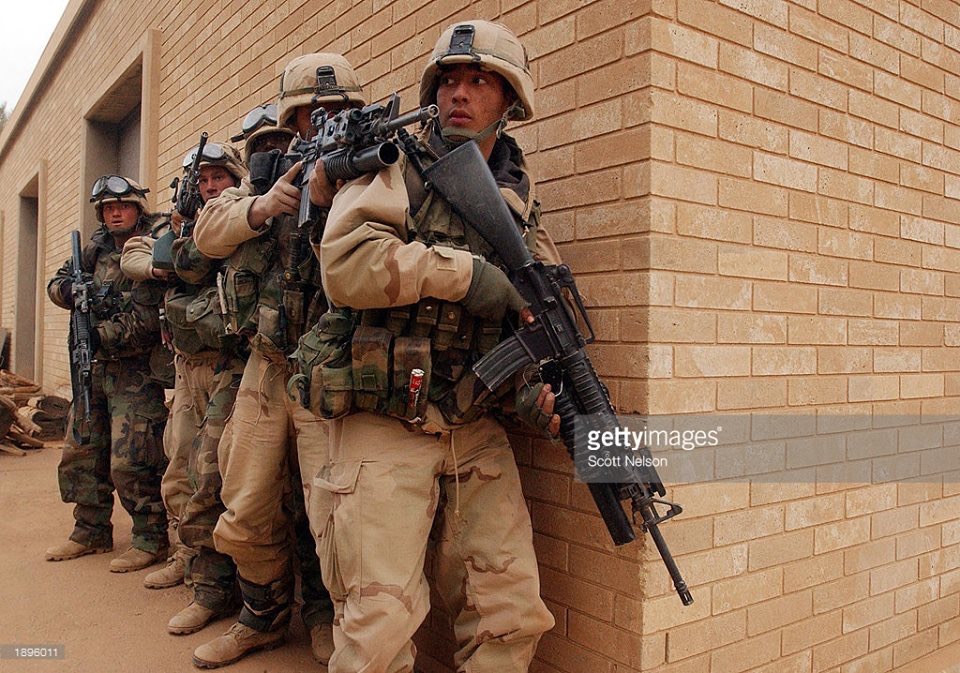
The PBPV has seen action from the Kosovo war, up to early Global War on Terror. PBPV saw limited uses in Afghanistan and Iraq, however, it notably saw action in Operation Enduring Freedom-Philippines when the 1st Special Forces Group (SFG) deployed to Philippines on January 2002 under the umbrella of Global War on Terror. The Special Forces troops assisted the Philippine forces by providing them Counter-Terrorism training and supported their operations against Al Qaeda afflicted terror groups; while did humanitarian missions. PBPV was seen worn by 1st SFG’s CIF company on that deployment.
The body armor in the collection is rather unique; it has been modified by operator. The cummerbund was cut off and buckles were added in its place for convenience and ease of use. Additionally, two buckles were added on top chest to accommodate the chest rig made by AWS, inc. (I don’t own one but actively hunting for one). The such modification was typically associated with CIF companies.
(Comment to airsofters and impressionists: Just because there are modified examples, it doesn’t mean you should cut up and modify the original PBPV cummerbund! Those are rare enough already.)














 GWOT museum